

Sepsis is a life-threatening condition that occurs when the body’s immune system overreacts to an infection. Instead of simply fighting off harmful bacteria or viruses, the immune response spirals out of control, leading to widespread inflammation, tissue damage, and potential organ failure. In severe cases, sepsis can be fatal. Despite medical advancements, effective treatments remain limited, making the search for new therapeutic options critical. Scientists continue to explore ways to better manage immune responses, and new research has uncovered an unexpected potential ally: Prozac.
Prozac and Immunity: An Unexpected Connection
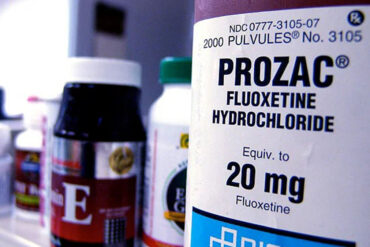
Prozac, also known as fluoxetine, is one of the most widely prescribed antidepressants, belonging to a class of drugs called selective serotonin reuptake inhibitors (SSRIs). While its primary function is to regulate mood by increasing serotonin levels in the brain, recent research from the Salk Institute suggests that Prozac may also play a powerful role in modulating the immune system. This discovery could pave the way for repurposing the drug to combat infections and sepsis.
Professor Janelle Ayres, holder of the Salk Institute Legacy Chair and Howard Hughes Medical Institute Investigator, explained the significance of this discovery: “Most medications we have in our toolbox kill pathogens, but we were thrilled to find that fluoxetine can protect tissues and organs, too. It’s essentially playing offense and defense, which is ideal, and especially exciting to see in a drug that we already know is safe to use in humans.”
This dual action of Prozac—both preventing infection-induced damage and directly targeting pathogens—sets it apart from traditional antimicrobial treatments.
How Prozac Fights Sepsis
Scientists at the Salk Institute have discovered that Prozac not only helps regulate immune responses but also has antimicrobial properties. When tested in mice with bacterial infections, those pretreated with fluoxetine showed a lower bacterial load, reduced inflammation, and a significantly lower risk of multi-organ damage and death.
A key aspect of Prozac’s effectiveness in fighting sepsis is its ability to increase levels of IL-10, an anti-inflammatory molecule. IL-10 prevents sepsis-induced hypertriglyceridemia, a condition in which excessive fatty triglycerides in the blood impair the heart’s function and contribute to organ failure. By mitigating this inflammatory damage while simultaneously suppressing bacterial growth, Prozac effectively plays both offense and defense against sepsis.
The study’s first author, Robert Gallant, described the impact of this discovery: “Knowing fluoxetine can regulate the immune response, protect the body from infection, and have an antimicrobial effect—all entirely independent from circulating serotonin—is a huge step toward developing new solutions for life-threatening infections and illnesses. It also really goes to show how much more there is to learn about SSRIs.”
Interestingly, the researchers also found that Prozac’s immune-boosting effects were independent of its role in serotonin regulation. Even in mice without circulating serotonin, fluoxetine still provided protection against infection. This suggests that its antimicrobial and anti-inflammatory benefits come from a completely different mechanism than its mood-regulating effects.
When Could This Be Used in Humans?
Given Prozac’s long-standing safety profile in humans, these findings bring it closer to potential clinical trials for treating sepsis and other infections. Researchers are now focusing on determining the most effective dosing regimens and exploring whether other SSRIs share similar immune-modulating properties.
If successful, fluoxetine could be repurposed as a dual-action drug that not only treats depression but also helps fight infections. This could be especially useful in critical care settings where sepsis remains a leading cause of death. Additionally, its potential role in reducing severe COVID-19 symptoms and other inflammatory conditions highlights the broader implications of this groundbreaking research.
Ayres elaborated on the significance of the discovery: “Fluoxetine, one of the most prescribed drugs in the United States, is promoting cooperation between host and pathogen to defend against infection-induced disease and mortality. Finding dual protective and defensive effects in a repurposed drug is really exciting.”
The Future of Antidepressants in Medicine
The idea that an antidepressant could double as an infection-fighting drug challenges conventional thinking about how medications work. Prozac’s ability to regulate the immune system while also targeting harmful bacteria opens new doors for medical science.
While more research is needed before Prozac can be widely used as a treatment for sepsis, these findings mark a significant step toward innovative, repurposed drug therapies. With its well-established safety profile and newly discovered antimicrobial properties, fluoxetine may soon offer hope to sepsis patients and revolutionize our approach to infection management. The research team continues to explore the potential of fluoxetine and other SSRIs, hoping to develop new life-saving treatments that take advantage of these unexpected immune-boosting properties.