

Blood pressure is one of the most important indicators of your overall health, yet many people don’t fully understand what the numbers mean or why they matter. High blood pressure is common, especially as we age, and it can lead to serious health problems if left untreated. Fortunately, with the right knowledge and care, it can be managed or even prevented.
What Do Blood Pressure Numbers Mean?
Blood pressure is measured with two numbers. The first is systolic pressure, which tells you how much pressure your blood is exerting against artery walls when the heart beats. The second is diastolic pressure, which measures that pressure when the heart is resting between beats.
A normal reading is less than 120/80 mmHg. That means the systolic is under 120 and the diastolic is under 80.
Here are the general categories used to understand blood pressure levels:
- Normal: Less than 120/80
- Elevated: 120–129 systolic and less than 80 diastolic
- Stage 1 Hypertension: 130–139 systolic or 80–89 diastolic
- Stage 2 Hypertension: 140 or higher systolic or 90 or higher diastolic
- Hypertensive Crisis: Over 180 systolic and/or over 120 diastolic (seek immediate medical help)
Even slightly elevated blood pressure can increase your risk for heart disease and stroke, which is why monitoring and managing it is so important.

What Is the Optimal Blood Pressure?
Although doctors often use 120/80 as a guideline, research shows that the lowest risk of cardiovascular disease is at even lower levels—around 115/75. However, these ideal numbers are not common, especially in Western countries.
Treatments for high blood pressure usually aim to bring it under 140/90, though for certain people—like those with diabetes, kidney disease, or a history of stroke—lower targets may be beneficial.
What Causes High Blood Pressure?
There are many reasons why someone might develop high blood pressure. Some of the most common factors include:
- Age: Arteries naturally become stiffer over time, raising pressure levels.
- Genetics: A family history of hypertension increases your risk.
- Poor diet: High sodium and low potassium intake can drive up blood pressure.
- Lack of exercise: Physical inactivity contributes to weight gain and higher pressure.
- Obesity: More body mass requires more blood to supply oxygen, increasing the workload on your heart.
- Stress: Long-term stress and the hormones it produces can cause spikes in pressure.
- Smoking and alcohol: Both raise blood pressure in different ways.
- Sleep issues: Poor sleep quality or conditions like sleep apnea are linked to high pressure.
In some cases, anxiety, loneliness, or even discrimination can lead to chronic stress, which over time may raise blood pressure levels.
How Blood Pressure Changes with Age
As people get older, their blood vessels become less elastic. This makes it harder for the heart to pump blood effectively, which raises blood pressure.
The systolic (top) number tends to rise more than the diastolic (bottom) number with age. For example, someone who had a blood pressure of 120/72 in their 30s might see that rise to 140/72 by their 60s.
Almost three out of four adults over 60 have high blood pressure. However, that doesn’t mean it’s unavoidable. Taking steps to maintain a healthy lifestyle can help prevent your numbers from climbing.
The Risks of Uncontrolled Blood Pressure
High blood pressure is often called the “silent killer” because it usually doesn’t cause noticeable symptoms until serious damage has already occurred. Long-term high pressure can lead to:
- Heart attack or heart failure
- Stroke
- Kidney disease
- Vascular dementia
On the flip side, very low blood pressure—usually under 90/60—can also be dangerous, especially in older adults. It can reduce the amount of oxygen that reaches the brain and organs, leading to dizziness, confusion, or fainting.
Taking Control of Your Blood Pressure
The good news is that blood pressure is something you can control, even as you age. Here are practical steps you can take:
- Reduce salt: Aim for less than 2,300 milligrams of sodium a day. If you already have high blood pressure, try to stay under 1,500 milligrams.
- Exercise regularly: Aim for 30 minutes of moderate activity like walking or cycling, five days a week.
- Follow a DASH-style diet: Eat more fruits, vegetables, whole grains, and low-fat dairy. This type of diet is rich in potassium and magnesium, which help lower blood pressure naturally.
- Limit alcohol: Even one drink a day can raise your blood pressure.
- Quit smoking: Nicotine causes your blood vessels to narrow and your heart to work harder.
- Sleep well: Poor sleep means your blood pressure doesn’t get a chance to drop overnight.
- Manage stress: Find healthy ways to cope with stress such as mindfulness, therapy, or hobbies.
When Medication Is Needed
Sometimes, lifestyle changes aren’t enough. In those cases, your doctor may prescribe blood pressure medications. There are several types, including diuretics, ACE inhibitors, and calcium channel blockers.
Older adults may need special care when starting medications because they can be more sensitive to side effects. Doctors usually start with low doses and adjust slowly.
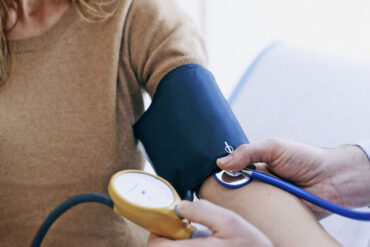
For people who struggle to get to the doctor, newer tools like home blood pressure monitors and remote care programs are making it easier to stay on top of their health.
Know Your Numbers, Protect Your Health
Blood pressure is one of the simplest and most important things you can track to protect your heart, brain, and kidneys. Whether you’re young or old, knowing your numbers and making healthy choices can go a long way in keeping your blood pressure in check.
If you haven’t had your blood pressure checked lately, make an appointment. And if your numbers are high, talk with your doctor about a plan that’s right for you.