

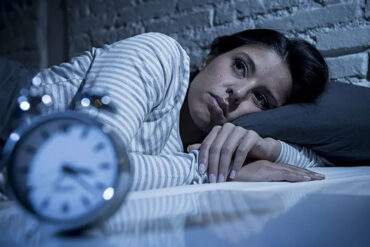
Many people push through the day on just a few hours of rest, thinking they can make up for it later. But experts say this habit can have serious and sometimes deadly consequences. A lack of sleep doesn’t just make you feel tired. It affects your brain, your body, your safety, and your long-term health. And the warning signs are often ignored until it’s too late.
When Tiredness Signals Trouble
Yawning in the middle of the day, reaching for a third cup of coffee, or dozing off in a meeting may seem harmless. But according to the American Academy of Sleep Medicine (AASM), these signs may point to a more serious issue. Dr. Eric Olson, president of the AASM and a pulmonologist at the Mayo Clinic, says, “Sleepiness is a serious health concern with wide-reaching consequences. From drowsy driving crashes to workplace errors and long-term health risks, the effects of excessive daytime sleepiness impact individuals and society every day.”
A new position paper from the AASM, supported by 25 other medical organizations, says that a lack of sleep should be treated as a public health issue. These organizations include the American Academy of Neurology, the National Safety Council, and the American Academy of Family Physicians.
Kristen Knutson, a sleep specialist and associate professor at Northwestern University’s Feinberg School of Medicine, explains that many people overlook what their bodies are telling them. “Nodding off in boring meetings is an indication of insufficient sleep. Someone who is fully rested will not fall asleep in meetings, no matter how boring the meeting is,” she said. If someone finds themselves falling asleep during quiet moments in the day, she advises they “discuss this with their physician.”
How Your Brain Fights and Fails Without Rest
When the brain doesn’t get the rest it needs, it starts to fail — sometimes in ways that people don’t even notice. Dr. Indira Gurubhagavatula, a professor of sleep medicine at Penn Medicine and a board member of the AASM, says one of the biggest dangers is that people lose the ability to accurately judge how tired they really are. “The unfortunate thing is data shows that with chronic partial sleep deprivation, the ability to perceive our own level of impairment is no longer accurate. We think we’re OK when we’re really not,” she explained.
She describes what happens in the brain during long periods of tiredness. “Your brain is actually going into brief two-second, three-second, 10-second microsleeps and then popping back out, and you may not even realize this is happening,” she said. These brief lapses in awareness are dangerous, especially when a person is driving or working with machinery. “If you do feel like you might fall asleep, pay attention to that, as it’s an indication it’s not safe to drive.”
According to U.S. government data, around 100,000 motor vehicle accidents each year are linked to drowsy driving. Many of these crashes result in serious injuries or fatalities.
Physical and Mental Effects
Missing sleep doesn’t just leave you foggy-headed. It impacts nearly every system in the body. A chronic lack of sleep has been linked to serious health problems such as diabetes, high blood pressure, heart disease, kidney disease, and stroke. The National Institutes of Health also warns that it can lead to weight gain and make it harder for the body to process insulin. Mental health is also at risk. Experts have found links between tiredness and depression, anxiety, and even suicidal thoughts.
People suffering from constant tiredness may also struggle with mood swings, lack of motivation, difficulty focusing, grogginess, and irritability. Dr. Gurubhagavatula adds that in more extreme cases, people can experience slurred speech, confusion, hand tremors, and even vertigo. “Some people even notice the room spinning, or feel reckless and impulsive, like they don’t care. That’s another symptom,” she said.
Warning Signs You Shouldn’t Ignore
How can someone know if their sleep habits are putting them at risk? The Epworth Sleepiness Scale is a tool used by doctors to measure how likely someone is to fall asleep in certain situations. It asks how often someone might nod off while reading, watching television, riding in a car, sitting quietly, or lying down in the afternoon. Scores above 10 are considered significant.
A constant need to nap, trouble getting out of bed in the morning, sluggishness, or poor performance at work or school are all signs that a person may not be getting enough rest. “With one-third of U.S. adults reporting they experience excessive sleepiness, the importance of identifying interventions that recognize, assess, and treat it cannot be understated,” said Dr. Olson.
While many people suffer from lack of rest due to busy schedules, other causes might be harder to spot. Medical conditions like insomnia, sleep apnea, restless leg syndrome, and circadian rhythm disorders can interfere with healthy sleep patterns. Pain, certain medications, and mental health conditions can also play a role.
Lifestyle habits make a big difference too. Using caffeine late in the day, drinking alcohol before bed, or relying on marijuana can all interfere with the quality of sleep. Dr. Gurubhagavatula says, “Things like too much caffeine, alcohol use before bed, using marijuana, the amount of exercise you’re doing, and practicing poor sleep hygiene — such as sleeping in a bright, cold, hot, or noisy bedroom — will definitely affect how your sleep will be organized and how refreshing it’s going to be.”
She adds that alcohol might help people fall asleep, but it can actually wake them in the middle of the night once it is metabolized. “I have patients that are very surprised how much better their sleep is when they get rid of that one drink they have with dinner.”
Marijuana use before bed can also backfire. “We know it actually has unwanted side effects on sleep. The efficiency of your sleep decreases, and how tired you feel the next day increases, so sleep quality actually starts to go down,” she said.
Extreme Cases Show the Risk
Some people have taken a lack of sleep to extremes, with dangerous results. One 19-year-old YouTuber named Norme tried to go without sleep for over 250 hours while live-streaming the attempt. Viewers became concerned for his safety, and experts were alarmed. Although he claimed to have broken a record, his effort did not beat the official Guinness World Record. In fact, Guinness no longer tracks this record because it is too dangerous.
Going without sleep for just 24 hours causes impairments equal to or worse than being legally drunk. After two days, people can start having memory lapses, confusion, and severe behavioral changes. By the fourth day, some people experience hallucinations or symptoms of psychosis.
Even if someone manages to recover after one good night of sleep, many of the negative effects on the body can linger. Some studies show that even short periods of sleep loss can lead to lasting problems like reduced insulin sensitivity and slower metabolism. For people who work overnight shifts, this ongoing lack of rest has been linked to a higher risk of early death.
Getting Back on Track
The best solution to all these dangers is simple. Make sleep a priority. Experts recommend seven to nine hours of restful sleep each night. Avoid using electronics before bed. Cut back on alcohol and caffeine. Create a quiet, comfortable sleeping space. And if tiredness continues, talk to a doctor to see whether there may be a medical issue behind it.
As Dr. Olson puts it, “We’ve reached a critical point where the health care system must prioritize the evaluation and management of sleepiness to help patients achieve restorative sleep and maintain daytime alertness.”
A good night’s sleep is not a luxury. It is a basic need — and one that protects your health, your brain, and even your life.