


What is Epigenetic Reprogramming?
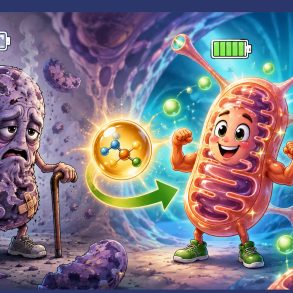
Epigenetic reprogramming is the process of resetting the biological state of a cell by changing its epigenetic markers. These are chemical tags that sit on top of DNA and determine which genes are turned on or off. Unlike genetic mutations, these changes are reversible, making them a promising tool in the search for cures to age-related diseases and a longer, healthier life.
The concept gained worldwide attention after the Nobel Prize-winning discovery by Shinya Yamanaka and Kazutoshi Takahashi, who showed that adult cells could be reprogrammed into pluripotent stem cells using four key proteins: Oct4, Sox2, Klf4, and c-Myc. These are now known as the OSKM factors.
How Epigenetics Affects Aging
As we age, the epigenetic patterns in our cells become increasingly disorganized. DNA methylation and histone modifications, which help regulate gene activity, begin to drift. This leads to faulty cell function and increased risk of diseases like cancer, Alzheimer’s, and diabetes. One important tool researchers use to track these changes is the “epigenetic clock,” which estimates biological age by measuring DNA methylation.
According to Dr. Steve Horvath, who developed one of the most accurate epigenetic clocks, “The patterns of DNA methylation offer one of the most reliable biomarkers of aging across many tissues.”
Breakthroughs in Reversing Aging
Several major studies have shown that partial epigenetic reprogramming can reverse signs of aging without erasing a cell’s identity. A research team led by Dr. Juan Carlos Izpisua Belmonte demonstrated that mice with symptoms of premature aging lived longer and regained function in their muscles and pancreas when treated with intermittent doses of OSKM factors.
In another study, researchers from Harvard used the same approach in mice to restore vision by reprogramming aged retinal cells. The results showed not only a return of function but also a reversal of age-related DNA methylation, suggesting that the process had truly rejuvenated the cells.
Perhaps most exciting is the discovery by Dr. David Sinclair’s group at Harvard, which identified chemical cocktails capable of reprogramming human cells without genetic engineering. These mixtures could reverse aging in human cells within just a few days, making the dream of safe, non-invasive reprogramming closer to reality.
Applications Beyond Aging
The potential uses of epigenetic reprogramming go far beyond anti-aging. In the field of cancer, researchers have shown that reprogramming can shut off tumor-promoting genes and reactivate those that suppress tumors. In gastrointestinal cancers like stomach, liver, and colon cancer, abnormal DNA methylation and histone modifications are common, and targeting them offers new possibilities for treatment.
One study even used engineered exosomes—tiny delivery packets from young cells—to carry OSK factors into aging spinal disc cells in rats. The treated rats showed near-complete recovery from disc injury and inflammation, suggesting powerful benefits for conditions like chronic back pain.
The First Human Trials Are Coming
After years of research in animals, human clinical trials are finally beginning. Life Biosciences, co-founded by Dr. Sinclair, is preparing to test a therapy called ER-100, which delivers OSK factors to the eye using gene therapy. The company plans to treat glaucoma and a rare eye disease called NAION. Michael Ringel, the company’s new COO, said, “We have a lot of confidence that our odds are very good,” citing strong results in nonhuman primates.
The therapy is designed to be switchable, meaning it only activates in the body when a person takes doxycycline. This safety feature helps reduce the risk of unwanted effects, such as tumor formation or cells losing their original identity.
Overcoming Ethical and Technical Hurdles
Despite the progress, epigenetic reprogramming still faces major challenges. One key concern is safety. Using OSKM factors for too long can cause cells to revert to a stem cell-like state, which might lead to cancer. Researchers are working on methods to fine-tune this process so it rejuvenates cells without wiping out their specialized functions.
There are also ethical questions. If reprogramming becomes available, will it be affordable for everyone, or only the wealthy? And what are the risks if reprogrammed cells pass on changes to future generations?
On the technical side, delivering reprogramming factors to specific tissues without using viruses remains a major obstacle. Scientists are experimenting with newer technologies, such as lipid nanoparticles, mRNA, and small molecule drugs that mimic the effect of OSKM proteins without altering the genome.
Commercial Race to Longevity
With aging now seen as a modifiable condition, biotech companies are racing to lead the next generation of treatments. Altos Labs, Rejuvenate Bio, and Life Biosciences have attracted billions in funding and are building platforms that use gene therapy, reprogramming molecules, and synthetic biology to extend healthy human life.
Rejuvenate Bio is developing gene therapies for heart disease using reprogramming factors, while Altos Labs is investing in research centers to refine partial reprogramming techniques for broader use.
These companies are not just chasing the dream of longer life but are aiming to tackle diseases that affect millions today. If successful, epigenetic reprogramming could reshape how medicine approaches conditions like blindness, arthritis, cancer, and more.
A Glimpse Into the Future
Epigenetic reprogramming may soon become a major part of personalized medicine. Scientists envision a future where a person’s biological age is tracked and reversed with custom treatments that target the root causes of aging at the cellular level. Therapies might include combinations of reprogramming molecules, anti-inflammatory drugs, and cell-cleaning agents known as senolytics.
Chemical-based reprogramming is especially promising because it avoids genetic risks and could be made into pills or injections. As Dr. Sinclair’s team showed, six carefully chosen molecules could reverse the biological age of human cells in just days.
The next few years will be critical. With clinical trials starting and more discoveries emerging, the age of epigenetic medicine is just beginning. If the technology lives up to its promise, we may soon be able to slow, stop, or even reverse parts of the aging process—and treat diseases once thought to be untouchable.