

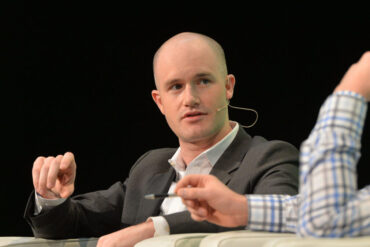
A bold new effort to slow down or even reverse aging is gaining traction with Silicon Valley investors, as NewLimit, a biotech startup co-founded by Coinbase CEO Brian Armstrong, has just raised $130 million to further its work in age-reversing treatments.
This latest round of funding was led by Kleiner Perkins and included investments from Khosla Ventures, Founders Fund, Dimension Capital, and a host of prominent angel investors such as Elad Gil, Patrick Collison, and Garry Tan. It marks a major milestone in NewLimit’s mission to reprogram human cells and extend both health span and lifespan.
What is NewLimit?
NewLimit was launched over four years ago by Armstrong, alongside geneticist and former GV partner Blake Byers and stem cell expert Jacob Kimmel. The company is focused on the field of epigenetic reprogramming, a cutting-edge science that seeks to turn back the clock on aging by restoring cells to a more youthful state.
Armstrong, who sold 2% of his Coinbase stock to help fund the startup, says the company’s mission is to help people live longer, healthier lives by manipulating how genes are expressed, rather than changing the DNA sequence itself. “The moonshot for this company would be a drug to restore dozens of cell types,” Armstrong told Fortune, noting that the opportunity could be worth trillions if successful.
How Do the Treatments Work?
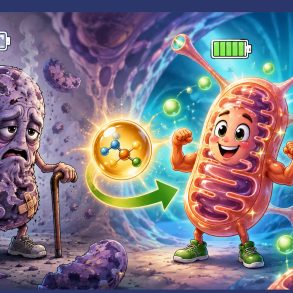
NewLimit’s work focuses on epigenetic reprogramming—a process of modifying how cells read their DNA without altering the underlying genetic code. The team has been developing medicines that aim to return aged cells to a youthful state by “flipping the right switches” in the genome. According to Jacob Kimmel, the company has already discovered three prototype drugs that rejuvenate liver cells.
“These treated liver cells regain their ability to process fat and alcohol—functions they typically lose with age,” said Kimmel in an interview with TechCrunch. To measure progress, NewLimit compares how young and old cells respond to stressors. When an aged cell responds more like a young one after treatment, that’s a sign of success.
The company uses artificial intelligence to accelerate drug discovery. It builds models that simulate thousands of potential drug responses, then tests the most promising ones in the lab. This feedback loop, called “lab in a loop,” helps NewLimit refine its approach rapidly and cost-effectively.
Who’s Funding the Anti-Aging Moonshot?
The $130 million Series B round builds on a $40 million Series A raised two years ago. Kleiner Perkins led the new round, with participation from investors like Nat Friedman, Daniel Gross, and Human Capital, as well as returning supporters including Founders Fund and Khosla Ventures. Individual backers include high-profile tech founders and investors such as John and Patrick Collison, Joshua Kushner, Joe Lonsdale, and Fred Ehrsam.
Investor Ilya Fushman of Kleiner Perkins said, “Pushing the boundaries of human life span and health span is an incredibly ambitious goal and has the potential to improve the lives of everyone on the planet.”
When Will Treatments Be Available?
NewLimit is still in the early stages. The company hopes to begin testing its therapies on nonhuman primates within the next year or two. Human trials could begin as early as 2028. While that may seem distant, it is considered fast by the standards of medical research and regulation.
The team is targeting a dozen different tissue types and will soon decide which ones show the most promise. Armstrong says that their eventual goal is to develop a drug or combination of drugs that can reverse aging across multiple systems in the body.
A Growing Field of Anti-Aging Startups
NewLimit is not alone in the race to combat aging. Retro Biosciences, backed by OpenAI CEO Sam Altman, raised $180 million and is reportedly seeking $1 billion more. Altos Labs, which launched with $3 billion in 2022 and has support from Jeff Bezos, is also exploring ways to extend human lifespan using cellular reprogramming.
All of these companies are responding to a plateau in global life expectancy, which has stagnated or declined in recent years. They believe that aging itself can be treated like a disease—something that can be managed, delayed, or even reversed.
What Are the Prospects for Age-Reversing Medicine?
If companies like NewLimit succeed, it could transform global healthcare. Chronic illnesses that come with aging—such as heart disease, liver failure, and immune decline—could be prevented or postponed. Millions could live longer, more productive lives.
“We’re focused on building the health and medical infrastructure to extend human lives,” Armstrong said.
For now, the company remains focused on one ambitious goal: making age a treatable condition.