

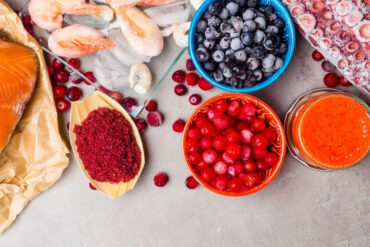
Astaxanthin is a bright red pigment found in salmon, krill, and shrimp that’s quickly becoming one of the most talked-about supplements in anti-aging science. Known for its powerful antioxidant properties and ability to protect the brain, heart, skin, and even fertility, astaxanthin has recently caught more attention after a government-funded study showed it could actually extend lifespan—at least in mice.
What Is Astaxanthin and Why Is It Special?
Astaxanthin is a carotenoid, similar to beta-carotene, but with far stronger antioxidant properties. It gives wild salmon their color and helps them endure extreme physical stress. It’s produced naturally by microalgae like Haematococcus pluvialis and accumulates in marine animals that eat it. In humans, it’s being studied for a range of health effects including cognitive protection, heart health, improved skin resilience, and longevity.
Unlike many other antioxidants, astaxanthin can cross the blood-brain barrier, giving it direct access to protect neurons from inflammation and oxidative damage. Researchers have shown that astaxanthin not only reduces oxidative stress but also supports autophagy—the cellular process that clears out damaged parts—and activates AMPK, a metabolic pathway associated with energy balance and lifespan extension.
The Interventions Testing Program: Who’s Behind the Research?
The life-extension potential of astaxanthin was recently confirmed in a major study by the Interventions Testing Program (ITP), a long-running research effort funded by the U.S. National Institute on Aging (NIA), part of the National Institutes of Health (NIH). The ITP is widely regarded as the most rigorous and trustworthy testing framework for anti-aging interventions in mammals.
Instead of testing on inbred lab mice, the ITP uses genetically diverse mice called UM-HET3, which better model the variability found in human populations. All compounds are tested across three independent sites—the University of Michigan, The Jackson Laboratory, and the University of Texas Health Science Center at San Antonio—to eliminate bias and ensure reproducibility.
Only a handful of compounds have ever produced statistically significant increases in lifespan in ITP trials. Astaxanthin is now one of them.
Extending Lifespan: The Astaxanthin ITP Results
In the study, male mice started receiving astaxanthin at 12 months of age (roughly equivalent to middle age in humans). Even though the mice received only about 46% of the intended dosage, they still showed a 12% increase in median lifespan. This result was statistically significant with p = 0.003, meaning it is extremely unlikely to be due to chance.
Importantly, the effect was seen across all three test sites, confirming the result wasn’t a fluke. Female mice, however, did not show a significant lifespan extension at this dosage. Researchers suspect that different dosing might be required for females and are planning additional studies.
The version of astaxanthin used in the trial was a synthetic, highly bioavailable form. Still, the result adds credibility to what smaller, scattered studies and anecdotal reports have hinted at for years: astaxanthin may activate key biological pathways that promote longevity.
Protecting the Brain and Enhancing Memory
Multiple studies have shown that astaxanthin improves memory and learning. In one model of brain injury, mice treated with astaxanthin had less neuronal damage and more healthy hippocampal cells. Astaxanthin also boosted the levels of proteins like BDNF and MAP-2 that help repair and regenerate brain tissue.
It’s been shown to reduce the harmful effects of oxidative stress, protect neurons from inflammation, and may help prevent neurodegenerative diseases like Alzheimer’s and Parkinson’s. Because it crosses the blood-brain barrier, it can reach the parts of the brain that many other compounds cannot.
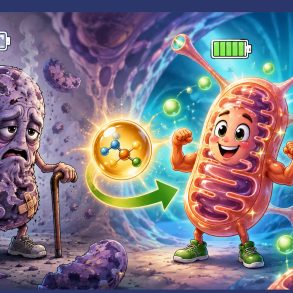
In aging models, astaxanthin helps maintain mitochondrial health, supports memory, and reduces the buildup of toxic proteins and free radicals that are hallmarks of cognitive decline.
Cardiovascular, Skin, and Fertility Benefits
Astaxanthin supports heart health by:
- Lowering oxidative stress
- Improving blood lipid profiles
- Enhancing circulation
- Reducing inflammation in cardiac tissue
In the skin, it has been shown to protect against UV damage, reduce dryness, and improve elasticity and moisture retention. Clinical studies in humans have reported that astaxanthin supplementation increases resistance to UV-induced sunburn and skin deterioration.
On the fertility front, astaxanthin may improve egg quality in women and sperm quality in men. It has also been associated with increased testosterone levels, especially when taken with saw palmetto, and may reduce levels of DHT, a hormone linked to hair loss and prostate issues.
The Cellular Mechanisms That Make It Work
Astaxanthin’s wide range of benefits comes down to its interaction with several key biological systems:
- Antioxidant Defense: Astaxanthin neutralizes reactive oxygen species (ROS), protecting DNA, proteins, and cell membranes from damage.
- AMPK Activation: AMPK is a metabolic switch that promotes energy efficiency, fat burning, and stress resistance. Astaxanthin activates AMPK, which is associated with longer lifespan in many organisms.
- Autophagy Support: Autophagy is the body’s way of clearing out damaged cells and recycling components. Astaxanthin promotes this cleanup process, which is vital for healthy aging.
- Anti-inflammatory Signaling: It reduces pro-inflammatory markers like TNF-alpha, IL-6, and NF-kB, which are associated with nearly every chronic disease.
These mechanisms make astaxanthin one of the few supplements that acts at multiple points in the aging process—not just one symptom or pathway.
Where to Get It and What It Costs
Astaxanthin is available over the counter in softgel, powder, and liquid form. The most effective type is natural astaxanthin extracted from Haematococcus pluvialis, though it is more expensive than synthetic versions.
Typical doses range from 4 to 12 mg per day, though some longevity-focused users take up to 48 mg daily. Prices range from $20 to $50 per bottle depending on brand, source, and potency.
You can also consume it through diet by eating wild-caught salmon, krill, and trout. However, commercial krill oil often has the astaxanthin removed before packaging, so it may not provide the same benefit.
Biohackers and supplement enthusiasts have long praised astaxanthin for its perceived effects on energy, focus, skin health, and recovery after exercise. Some report improved vision, endurance, or simply “feeling younger.”
“I’ve taken it for years and it’s one of the few things I never stopped,” said longevity blogger Nils Osmar, who credits it as a factor in keeping his biological age 14 years younger than his chronological age.
Researchers are also intrigued. “Astaxanthin shows promise because it can cross the blood-brain barrier and act on multiple systems simultaneously,” wrote scientists in a 2023 review of neuroprotective compounds. “Its combination of antioxidant and anti-inflammatory activity is among the most potent in nature.”
While more human studies are needed to determine exact lifespan benefits in people, the data from the ITP study and numerous clinical trials suggest that astaxanthin is much more than just a fish pigment. It’s a multi-target supplement with the potential to support healthy aging, brain function, and cellular vitality.
If future research continues to validate its effects, astaxanthin might become a staple not just for athletes or skin-care fans—but for anyone looking to live longer, better, and brighter.