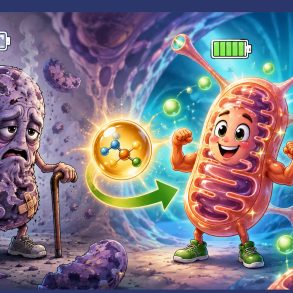



A groundbreaking discovery from researchers at the University of Texas at Arlington has uncovered a molecular “off switch” that could help millions of people control cholesterol and prevent life-threatening diseases. This promising finding zeroes in on an enzyme that derails the body’s cholesterol-processing machinery during inflammation and opens the door to therapies that might finally keep cholesterol in check.
The Enzyme Behind Cholesterol Chaos
Led by Professor Subhrangsu S. Mandal, the UT Arlington team has identified the enzyme indoleamine-2,3-dioxygenase 1, known as IDO1, as a main culprit in cholesterol disruption. When the body experiences inflammation — whether from stress, infection, or injury — IDO1 flips on and produces a substance called kynurenine. This molecule interferes with macrophages, specialized immune cells that normally absorb cholesterol and keep arteries clear.
During chronic inflammation, macrophages lose their ability to handle cholesterol, which can lead to clogged arteries, heart disease, diabetes, cancer, and dementia. By blocking IDO1, the researchers discovered they could effectively restore the cholesterol-clearing powers of these cells.
“Our study shows that by turning off IDO1, macrophages regain their normal function,” Mandal said. “This could be the key to stopping inflammation from fueling cholesterol buildup and triggering disease.”
The research team didn’t stop at IDO1. They also found that nitric oxide synthase, or NOS, works alongside IDO1 to make the cholesterol problem worse. NOS further amplifies the harmful effects of inflammation on macrophages. Targeting both enzymes together could become a powerful strategy to prevent cholesterol-driven diseases before they start.
“These findings are important because we know too much cholesterol in macrophages can lead directly to heart disease and a range of other serious illnesses,” Mandal explained. “If we can safely block these enzymes, we could finally have a way to tackle the root causes of chronic disease.”
The implications of this research are enormous. For decades, doctors have relied on statins and lifestyle changes to reduce cholesterol levels, but those treatments don’t always work, especially in patients with persistent inflammation. This enzyme-blocking approach promises a completely different way to protect heart health by restoring the body’s own cholesterol-processing system.
Experts in the field are already calling the discovery a potential game-changer. By understanding the exact mechanisms that cause cholesterol to spiral out of control, scientists can develop drugs that work at the source rather than simply managing symptoms.
“This could transform how we prevent and treat cardiovascular disease,” Mandal said. “It’s about resetting the body’s ability to do what it’s supposed to do — clear out cholesterol and keep arteries healthy.”
The UT Arlington team is now planning further studies to understand exactly how IDO1 and NOS interact with other enzymes and pathways linked to cholesterol. If researchers can pinpoint safe ways to block these enzymes in humans, the strategy could become part of a new generation of therapies for heart disease, diabetes, and cancer.
For millions of patients struggling with high cholesterol and inflammation, this discovery offers hope that science may soon deliver more effective and lasting solutions.