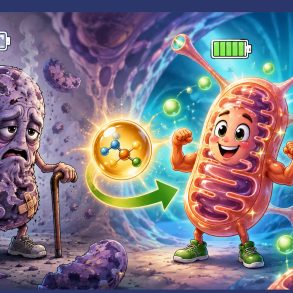



Scientists in Beijing report that genetically engineered human stem cells slowed multiple signs of aging in cynomolgus monkeys. A news summary put it plainly: “Scientists have demonstrated that genetically engineered human stem cells can slow the signs of aging in monkeys, offering hope for future therapies targeting age-related decline in humans.” The peer-reviewed study in Cell calls this “initial evidence that genetically modified human mesenchymal progenitors can slow primate aging,” positioning the work as a foundation for future regenerative treatments.
In plain terms, the treatment made older monkeys biologically younger. The animals that received the engineered stem cells showed stronger memory, healthier brains, sturdier bones, and even improved reproductive health. Tests of blood, organs, and DNA suggested their tissues were two to five years younger than untreated monkeys, showing that aging itself had been slowed rather than just specific diseases.
The project was led by Guang-Hui Liu, Jing Qu, and Si Wang, with first author Jinghui Lei, at institutes within the Chinese Academy of Sciences and clinical partners in China. The authors wrote that their goal was to “chart a translational medicine roadmap for future human aging interventions,” using a primate model to test safety, dosing, and whole-body effects.
What Improved and By How Much
Cognition and Brain Structure. In a Wisconsin General Test Apparatus delay task, the SRC group “exhibited a higher accuracy in retrieving food after a 3-s delay” versus controls. MRI showed that SRCs “effectively preserved cortical thickness” and increased cortical volume in frontal and parietal lobes, with restoration in 17 of 88 thickness regions and 9 of 88 volume regions. Diffusion MRI and functional analyses indicated better structural connectivity and “enhanced degree centrality in the aged hippocampus.” Histology showed thicker myelin and higher myelin basic protein, supporting better nerve conduction.
Blood and Inflammation. Single-cell RNA-seq of blood showed SRCs reversed “nearly 38.8% of upregulated aging DEGs and 29.7% of downregulated aging DEGs,” shifting immune programs toward DNA repair and autophagy and away from senescence and SASP. Plasma cytokines IL-6 and TNF-α fell after SRC treatment. The authors concluded that long-term SRC infusion can “rejuvenate PBMCs in aged monkeys.”
Multiple Organs. Whole-genome RNA-seq across ten organ systems found broad rescue of aging pathways. A new “reverse score” showed maximal rejuvenation in hippocampus, frontal lobe, dorsal root ganglion, fallopian tube, and sigmoid colon. Aging pathways such as “senescence, inflammation, apoptosis, fibrosis, and oxidative stress” were suppressed, while regeneration programs like Wnt signaling were activated.
Aging Clocks. Using transcriptomic and DNA methylation aging clocks, the team reported that human MPCs reduced transcript-based biological age, on average, by “3.34 years for SRC and 2.80 years for WTC,” with age deceleration in 54% of SRC-assessed tissues versus 31% for WTC. In shared tissues, rejuvenation was notable in skin (−5.56 years, p = 0.0148), lung (−4.08, p = 0.0002), skeletal muscle (up to −4.91, p = 0.0148), spleen (−2.55, p = 0.0002), and hippocampus (−2.03, p = 0.0104). DNA methylation age reductions mirrored these trends, including brain (−4.98 years, p = 0.00016) and muscle (−4.02, p = 0.01).
Tissue Pathology. SRCs reduced senescent cells across lung, liver, heart, brain, skin, spleen, kidney, and pancreas; restored lamin B1 and H3K9me3; reduced immune infiltration; lowered cGAS activation; and decreased TNF-α, IL-6, IL-1β, and S100A8. There was “increased CD31-positive endothelial cells” and less aortic thickening, fewer protein aggregates, lower oxidative damage, and less pulmonary fibrosis.
Reproductive System. The reproductive system showed some of the strongest effects. SRCs delivered “superior biological age reversal” across uterus, prostate, seminal vesicle, epididymis, and testis. In ovaries, a single-cell aging clock estimated rejuvenation of “4.51 years” with SRCs versus “3.06 years” with WTCs. Oocytes appeared 5.07 years younger by the clock. Markers of inflammation and oxidative stress fell, while antioxidant defenses such as GPX1, GSR, and IDH1 rose. The authors report “preserved germline stem cells with improved spermatogenesis.”
How the Cells Were Engineered
Researchers created senescence-resistant mesenchymal progenitor cells, called SRCs, by enhancing a human longevity gene, FOXO3. They introduced “precise targeted knockin mutations” that replaced two phosphorylation sites of FOXO3, Ser253 and Ser315, with alanine residues, producing FOXO3^2SA/2SA cells. These engineered cells showed “nuclear accumulation of FOXO3,” extended telomeres, reduced senescence markers, lower IL-6 and IL-8, and improved stress resistance to hydrogen peroxide and UV exposure, all without tumorigenic changes in transplantation assays.
Aged monkeys were randomized to control, wild-type MPCs (WTC), or SRCs. Animals received “biweekly infusions for 44 weeks” at a “standard clinical dosage of 2 × 10^6 cells/kg body weight intravenously.” Safety monitoring found “no fever,” no major changes in lymphocytes, neutrophils, or monocytes, no glucose spikes, no weight loss, and “none of the cell transplant recipients developed tumors (n = 16).”
Why Exosomes Matter
The team highlights exosomes as a key delivery mechanism. They note that “SRCs deliver geroprotection through exosomal cargoes.” Proteomics and metabolomics showed that SRC exosomes are enriched for “antioxidants, anti-inflammatory components, and modulators of innate immune responses,” including rejuvenating metabolites such as spermine. In 18-month-old mice, SRC exosomes delayed organ aging by up to 3.77 months in liver and nearly three months in lung, kidney, and skeletal muscle, while reducing senescence markers and inflammatory cytokines. In human cell models prone to aging, SRC exosomes “demonstrated superior geroprotective effects” versus wild-type exosomes, cutting SA-β-Gal activity, p21, and inflammatory signals while improving nuclear stability.
The news report emphasized that the therapy “reduced markers of cellular aging, chronic inflammation, and tissue degeneration without major side effects.” The authors describe this as the “first evidence that engineered human progenitor cells can counter systemic aging in primates.” They also point out the cautious note that this is an “early step,” despite the broad and consistent effects across organs and biomarkers.
Across 44 weeks of repeated intravenous dosing, the team observed “minimal adverse effects” and “no tumors” in treated animals. Still, they list limits. The long-term impact on “clinically relevant functional outcomes, such as fertility,” has not yet been established, and “mechanisms beyond exosomes” may contribute to benefits. Even so, the authors argue that a “primate-tailored, universal geroprotective approach” that blends stem cells with gene editing could be suitable for human testing.
The study frames mesenchymal progenitor cells as shelf-ready, allogeneic candidates with “minimal immunogenicity.” By making these cells resistant to the aged environment through FOXO3 enhancement, the team suggests a path to slow systemic aging, not just single diseases. In their words, the work “highlights the therapeutic potential of regenerative approaches in combating age-related health decline” and “lays a foundation for potential regenerative treatments in people.”
Engineered stem cells that boost FOXO3 reduced biological age across monkey tissues, improved memory and brain structure, calmed inflammation, and rejuvenated reproductive organs, with exosomes acting as powerful messengers. As the news summary concluded, the findings “offer hope for future therapies targeting age-related decline in humans,” provided that safety, durability, and clinical benefit are proven in carefully designed human trials.
HNZ Editor: This is not a substantial decrease, but it is a decrease in an area that has not been explored thoroughly before, Perhaps this new avenue will lead to much more. Or it may be a dead end.