


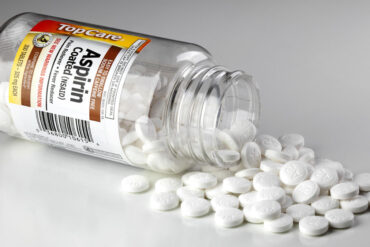
Aspirin, one of the world’s oldest and cheapest medicines, is now being recognized as a powerful tool in the fight against colorectal cancer. A Swedish-led team from Karolinska Institutet and Karolinska University Hospital has found that low-dose aspirin can cut the risk of cancer recurrence in half for certain patients after surgery. Their findings come from the ALASCCA trial, the first large randomized clinical trial to confirm this effect, and were published in The New England Journal of Medicine.
The trial was led by Professor Anna Martling, a senior consultant surgeon at Karolinska University Hospital. Her team worked with 33 hospitals across Sweden, Norway, Denmark, and Finland. Over 3,500 patients with colon and rectal cancer were enrolled in the study, making this one of the largest trials of its kind.
The genetic link
The trial focused on patients whose tumors had specific mutations in the PIK3 signaling pathway, a set of genes that regulate cell growth and division. About 40% of colorectal cancer patients carry these mutations. When these genes are altered, they can drive uncontrolled tumor growth. Previous observational studies hinted that aspirin might lower recurrence risk in these patients, but the evidence had been inconsistent until now.
What the researchers found
Patients with the PIK3 mutation were given either 160 mg of aspirin daily or a placebo for three years after surgery. The results were striking. Those who received aspirin had a 55% lower risk of recurrence compared with those in the placebo group. In other words, aspirin cut the chance of the cancer returning by more than half.
Professor Martling explained the significance: “Aspirin is being tested here in a completely new context as a precision medicine treatment. This is a clear example of how we can use genetic information to personalize treatment and at the same time save both resources and suffering.”
How aspirin works against cancer
While scientists are still studying the details, the researchers believe aspirin works through several mechanisms at once. It reduces inflammation, inhibits platelet function, and slows tumor growth. These combined effects create a less favorable environment for cancer to return and spread. Martling added that while all the molecular connections are not fully understood, the findings strongly support the biological rationale.
Colorectal cancer is diagnosed in nearly two million people worldwide every year. Between 20 and 40% of these patients develop metastases, which makes treatment more difficult and outcomes worse. The possibility of reducing recurrence with a common, inexpensive drug like aspirin could be a major breakthrough.
Aspirin is also widely available and costs a fraction of most modern cancer drugs. As Martling pointed out, “Aspirin is a drug that is readily available globally and extremely inexpensive compared to many modern cancer drugs, which is very positive.”
Dosage and future guidelines
In the trial, patients took 160 mg daily for three years following surgery. This dose is considered a low daily amount and is similar to what is used for cardiovascular protection in some patients. Researchers caution that aspirin should not yet be self-prescribed for cancer prevention, but the findings are likely to influence future treatment guidelines around the world.
The ALASCCA trial provides the strongest evidence to date that aspirin can be used as a precision treatment for colorectal cancer patients with certain genetic profiles. If incorporated into global guidelines, it could become a simple and cost-effective way to prevent thousands of recurrences every year.
The message is clear: a century-old drug may hold one of the most promising keys to reducing the global burden of colorectal cancer.