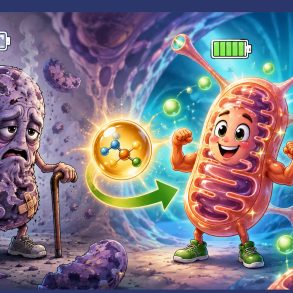



It’s one of life’s persistent mysteries: why do women outlive men by nearly six years in the United States? While some blame risk-taking behavior or the stubborn refusal to see a doctor until an injury “really hurts,” science is pointing to something deeper—a microscopic gender advantage coded in our DNA. The key suspect is a gene called FOXO3, known in longevity circles as the “guardian of aging.”
The Gene That Helps Women Cheat Death
FOXO3 isn’t your average gene. Think of it as the body’s crisis manager—keeping cells alive under stress, repairing DNA damage, and protecting against inflammation. Research published in Nature and other journals has shown that FOXO3 activity is higher in women, a fact that may give them a built-in advantage when it comes to resisting the slow decay of time.
Scientists like Christopher O’Mahony and George Barreto, who study FOXO3’s role in aging and Alzheimer’s disease, have uncovered how estrogen directly influences the gene’s performance. Estrogen acts like a biochemical coach, keeping FOXO3 in shape and ready to fend off cellular stress. Unfortunately for men, they’re running that marathon without a coach—or with one who only shows up occasionally.
Estrogen: Nature’s Anti-Aging Bonus
While men rely on willpower, protein shakes, and the occasional cold plunge to stay young, women are getting molecular help from their hormones. Estrogen activates FOXO3 and its allied pathways, boosting DNA repair and regulating metabolism. This may explain why women’s cells seem more resistant to wear and tear before menopause. Even after estrogen levels decline, FOXO3 appears to retain some of that early conditioning—like a veteran athlete who still moves gracefully long after retirement.
Men, on the other hand, operate with far less estrogen. Their FOXO3 activity is weaker, which means stress, inflammation, and aging hit harder. It’s almost as if nature decided women needed extra protection to ensure survival through childbirth, while men were evolutionary cannon fodder—useful early in life but not necessarily designed for longevity.
The Menopause Twist and Alzheimer’s Puzzle
The story gets even more interesting after menopause. Barreto’s team found that FOXO3 may also influence the risk of Alzheimer’s disease in women. As estrogen declines, FOXO3 becomes less efficient at regulating metabolism in the brain, which may explain why postmenopausal women face a higher incidence of Alzheimer’s.
In men, the problem is flipped—they have lower FOXO3 activity throughout life, leaving them more vulnerable to other killers like heart disease and metabolic disorders. Either way, FOXO3 sits at the crossroads of aging, metabolism, and survival.
Can Men Hack Their FOXO3?
While men can’t borrow estrogen without consequences, research suggests FOXO3 can still be coaxed into better performance through lifestyle choices. Studies show that intense exercise, intermittent fasting, heat exposure from saunas, and even short bouts of cold plunging can activate FOXO3 pathways.
Certain foods also help. Compounds like sulforaphane (from broccoli sprouts), EGCG (from green tea), resveratrol (from grapes), and astaxanthin (from seafood and red algae) mimic some of estrogen’s effects on the gene. So, while women may have biology on their side, men have chemistry—and a chance to even the score if they’re willing to skip the cheeseburger and embrace kale.
A Gene Worth Aging With
The deeper researchers dive into FOXO3, the clearer it becomes that this gene may hold the secret not just to why women live longer, but how everyone might live better. FOXO3 is involved in energy metabolism, inflammation control, stem cell maintenance, and cellular recycling—all the vital housekeeping jobs that slow down as we age.
Future therapies could one day target FOXO3 directly, tuning its activity to delay aging or prevent neurodegenerative diseases. Scientists are already exploring how FOXO3 interacts with other longevity regulators like mTOR and AMPK, with hopes of developing new anti-aging drugs that benefit both sexes.
Until then, men might take comfort knowing the gender gap isn’t entirely their fault—it’s just biology being cheeky. And perhaps, in a poetic twist, living longer might simply require taking a page out of the female playbook: a little more mindfulness, more vegetables, less stress, and yes—maybe even a sauna or two.
After all, if FOXO3 is the gene of longevity, maybe it’s time men finally started listening to it—just as women always said they should.