

When a child begins to show changes in energy, endurance, or comfort during normal activities, it can raise difficult questions for parents. According to experts at the Mayo Clinic, symptoms like fatigue or chest discomfort are often harmless, but in certain cases they may point to an underlying heart condition that deserves closer attention. Understanding what to watch for, how symptoms differ by age, and when to seek medical evaluation can make a critical difference.
The Mayo Clinic is one of the most respected medical institutions in the world, known for its patient-centered care and research-driven recommendations. Its physicians regularly evaluate children for heart concerns and emphasize that while most symptoms are not heart-related, patterns and changes in behavior can reveal when something more serious may be developing. Their guidance is grounded in both clinical experience and long-term observation of pediatric heart conditions.
How Heart Conditions Present in Children
Heart conditions in children are not all the same. Some are congenital, meaning a child is born with them. Others are acquired later, sometimes after illness or infection. There are also genetic conditions that may not show obvious symptoms early but can lead to heart problems over time.
More severe congenital conditions are often identified shortly after birth and may require treatment in the first months of life. However, milder forms may go unnoticed for years. In some cases, they are discovered only when a doctor hears a heart murmur or when symptoms gradually appear.
Because of this wide range, the way a heart condition presents itself can vary greatly depending on the child’s age and the nature of the issue.
Warning Signs in Infants
In infants, the signs are often subtle but important. The Mayo Clinic notes that babies with heart problems may show poor feeding habits or tire easily during feeding. They may not gain weight as expected, breathe rapidly, or produce fewer wet diapers.
Some infants may appear unusually sleepy or have difficulty waking for feeding. These symptoms can appear within the first weeks of life, especially in babies with larger congenital heart defects. Since infants cannot communicate discomfort, these changes in daily patterns are often the only clues. As the Mayo Clinic explains, noticing these shifts early is critical and “should be evaluated promptly.”
Warning Signs in Older Children
As children grow older, the signs often become more noticeable during physical activity. A key concern is when symptoms occur during exercise or when there is a clear change in a child’s ability to keep up with peers.
Chest pain is one of the most common reasons children are referred to a pediatric cardiologist. However, fewer than 5 percent of these cases are actually related to the heart. What matters is the context. Chest pain that occurs during intense activity, feels like pressure, and does not change with breathing is more concerning.
Shortness of breath, dizziness, or fainting during exercise are also red flags. The Mayo Clinic emphasizes that a decline in stamina is particularly important. A child who once played actively but now falls behind, needs frequent breaks, or struggles to keep up should be evaluated more closely.
Key Symptoms That Should Not Be Ignored
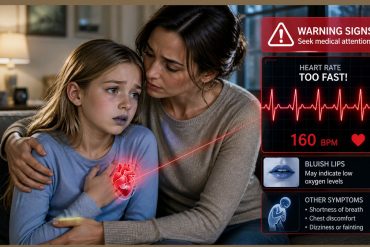
Some symptoms demand immediate attention regardless of age. These include passing out, especially during exercise, chest pain during activity, and a fast or racing heart rate that does not slow down at rest.
A heartbeat that feels unusually rapid or is difficult to count after activity should be evaluated right away. These symptoms may point to rhythm-related issues that require prompt diagnosis.
Changes in skin color can also signal a problem. A bluish tint around the lips, tongue, or inside the mouth may indicate low oxygen levels. This is a serious warning sign and should be checked without delay.
Why Family History Matters
Family history plays a significant role in identifying potential heart conditions. A history of heart disease in close relatives increases the likelihood that a child may be affected.
This is especially true in cases of cardiomyopathy or unexplained deaths, particularly those that occur during exercise or sleep. Some inherited heart conditions do not produce symptoms early in life, which makes family history an essential tool for early detection.
Even if a child appears healthy, a concerning family history may justify screening. According to the Mayo Clinic, understanding these risks can help identify children who need monitoring before symptoms appear.
When to Seek Medical Evaluation
Parents often struggle with deciding when to take action. The Mayo Clinic offers a balanced perspective. Most symptoms such as fatigue, chest pain, or palpitations are not caused by heart disease. Pediatric heart conditions are relatively rare.
However, certain patterns should not be ignored. Fainting during exercise, a racing heartbeat that does not slow down, or a clear decline in activity level are strong reasons to seek evaluation.
If something feels different or concerning, it is appropriate to have a child checked. A typical evaluation begins with a detailed medical history and a careful physical exam. If needed, further testing may include an electrocardiogram to assess electrical activity or an echocardiogram to examine the heart’s structure and function.
Not every child will need these tests. In many cases, the findings point to harmless causes, such as an innocent murmur that does not require treatment. In others, testing helps confirm or rule out more serious conditions.