

The Silent Threat of Dehydration
Most people know dehydration is bad. But few realize how much it can accelerate aging, disrupt biological systems, and quietly increase the risk of disease. A growing body of research suggests that simply not drinking enough water could cause your body to age faster — both inside and out — leading to everything from cognitive decline to visible skin changes.
And here’s the catch: many people are dehydrated without knowing it.
What Happens When You’re Dehydrated?
Water makes up about 60% of the human body. It’s essential for regulating temperature, transporting nutrients, flushing out waste, lubricating joints, and keeping cells functioning properly. But when your hydration drops, your blood thickens, blood pressure rises, and your body’s ability to remove toxins slows down.
One of the biggest issues? Thirst signals become less reliable with age. As a result, people often mistake thirst for hunger and snack unnecessarily — sometimes on sugary or salty foods that worsen dehydration. Over time, this cycle damages organs, raises blood sugar, and disrupts hormonal balance.
According to the Centers for Disease Control and Prevention, chronic underhydration contributes to conditions like constipation, kidney stones, joint stiffness, and heat-related illness. But more recent research suggests it also plays a role in long-term aging.
The Research: Dehydration Linked to Faster Aging
A major study from the National Institutes of Health (NIH), led by Dr. Natalia Dmitrieva of the National Heart, Lung, and Blood Institute, followed more than 15,000 people over 25 years. The researchers used serum sodium — the amount of sodium in the blood — as a marker for hydration. High serum sodium generally indicates poor hydration.
The results were striking. Adults with serum sodium levels at the higher end of the normal range (above 144 mmol/L) were:
- 50% more likely to show signs of accelerated aging
- 21% more likely to die prematurely
- 64% more likely to develop chronic diseases like heart failure, stroke, dementia, and diabetes
Even modest increases in sodium concentration were associated with a higher risk of aging-related diseases. Dr. Dmitrieva said, “Proper hydration may slow down aging and prolong a disease-free life.” Still, she noted that while the findings were compelling, more controlled studies are needed to prove cause and effect.
What Experts Are Saying
Dr. Lawrence Appel from Johns Hopkins cautions that high serum sodium doesn’t always mean someone is dehydrated — medications, illnesses, or disabilities can also play a role. But other experts like Asher Rosinger, director of the Water, Health and Nutrition Lab at Penn State, believe that long-term underhydration can gradually wear down the body and accelerate aging.
“Hydration ensures the kidneys work properly and that extra stress isn’t placed on the body,” Rosinger explained. “Lack of water, especially when replaced with sugary or processed drinks, increases the risk of kidney injury, infections, and cognitive issues.”
Signs That Dehydration May Be Aging You
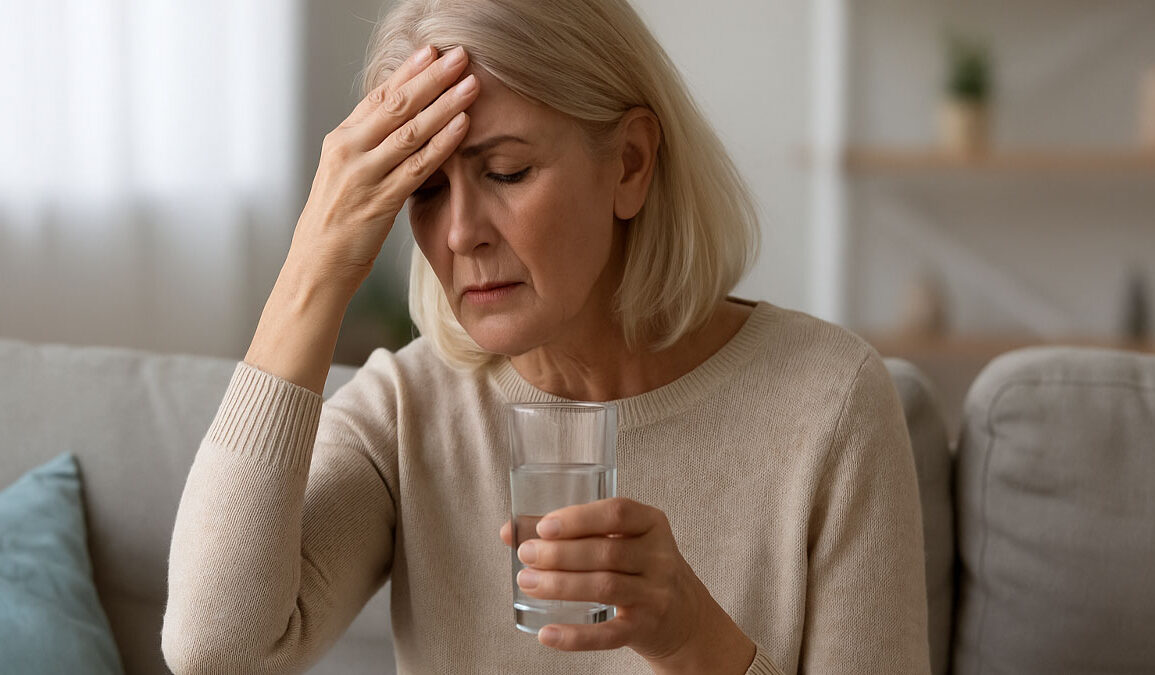
Even if you’re not feeling thirsty, dehydration can sneak up on you. Common signs that your body may be lacking water include:
- Dry or sagging skin
- Brain fog or difficulty concentrating
- Fatigue
- Constipation
- Headaches
- High blood pressure or blood sugar
- Increased cravings for salty or sweet foods
Over time, these symptoms can become chronic and contribute to an older biological age — the age your body functions at – even if your actual age is younger.
What You Can Do to Stay Hydrated
Staying hydrated doesn’t just mean drinking water occasionally. It means making it a routine part of your day.
Here are some expert-approved tips:
- Try the “Five Before Five” rule: Drink five glasses of water before 5 p.m. to stay hydrated without disrupting your sleep at night.
- Start your day with water: Drinking two glasses before coffee or breakfast can help balance hydration and reduce early blood pressure spikes.
- Drink before meals: A glass of water before eating can reduce unnecessary snacking and support digestion.
- Limit sugary or processed drinks: Fruit juices, sodas, and even artificial sweeteners like xylitol may pose long-term risks. Even dairy and nut-based drinks are better consumed after your water intake is covered.
- Avoid plastic containers: Over time, microplastics from plastic bottles can leach into water and enter your body. Opt for glass bottles or home-purified water.
- Use hydration-rich foods: Cucumbers, watermelon, oranges, and celery are high in water and can support hydration goals.
The National Academy of Medicine suggests around 9 cups of fluids daily for women and 12.5 for men — but that includes what’s in your food. Pure water should still make up the bulk of your fluid intake.
Is There a Risk in Over-Hydrating?
Yes, drinking too much water too quickly can be dangerous. A condition called water intoxication can lead to dangerously low sodium levels, which can be life-threatening. Moderation is key. Most experts agree that five to ten cups of water per day, spread out evenly, is a safe guideline for most people.
The Bottom Line
Hydration is one of the simplest, most accessible ways to support your body and slow down aging. While scientists are still working to understand the full connection between dehydration and longevity, the evidence is clear: the more hydrated you are, the better your odds of avoiding disease, looking youthful, and living a longer, healthier life.
So the next time you’re reaching for a snack or a sugary drink, pause and ask yourself: “Did I drink enough water today?” Your body — and your future self — may thank you for it.