


For generations, the sun has symbolized life and vitality. And science now confirms what many of us instinctively feel: spending time in the sun can be incredibly good for your physical and mental health. From boosting mood to strengthening your immune system, sunlight plays a powerful role in keeping you well — as long as you don’t overdo it.
Here’s a guide to how sunlight affects your body, what the top benefits are, how much you need, and what happens when you don’t get enough.
The 8 Most Important Benefits of Sunlight
1. Produces Vitamin D
UVB rays trigger your skin to create vitamin D, a hormone that supports strong bones, a healthy immune system, muscle strength, and mood stability.
2. Improves Sleep Quality
Morning sunlight helps regulate your circadian rhythm. Light signals your brain to suppress melatonin by day and increase it at night for restful sleep.
3. Boosts Mood and Fights Depression
Sunlight stimulates serotonin, dopamine, and beta-endorphins, all of which elevate mood and reduce symptoms of anxiety and seasonal depression.
4. Enhances Immune Function
Light exposure activates T cells, reduces inflammation, and increases protective hormones and cytokines that help your body fight off infections.
5. Increases Energy Levels
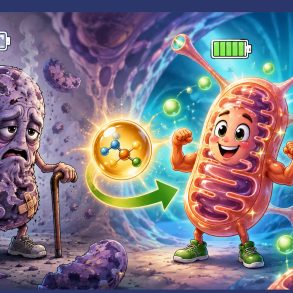
Sunlight stimulates mitochondria to produce more ATP, the body’s energy currency, leading to better stamina and reduced fatigue.
6. Protects Against Certain Cancers
Sunlight lowers the risk of cancers like colon, breast, and prostate by reducing inflammation, improving mitochondrial function, and boosting vitamin D levels.
7. Supports Heart Health
Sunlight increases nitric oxide in blood vessels, helping lower blood pressure, improve circulation, and support overall cardiovascular health.
8. Aids in Weight Management
Sun exposure boosts hormones that regulate appetite and fat metabolism, helping to convert white fat into calorie-burning brown fat.
How Much Sunlight Do You Need?
Most experts suggest between 10 to 30 minutes of sun exposure daily on bare skin, depending on your skin tone, location, and the time of year. People with lighter skin may need less, while those with darker skin may need more to generate the same vitamin D levels.
Morning sunlight, particularly within the first hour of waking, has been shown to be especially effective for regulating your sleep-wake cycle, boosting energy, and enhancing mood. Try to expose your face, arms, and legs when possible without sunscreen during this window, then use protection if staying out longer.
Sunlight and Vitamin D: A Vital Connection
Vitamin D isn’t just a supplement — it’s a hormone your body makes when UVB rays hit your skin. This natural process produces the active form of vitamin D (1,25-dihydroxyvitamin D), which helps regulate over 1,000 genes involved in immune function, calcium absorption, and inflammation control. While supplements provide a backup, they don’t fully replace the unique biochemical benefits of sunlight-generated vitamin D.
Low sunlight leads to lower vitamin D levels, which are linked to a higher risk of osteoporosis, dementia, autoimmune disease, and infections.
What Happens If You Don’t Get Enough Sunlight?
Not getting enough sun can lead to:
- Vitamin D deficiency, weakening your bones, immunity, and mood
- Poor sleep, due to a disrupted circadian rhythm and low melatonin
- Increased risk of depression, especially in darker months
- Weaker immune response, increasing your risk for illness
- Higher rates of obesity and metabolic syndrome, as sun-linked hormones that regulate fat and insulin are disrupted
- Greater risk of cognitive decline, including dementia and neurodegenerative diseases
The Dangers of Too Much Sunlight
While sunlight is vital, excessive exposure — especially during midday — can damage the skin and increase the risk of skin cancer. UV rays can cause:
- Sunburns
- Photoaging, such as wrinkles and dark spots
- DNA damage, especially with repeated exposure without protection
- Eye damage, including cataracts from long-term exposure
Experts recommend moderation and building sun tolerance slowly. Start with short exposures and avoid burning. Once your skin adapts, longer periods may be safe depending on your tolerance and skin type.
What About Sunscreen?
Sunscreens can protect against burning but may block UVB rays that help you make vitamin D. Some chemical sunscreens also contain hormone-disrupting compounds. If you use sunscreen, mineral-based options like zinc oxide are safer alternatives.
To naturally protect your skin, consider nutrients like astaxanthin, sulforaphane, and carotenoids, which may reduce damage from sun exposure without blocking its benefits.
Can You Get the Same Benefits Without Sun?
In places with limited sunlight or during winter, you can still support your health with:
- Light therapy lamps for mood and circadian rhythm
- Vitamin D-rich foods, like fatty fish and fortified milk
- Supplements, if prescribed by a doctor
- UVB lamps to simulate sun exposure on your skin
But remember: the full spectrum of benefits that sunlight provides — from hormone regulation to energy metabolism — can’t be fully replaced by artificial sources.
A Final Word on the Sun
Sunlight is more than just a source of vitamin D. It regulates your body clock, boosts your mood, strengthens your immune system, and helps keep your heart, brain, and skin in peak condition. While too much sun can be harmful, too little can quietly undermine your health.
As Dr. Charles Garven puts it: “Even 10 to 30 minutes of sun exposure on bare skin can start to impact your health in a positive way.”
So step outside, touch some grass, and let the sun do what it’s done for thousands of years — power life.