

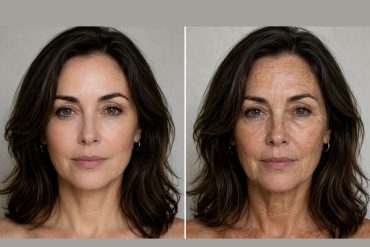
For decades, skin aging has been treated mainly as a cosmetic problem. Wrinkles, sagging skin, puffiness, and dullness have fueled a massive industry of creams, serums, and procedures. But according to physician Jingduan Yang, many of the real causes of skin aging begin far deeper than the skin itself.
Yang argues that aging skin is often the visible result of hidden problems involving stress, sleep, hormones, gut health, inflammation, posture, and even emotional trauma. After more than 30 years practicing both Western medicine and classical Chinese medicine, he believes that “most skin aging can be significantly delayed.”
Rather than seeing wrinkles as unavoidable, Yang views the face as a record of what is happening throughout the body. He says the skin reflects imbalances involving digestion, blood sugar, sleep quality, inflammation, emotional stress, and circulation. In his view, healthy skin is not simply about what people put on their face, but about how the entire body functions.
Jingduan Yang is an integrative psychiatrist and physician trained in both Western medicine and classical Chinese medicine. He wrote that his decades of experience led him to conclude that skin aging is often accelerated by correctable internal problems rather than by age alone.
Yang believes modern dermatology often focuses too heavily on surface treatments while ignoring deeper biological causes. He argues that the body’s internal systems constantly shape the skin’s appearance, and that many signs of aging can improve when those systems are addressed.
Yang’s Recommendations for Delaying Skin Aging
Improve Movement, Fascia Health, and Lymphatic Drainage
Yang says many people underestimate the role of fascia and lymphatic circulation in skin aging. Fascia is the connective tissue network that supports the face and body. Chronic tension in the neck and jaw, poor posture, and unresolved injuries place mechanical stress on collagen and accelerate structural aging. At the same time, the lymphatic system depends on movement and breathing to clear waste. When circulation slows, metabolic waste can accumulate in facial tissue, causing puffiness, dullness, and sagging. Yang points to facial acupuncture, gua sha, and manual lymphatic drainage as methods that may help address these deeper structural issues.
Control Blood Sugar and Reduce Glycation
Yang warns that sugar may be one of the most overlooked causes of premature skin aging. He explains that repeated blood sugar spikes create advanced glycation end products, known as AGEs. These compounds stiffen and discolor collagen in a process similar to bread browning in a toaster. Over time, this makes skin thicker, less flexible, and older looking. According to Yang, every refined carbohydrate and sugary beverage contributes to this process. Keeping blood sugar stable may therefore help preserve collagen and delay visible aging.
Support Gut Health and Reduce Inflammation
Yang says the “gut-skin axis” plays a major role in aging and skin quality. He explains that disruptions to the gut microbiome from antibiotics, processed foods, or chronic stress can create systemic inflammation that appears on the skin. Conditions such as rosacea, eczema, acne, and accelerated aging may all reflect deeper digestive dysfunction. Yang argues that improving gut health may help calm inflammation throughout the body, leading to healthier and younger-looking skin.
Correct Nutrient and Hormonal Deficiencies
Yang highlights an underrecognized condition called kryptopyrrole disorder, which may deplete zinc and vitamin B6. Zinc is important for collagen production, wound healing, and UV protection, while vitamin B6 helps regulate inflammation and cellular repair. He says deficiencies in these nutrients may contribute to faster aging and slower healing. Yang also stresses that hormonal decline during midlife affects skin thickness, moisture, and regeneration. Hormones such as DHEA, thyroid hormones, growth hormone, and pregnenolone all influence skin quality.
Prioritize Deep Sleep and Emotional Health
Yang describes sleep as perhaps the most powerful anti-aging intervention available. During deep sleep, the body repairs oxidative damage, clears waste, and produces growth hormone. Poor sleep caused by stress, alcohol, screens, or circadian disruption shortens this repair process. He also argues that emotional stress visibly affects the skin. Chronic cortisol exposure reduces collagen production and increases inflammation. Yang writes that unresolved grief, anxiety, anger, and loneliness often appear directly on the face over time.
Other Approaches Being Studied
Polygonati Rhizoma
Researchers studying Polygonati Rhizoma, a traditional Chinese medicinal herb, reported that it may help slow skin aging through antioxidant and anti-inflammatory effects. Scientists identified compounds called 4’,5-dihydroxyflavone and baicalein that formed stable interactions with proteins linked to skin aging, including MMP9 and PTGS2. The herb also demonstrated strong free radical scavenging activity in laboratory testing. Researchers concluded that Polygonati Rhizoma may have value in future anti-aging cosmetic products.
Black Ginseng Extract
A separate study examining black ginseng extract found evidence that it may help reduce inflammation-driven skin aging. Researchers reported that black ginseng reduced levels of MMP-1, an enzyme that breaks down collagen, while also lowering inflammatory compounds such as PGE2. The extract contains rare ginsenosides including Rg3, Rg5, and RK1, which showed strong binding activity with proteins involved in inflammation and aging pathways. Scientists suggested the extract may help preserve skin structure and elasticity.
Rapamycin
Researchers at Drexel University reported that topical rapamycin cream reduced visible signs of skin aging in a small human study. Participants over age 40 applied rapamycin cream to one hand and placebo cream to the other for eight months. The treated hands showed increased collagen levels, reduced wrinkles, less sagging, and more even skin tone. Researchers also found lower levels of p16, a protein associated with cellular aging. Scientists believe rapamycin may reduce inflammation and improve cellular repair by slowing activity in the TOR pathway, which influences growth and aging.
Researchers increasingly believe inflammation and oxidative stress play major roles in skin aging. Studies discussed in the material repeatedly point to collagen degradation, inflammatory signaling, and free radical damage as central drivers of wrinkles and skin deterioration.
Meanwhile, scientists involved in the Human Cell Atlas project say new discoveries about how skin develops at the cellular level may eventually allow researchers to slow aging, reduce wrinkles, improve healing, and even regenerate healthier tissue. Prof. Muzlifah Haniffa stated, “If we can manipulate the skin and prevent ageing we will have fewer wrinkles.”
Taken together, the research suggests that skin aging may not simply be an unavoidable consequence of getting older. Instead, many scientists now believe aging skin reflects deeper biological processes involving inflammation, metabolism, stress, sleep, hormones, and cellular repair. While no single treatment can stop aging entirely, growing evidence suggests that many aspects of skin aging may be delayed far more than previously believed.