

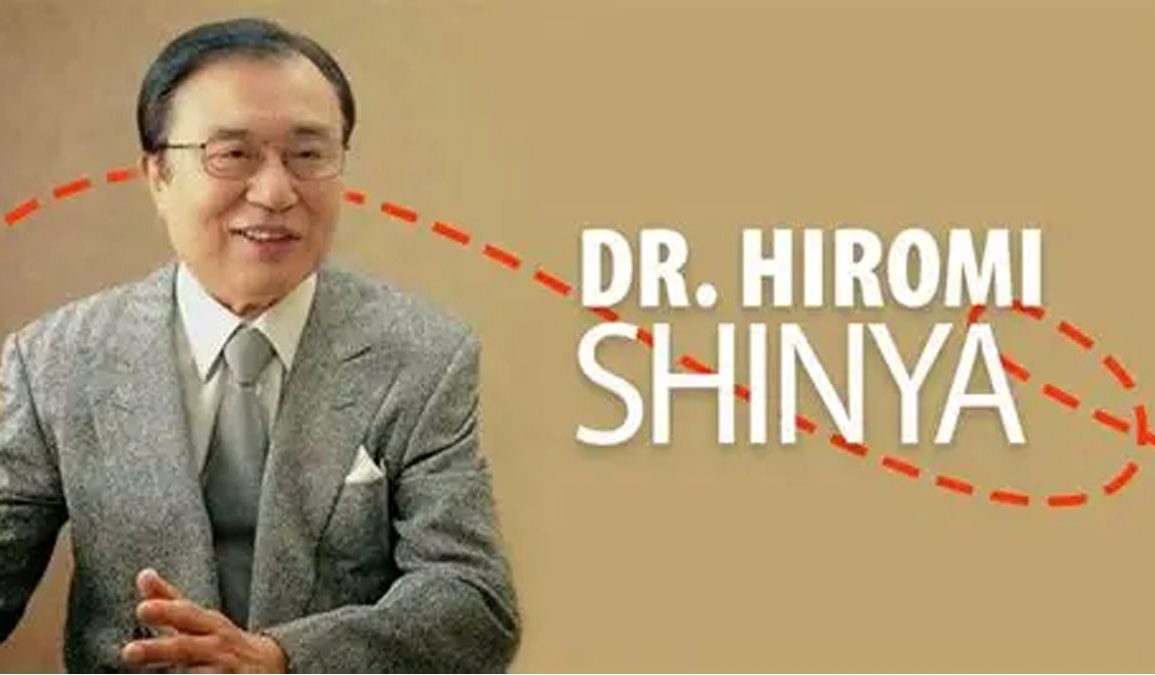
According to an interview and feature article by BoxLife Magazine writer Julien Raby, one 89 year old doctor believes the secret to staying healthy and energetic deep into old age begins in an unexpected place: the digestive system. His conclusions are attracting attention because they come from decades of firsthand medical observation rather than trendy wellness theories. After studying hundreds of thousands of patients during his career, Japanese American gastroenterologist Dr. Hiromi Shinya became convinced that people who remained active and vibrant late in life almost always had healthier intestines than those who aged poorly.
Dr. Shinya built an extraordinary reputation in medicine. He developed the “Shinya technique,” an innovative procedure that allowed doctors to safely remove colon polyps using a flexible endoscope. The advancement transformed colon cancer prevention and made early treatment much more accessible worldwide. Over time, however, he became increasingly interested in why some people stayed healthy for decades longer than others. His answer centered on digestion, inflammation, and the body’s ability to repair itself naturally.
Stop Eating Before You Feel Completely Full
One of Dr. Shinya’s central ideas was based on the Japanese practice known as “hara hachi bu,” which encourages people to stop eating when they are roughly 80 percent full. He believed constant overeating exhausts the digestive system and forces the body to spend too much energy processing excess food. By eating slightly less, the body may devote more resources toward maintenance and cellular repair.
Research referenced in the article supports the concept. Scientists have found that modest calorie restriction can improve markers associated with aging and stress regulation while supporting cardiovascular health. Animal studies have also repeatedly linked lower calorie intake with longer lifespans. The goal is not deprivation, but moderation that reduces long-term strain on the body.
Fill Your Diet With Fresh Plant Foods
Dr. Shinya strongly favored a mostly plant-based diet rich in vegetables, fruits, legumes, sea vegetables, sprouts, and fermented foods. He believed these foods naturally support digestion because they contain enzymes and nutrients that make it easier for the body to process meals efficiently.
Among the foods he recommended were leafy greens, fermented vegetables, seaweed, papaya, kiwi, pineapple, and sprouts. He also believed that heavily processed foods and excessive cooking reduced many of the beneficial compounds naturally found in fresh ingredients.
Modern nutrition research increasingly supports diets built around plant foods. Scientists have linked these eating patterns to healthier gut bacteria, lower inflammation levels, and reduced risks of chronic illnesses such as heart disease and metabolic disorders. A healthier gut microbiome may also support stronger immunity and better long-term health overall.
Stay Hydrated Throughout the Day
Another major part of Dr. Shinya’s philosophy involved drinking large amounts of pure water, preferably warm water. He believed hydration helps maintain the intestinal lining and supports the digestive processes that keep nutrients moving properly through the body.
Medical literature has long shown that hydration supports digestive efficiency and helps preserve the protective mucosal barrier inside the intestines. When hydration levels fall, digestion can become sluggish and the body may experience greater physical stress. While researchers have not definitively proven that warm water is superior to cold water, maintaining proper hydration is consistently associated with healthier digestion and nutrient absorption.
Chew Food Slowly and Thoroughly
Dr. Shinya often reminded people that digestion begins before food ever reaches the stomach. Proper chewing stimulates saliva production and starts the process of breaking down food immediately.
Scientific studies have shown that eating slowly can help regulate blood sugar levels, improve fullness signals, and reduce digestive discomfort. Thorough chewing also means the stomach and intestines do less work later in the digestive process. Over many years, reducing this strain may help preserve intestinal health and lower inflammation.
Protect Sleep and Recovery
Dr. Shinya believed the intestines require regular rest just like the muscles, brain, and heart. Chronic sleep problems and stress, he argued, gradually damage the gut environment and accelerate aging.
Researchers now know that poor sleep can disrupt the gut microbiome and weaken the intestinal barrier. When this barrier becomes compromised, unwanted substances can enter the bloodstream and trigger inflammation throughout the body. Quality sleep gives the body an opportunity to repair tissue, regulate hormones, and restore balance within the digestive system.
Reduce Stress and Keep a Calm Mind
Dr. Shinya also believed emotional health directly affects physical aging. Chronic anxiety and constant stress interfere with digestion, lower enzyme production, and upset the balance of healthy gut bacteria.
Modern researchers often describe this relationship as the “gut-brain axis,” a powerful communication network between the digestive system and the nervous system. Stress hormones can increase inflammation and weaken the body’s natural defenses. Maintaining a peaceful mindset may therefore help preserve both digestive health and overall longevity.
Avoid Foods That Burden the Digestive System
Finally, Dr. Shinya warned against foods he believed place excessive strain on the intestines. He frequently advised people to limit processed meats, refined sugars, fried foods, white flour products, dairy, and heavily processed meals.
Modern health studies strongly support many of these warnings. Diets high in processed foods and sugar have been associated with increased risks of obesity, heart disease, colorectal cancer, and metabolic disorders. In contrast, diets built around fresh, minimally processed foods appear to support healthier gut bacteria and lower overall inflammation.
At 89 years old, Dr. Shinya’s message remains remarkably practical. He did not promote expensive anti-aging treatments or miracle solutions. Instead, he argued that long life is built slowly through everyday habits that protect the digestive system, reduce inflammation, and allow the body to heal itself naturally. As he explained in the interview, “We are what you eat.”