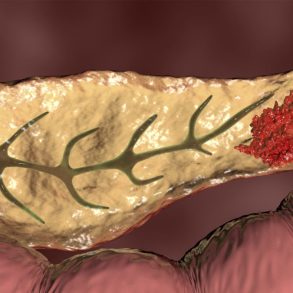
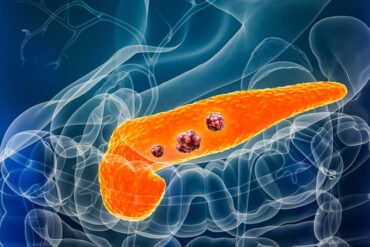
Pancreatic cancer is among the most lethal of all malignancies, often described as a silent killer. It is usually diagnosed late, progresses rapidly, and resists most standard therapies. The disease affects around 67,000 Americans annually and remains the third-leading cause of cancer deaths in the United States. The five-year survival rate hovers near 13 percent, and for patients with advanced disease, it drops to just 3 percent. Yet, despite its reputation for hopelessness, new research is beginning to uncover potential breakthroughs that could finally shift the odds. Three independent studies — from the University of Florida, the University Medical Center Göttingen in Germany, and Northwestern University — have each revealed new ways to target pancreatic cancer’s hidden weaknesses.
AI-Driven Discovery at the University of Florida
At the University of Florida Health Cancer Center, scientists led by Dr. David Ostrov have used artificial intelligence to map the intricate structure of a protein called STAT3, which drives the uncontrolled growth of pancreatic cancer cells. Working with Dr. Robert Hromas at the University of Texas in San Antonio, Ostrov’s team identified a previously overlooked “weak spot” on STAT3 known as the linker domain. Using UF’s HiPerGator supercomputer, they screened 140,000 compounds and found one, striatal B, derived from bird’s nest fungi, that binds precisely to this vulnerable site. When paired with chemotherapy, striatal B turned off STAT3’s signals that tell cancer cells to multiply, effectively slowing tumor growth in both human and mouse models. “These early results mark a significant step in the search for new treatments,” said Dr. Ostrov, who noted that no one had ever fully mapped STAT3’s crystal structure until now. The discovery suggests that AI can reveal new, previously invisible drug targets, offering a faster route to personalized therapies that could one day turn this deadly cancer into a manageable condition.
Dual Pathway Inhibition in Germany
Across the Atlantic, researchers at the University Medical Center Göttingen, in partnership with the Technical University of Munich and Charité—Universitätsmedizin Berlin, have discovered a new combination therapy that simultaneously attacks two critical signaling pathways: PI3Kα/δ and SUMO. Led by Dr. Matthias Wirth and Professors Günter Schneider and Ulrich Keller, the German team demonstrated that pancreatic cancer cells depend on both pathways for survival. When one pathway is blocked, the other compensates, allowing the tumor to continue growing. But when both are inhibited at once, the cancer cells cannot adapt and die. This dual blockade not only killed tumor cells directly but also activated the immune system, allowing immune cells to infiltrate and destroy the tumors. Published in Gastroenterology, the findings mark a significant step toward developing therapies that overcome the notorious resistance of pancreatic cancer. “Our work shows that only the combined inhibition of both signaling pathways leads to successful elimination of tumor cells,” said Prof. Schneider. The team’s next challenge is translating these promising animal results into clinical trials, with the hope that this dual-target approach could finally outsmart the cancer’s complex defense systems.
Sugar Shield Breakdown at Northwestern University
In Chicago, scientists at Northwestern University Feinberg School of Medicine have uncovered a third potential breakthrough — this one focused on the immune system’s ability to recognize pancreatic tumors. Led by Dr. Mohamed Abdel-Mohsen, researchers discovered that pancreatic cancer cells disguise themselves using a sugar molecule called sialic acid, which tricks immune cells into believing the tumor is harmless. The team developed an antibody that blocks this sugar “disguise,” effectively waking the immune system to the cancer’s presence. In mouse studies, tumors treated with the antibody grew much slower than untreated ones, and immune cells began attacking the cancer again. “Pancreatic cancer is notoriously good at hiding from the immune system, but we were struck that a single sugar can so powerfully fool immune cells,” said Abdel-Mohsen. The therapy is still in preclinical stages, but researchers believe it could be combined with chemotherapy and immunotherapy for greater effect. Heloisa Soares of the Huntsman Cancer Institute called the work “encouraging,” noting that “when this signal was blocked, the immune cells woke back up and started attacking the tumor much more effectively.”
Pancreatic cancer has long stood as one of medicine’s toughest challenges, but these three independent breakthroughs reveal a changing tide. From AI-driven drug discovery in Florida to dual pathway inhibition in Germany and sugar-targeting immunotherapy in Chicago, researchers are finally finding cracks in this cancer’s armor. It may take years before patients see these treatments in clinics, but for the first time, the science points toward genuine hope — that one of the deadliest cancers known to humanity may one day be tamed.