
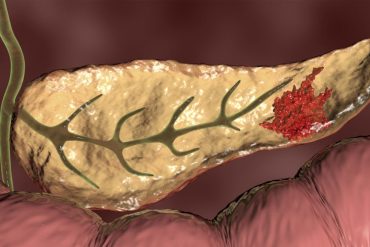
A quiet revolution is taking place in medical imaging, and it may change the fate of one of the deadliest cancers known today. Researchers at the Mayo Clinic have developed an artificial intelligence system capable of detecting pancreatic cancer up to three years before it is typically diagnosed. For a disease that is usually discovered too late, this development could mark a turning point in survival.
The findings, published in the journal Gut, show that AI can identify subtle warning signs in routine CT scans long before tumors become visible. That timing difference could mean the difference between life and death.
Why Pancreatic Cancer Is So Deadly
Pancreatic cancer has long been one of the most feared diagnoses in medicine. The reason is simple. It is extremely difficult to detect in its early stages.
More than 85 percent of patients are diagnosed only after the disease has already spread throughout the body. By that point, treatment options are limited and often ineffective. According to the National Cancer Institute, the five year survival rate for pancreatic cancer remains below 15 percent.
This means that the overwhelming majority of patients diagnosed at a late stage do not survive long term. Experts warn that pancreatic cancer is on track to become the second leading cause of cancer related death in the United States by 2030.
The core problem has always been visibility. Early stage pancreatic cancer produces few symptoms and leaves little obvious evidence on imaging scans. By the time doctors can clearly see a tumor, the disease is often already advanced.
The AI System That Changes the Equation
The new AI system, known as the Radiomics based Early Detection Model or REDMOD, is designed to solve this exact problem. Instead of looking for obvious tumors, it analyzes hundreds of subtle features within CT scan images.
These features include tiny changes in tissue texture and structure that may signal the earliest stages of cancer development. These changes are often invisible to the human eye, even for experienced specialists.
“The greatest barrier to saving lives from pancreatic cancer has been our inability to see the disease when it is still curable,” said Dr. Ajit Goenka, the study’s senior author and a radiologist at Mayo Clinic. “This AI can now identify the signature of cancer from a normal appearing pancreas, and it can do so reliably over time and across diverse clinical settings.”
That statement captures the significance of the breakthrough. The AI is not just improving detection. It is revealing disease where doctors previously saw nothing.
How the Study Was Conducted
To test the system, researchers analyzed nearly 2,000 abdominal CT scans. These scans came from patients who were later diagnosed with pancreatic cancer, even though their scans had originally been interpreted as normal.
This approach is important. It mirrors real world conditions, where early warning signs are often missed because they are too subtle to detect.
The AI model was then tasked with identifying signs of cancer in these earlier scans.
The results were striking.
REDMOD successfully identified 73 percent of these prediagnostic cancers. On average, it detected them about 16 months before the official diagnosis. This is nearly double the detection rate of human specialists reviewing the same scans without AI assistance.
Even more impressive, the advantage increased the further back researchers looked.
In scans taken more than two years before diagnosis, the AI identified nearly three times as many cancers that would have otherwise gone unnoticed.
This suggests that the system is particularly powerful at spotting the earliest biological changes, well before traditional methods can detect a tumor.
Why AI Has the Advantage
The key advantage of AI in this case lies in its ability to process complexity at scale. The REDMOD system evaluates hundreds of quantitative imaging features simultaneously, far beyond what a human can realistically analyze in a routine review.
It does not rely on obvious visual cues. Instead, it detects patterns and relationships within the data that indicate early disease development.
Another major benefit is that the system works with scans that are already being performed for other reasons. Patients do not need additional tests or procedures. The AI simply analyzes existing imaging data and flags potential risks.
This makes it especially useful for high risk groups, such as individuals with newly diagnosed diabetes, who may already be undergoing abdominal imaging.
The system also operates automatically, without requiring time intensive manual preparation, making it practical for real world clinical use.
Consistency Across Real World Conditions
One of the most important aspects of the study is that the AI was tested under conditions that reflect actual medical practice.
Researchers validated the model using scans from multiple hospitals, different imaging systems, and varying scanning protocols. Despite this variability, the system showed consistent performance.
It also demonstrated stability over time. In patients who had multiple scans, the AI produced consistent results months apart. This opens the door to using the technology not just for detection, but for ongoing monitoring.
In other words, doctors could track changes over time and intervene earlier if risk increases.
What Experts Are Saying
The reaction from researchers has been cautiously optimistic but clearly enthusiastic.
Experts emphasize that early detection is the single biggest factor in improving survival for pancreatic cancer. If the disease can be identified before it spreads, treatment options expand dramatically and outcomes improve.
“This AI can now identify the signature of cancer from a normal appearing pancreas, and it can do so reliably over time and across diverse clinical settings,” Dr. Goenka said.
That reliability across different environments is critical. It suggests the technology can be deployed broadly, not just in specialized research centers.
What Comes Next
The research team is now moving forward with clinical testing through a study called AI PACED, which stands for Artificial Intelligence for Pancreatic Cancer Early Detection.
This next phase will evaluate how the technology performs in real world patient care. Researchers will study how doctors can integrate AI guided detection into routine practice and measure outcomes such as early diagnosis rates, false positives, and overall clinical impact.
The work is part of a broader initiative at Mayo Clinic aimed at predicting and preventing disease before symptoms even begin.
A Potential Turning Point in Cancer Detection
Pancreatic cancer has long been defined by late diagnosis and poor survival. The numbers tell a grim story, with most patients diagnosed too late and fewer than 15 percent surviving five years.
This new AI approach does not cure the disease, but it attacks the problem at its root. It makes the invisible visible.
By identifying cancer years earlier, when it may still be curable, the technology could shift outcomes in a meaningful way. Instead of reacting to advanced disease, doctors could intervene earlier and give patients a real chance.
The results so far suggest that this is not just incremental progress. It is a fundamental change in how cancer might be detected.
If the clinical trials confirm these findings, the implications will be profound. A disease once known for its silence could finally be heard before it is too late.