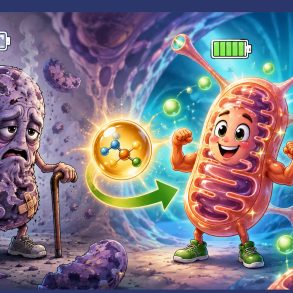


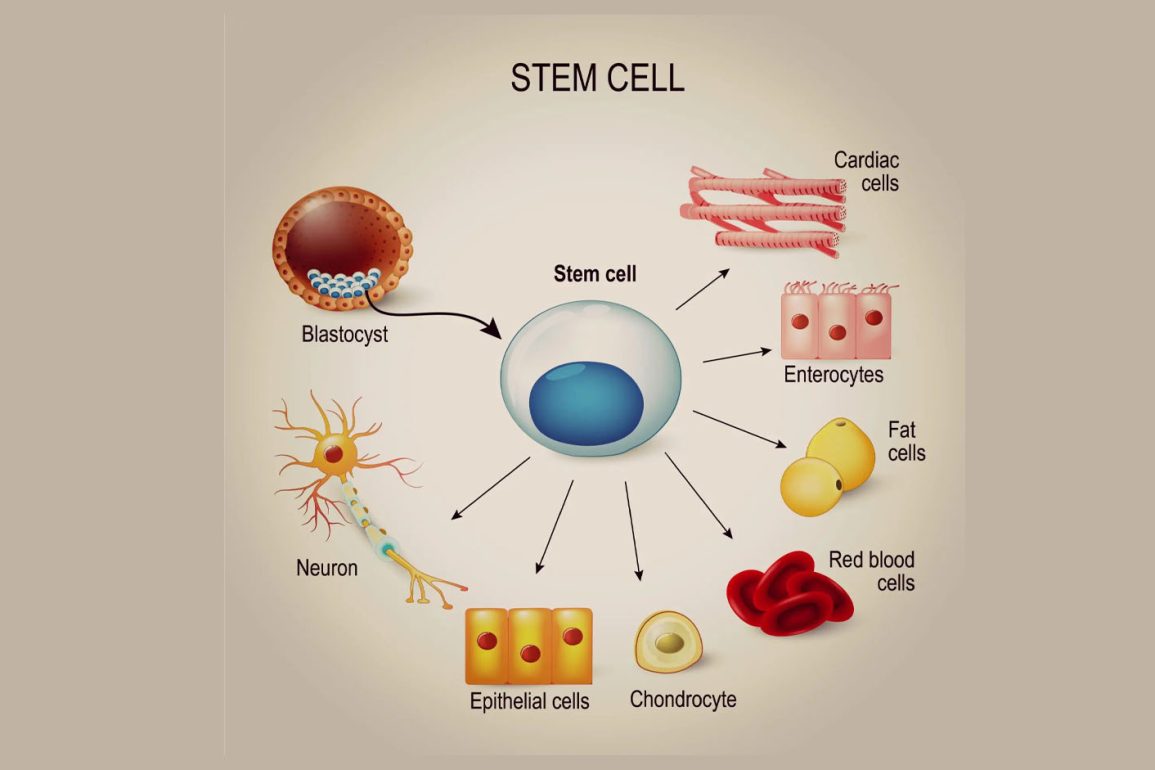
For years, scientists have searched for a way to slow or even reverse one of the body’s most important aging processes: the decline of stem cells. Now, researchers at the Icahn School of Medicine at Mount Sinai say they may have found a powerful new approach. In research published in Cell Stem Cell and highlighted this month by Science Daily, scientists successfully restored old blood stem cells in mice to a youthful state by repairing damage inside the cells’ recycling systems.
The findings are attracting major attention in regenerative medicine because they suggest aging in stem cells may not be permanent. Instead, it may be reversible.
The study was led by Dr. Saghi Ghaffari, Professor of Cell, Developmental, and Regenerative Biology at Mount Sinai and a member of the Black Family Stem Cell Institute. Her team worked alongside Dr. Mickaël Ménager and researchers at the Imagine Institute and INSERM in Paris.
The work builds on growing interest in stem cells as one of the foundations of regenerative medicine, a field focused on repairing or replacing damaged tissue instead of simply treating symptoms. Scientists have long believed stem cells could someday help regenerate organs, repair the nervous system, restore damaged heart tissue, and even slow aspects of aging itself. What makes this latest research especially important is that it demonstrates a direct method for restoring aged stem cells to a healthier, more youthful condition.
The Hidden Cause of Stem Cell Aging
The Mount Sinai team focused on hematopoietic stem cells, often called HSCs. These rare stem cells live in bone marrow and are responsible for producing all blood and immune cells throughout a person’s life.
As people age, these stem cells lose efficiency. Their ability to regenerate declines, immune defenses weaken, and inflammation rises. Aging blood stem cells are also associated with clonal hematopoiesis, a condition linked to blood cancers and inflammatory disease. Researchers have increasingly viewed this process as one of the biological engines of aging.
The scientists discovered that a major source of the problem lies inside structures called lysosomes.
Lysosomes act as the cell’s internal recycling centers. They break down waste materials, damaged proteins, fats, carbohydrates, and cellular debris so the cell can reuse important components. They also help regulate metabolism and energy balance.
In older blood stem cells, however, the lysosomes became hyperactive and dysfunctional. The researchers found they were excessively acidic, damaged, depleted, and operating in a kind of metabolic overdrive. This disruption harmed the stem cells’ mitochondria, destabilized epigenetic programming, and triggered harmful inflammation throughout the cell.
Using single-cell transcriptomics and functional testing, the researchers identified lysosomal hyperactivity as one of the central drivers of blood stem cell aging.
How Researchers Reversed the Aging Process
The breakthrough came when scientists attempted to calm the overactive lysosomes.
The team used a vacuolar ATPase inhibitor, a compound designed to suppress excessive lysosomal activity. Rather than stimulating the cells, the treatment essentially slowed the cellular machinery down to healthier levels.
The results surprised researchers.
After treatment, old stem cells began functioning like young stem cells again. They regained their ability to regenerate healthy blood cells, produce balanced immune cells, and create new stem cells more efficiently. The treated cells also showed healthier metabolism, improved mitochondrial performance, and lower inflammatory signaling.
“Our findings reveal that aging in blood stem cells is not an irreversible fate,” Dr. Ghaffari said. “Old blood stem cells have the capacity to revert to a youthful state; they can bounce back.”
The team also tested an ex vivo approach, where old stem cells were removed from the body, treated in the laboratory, and then returned. This process increased the stem cells’ blood-forming capacity by more than eightfold in living animals.
Researchers also observed reduced activation of the cGAS-STING pathway, an inflammatory signaling system believed to play a major role in aging and tissue damage. Healthier lysosomes appeared to improve the processing of mitochondrial DNA, reducing inflammatory stress inside the cells.
“By targeting lysosomal hyperactivity, we were able to reset aged stem cells to a younger, healthier state,” Dr. Ghaffari explained.
Why This Research Matters More Now
The timing of this discovery is significant because regenerative medicine has accelerated rapidly over the past six months. Scientists increasingly view aging not as a fixed decline, but as a biological process that may be adjustable at the cellular level.
This new research strengthens that idea by showing that stem cell aging can be directly reversed through targeted cellular repair.
The implications extend far beyond blood disorders.
Stem cells are already widely used in bone marrow transplantation for leukemia, lymphoma, and multiple myeloma. Researchers are also investigating stem cell therapies for Parkinson’s disease, Alzheimer’s disease, spinal cord injuries, stroke damage, diabetes, heart disease, and retinal disorders.
One of the most promising areas involves induced pluripotent stem cells, or iPSCs. These are adult cells that scientists reprogram into stem-like cells capable of developing into many tissue types. Researchers believe these cells could someday be used to grow replacement tissue, study diseases in the laboratory, and develop personalized treatments tailored to individual patients.
The Mount Sinai findings add a new dimension to the field because they focus not just on creating stem cells, but on rejuvenating aging ones already inside the body.
If the approach works in humans, doctors may eventually be able to strengthen aging immune systems, improve recovery after chemotherapy, enhance stem cell transplantation outcomes, and possibly reduce the risk of blood cancers linked to aging.
The research could also influence future anti-aging therapies focused on maintaining healthier tissues for longer periods of life.
“Targeting this pathway may one day help maintain healthy blood and immune systems in the elderly,” Dr. Ghaffari said, “and perhaps have an effect on overall aging.”
The Future of Regenerative Medicine
Scientists caution that the work remains experimental and was performed in mice. Human therapies are still years away, and many commercial “anti-aging stem cell” treatments currently advertised remain unproven and unapproved.
Even so, the study marks a major advance in understanding how aging works at the cellular level.
The Mount Sinai team is now investigating whether lysosomal dysfunction also contributes to the formation of leukemic stem cells, which could help explain how aging and cancer become biologically connected.
For decades, aging was viewed largely as an unavoidable decline. Today, researchers increasingly see it as a process that might be repaired, adjusted, or partially reversed through cellular engineering.
This latest breakthrough suggests that the body’s own stem cells may still hold far more regenerative potential than scientists once imagined.