

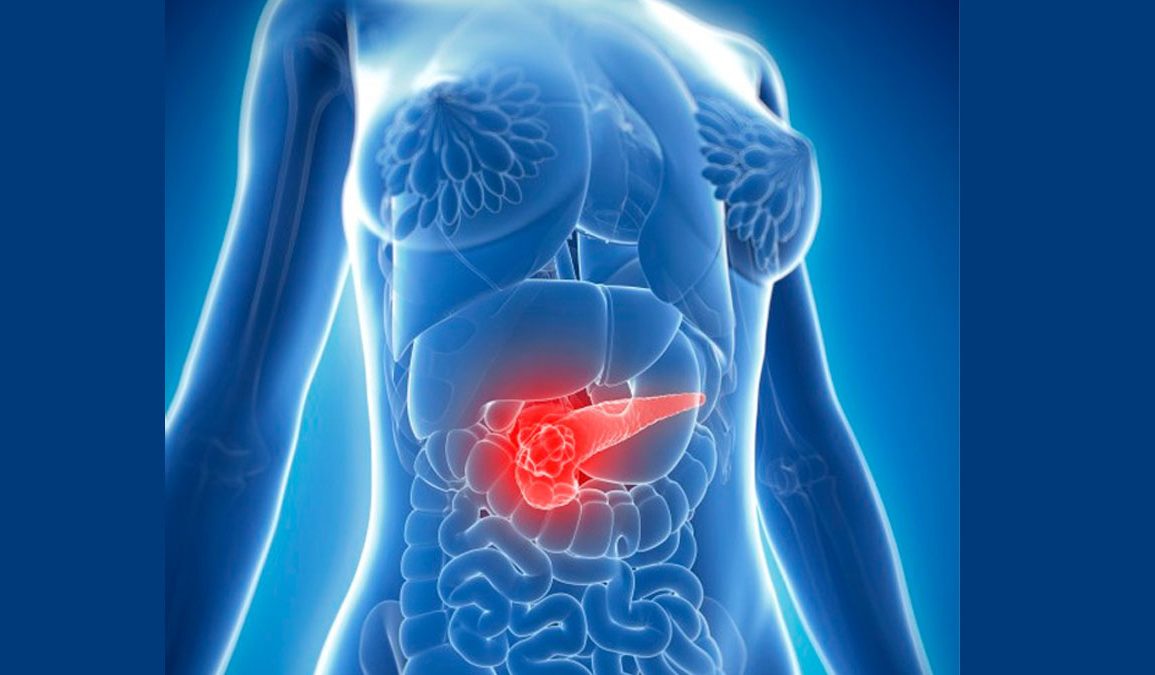
A new experimental drug from Revolution Medicines is offering rare hope against one of the deadliest cancers in the world. In a late-stage clinical trial, the company’s once-daily pill, daraxonrasib, significantly extended survival for patients with advanced pancreatic cancer, nearly doubling the time they lived compared to standard treatments.
A Devastating Disease With Few Options
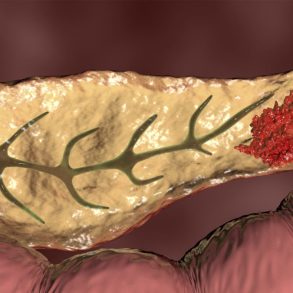
Pancreatic cancer has long been one of the most feared diagnoses in medicine. It is often detected late, spreads quickly, and has resisted many of the breakthroughs seen in other cancers. The five-year survival rate remains around 13%, making it one of the lowest of any major cancer. For the most common form, pancreatic adenocarcinoma, survival can drop as low as 8%.
For patients with metastatic disease, where the cancer has already spread, treatment options are limited and outcomes are grim. Traditional chemotherapy, typically delivered intravenously, has been the standard of care for years, but its benefits have been modest at best.
That is why the results from this new trial are drawing so much attention.
A Pill That Targets the Root of the Cancer
Daraxonrasib works differently from conventional chemotherapy. Instead of broadly attacking rapidly dividing cells, it targets RAS mutations, a key driver of tumor growth found in more than 90% of pancreatic cancer cases.
By going after what scientists consider the engine of the disease, the drug aims to slow or even halt tumor progression at its source.
“This is incredibly important,” said RBC Capital Markets analyst Leonid Timashev, who noted that some physicians see the treatment as potentially “the biggest breakthrough in pancreatic cancer ever.”
Clinical Trial Results That Exceeded Expectations
The Phase 3 trial focused on patients with metastatic pancreatic ductal adenocarcinoma who had already undergone prior treatment. These are among the hardest cases to treat.
The results were striking:
Patients taking daraxonrasib had a median overall survival of 13.2 months
Patients receiving standard chemotherapy had a median survival of 6.7 months
That nearly twofold increase is significant in a disease where even small gains are rare.
Analysts had set expectations at around 11 to 12 months of survival for a successful outcome. The drug exceeded that benchmark, reinforcing its potential to reshape treatment.
In addition to extending life, the drug also improved progression-free survival, meaning patients went longer without their disease worsening.
“These results underscore daraxonrasib’s potential to redefine the treatment landscape,” said Mark Goldsmith, the company’s CEO.
Experts Call It a Potential Turning Point
Leading researchers involved in the trial believe the drug could change how doctors treat pancreatic cancer.
“For patients with metastatic pancreatic cancer, new treatment options are urgently needed to increase survival time and improve quality of life,” said Brian Wolpin of Harvard Medical School, the study’s principal investigator.
He added that the results represent “a very important advance for the field” and could be “practice-changing for physicians.”
Real-World Impact Already Emerging
The drug’s potential is not just theoretical. Former U.S. Senator Ben Sasse, who was diagnosed with Stage 4 pancreatic cancer and initially given only a few months to live, has been taking daraxonrasib.
According to reports, his tumors have shrunk by 76% since starting treatment.
While he described the drug as causing “crazy” side effects, including severe skin reactions, the results highlight its powerful impact.
The company noted that most side effects observed in trials were manageable, with no patients discontinuing treatment due to rashes.
Balancing Power and Risk
Because RAS proteins are present throughout the body, not just in tumors, targeting them can lead to unintended side effects. This has been one of the biggest challenges in developing drugs like daraxonrasib.
CEO Mark Goldsmith acknowledged the uncertainty early in development.
“We fretted over every escalation,” he said, describing how cautiously the team increased doses during testing.
Despite those concerns, the drug performed as predicted. Scientists anticipated tumor shrinkage at a specific dose, and early patients confirmed those expectations.
“We saw the first patient’s tumor shrink, and we said, ‘Wow, our team’s pretty good,’” Goldsmith said.
What Comes Next
Revolution Medicines plans to submit the trial data to regulators, including the U.S. Food and Drug Administration, as part of a formal application for approval.
If approved, daraxonrasib could become the first widely used targeted therapy for pancreatic cancer, a milestone that has eluded researchers for decades.
The financial stakes are also enormous. Analysts estimate the drug could represent a market opportunity exceeding $10 billion, reflecting both the size of the need and the lack of effective alternatives.
A Rare Moment of Hope
For years, pancreatic cancer has stood apart as one of the most stubborn and deadly diseases, with little progress despite advances in oncology.
This new pill does not cure the disease, and it comes with side effects that must be carefully managed. But for the first time in a long time, there is clear evidence that targeting the biology of the cancer itself can meaningfully extend lives.
In a field where months matter, doubling survival is not just a statistic. It is a signal that the tide may finally be turning.