


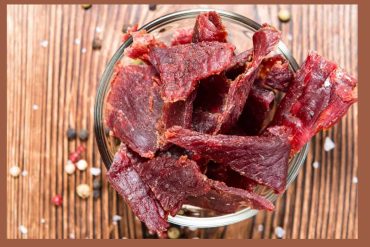
Beef jerky has come a long way from dusty gas station shelves and greasy convenience store counters. Today, shoppers can find everything from grass-fed beef strips to salmon, elk, venison, turkey, and even plant-based jerky in grocery stores and online marketplaces. Wellness influencers on TikTok and fitness enthusiasts often praise jerky as a high-protein snack that can satisfy hunger without piling on calories. But is beef jerky actually healthy, or is it another processed food wearing a health halo? Experts say the answer is more complicated than many social media posts suggest.
What Exactly Is Beef Jerky?
Jerky is meat that has been dried, seasoned, and preserved to remove moisture and extend shelf life. It is usually sliced into thin strips and slowly dried, which gives it its chewy texture and portability. Traditional jerky is made from beef, but modern varieties now include turkey, chicken, pork, venison, bison, salmon, elk, and even exotic meats like kangaroo. Plant-based versions made from soy, mushrooms, tofu, and jackfruit have also entered the market.
Its biggest appeal is convenience. Jerky does not require refrigeration, making it popular among hikers, campers, travelers, athletes, and busy professionals looking for a quick snack. Many products pack between 8 and 12 grams of protein while staying relatively low in calories, often ranging from about 70 to 130 calories per serving.
The Major Jerky Brands and Sources
Consumers now have many choices beyond the classic Slim Jim. Several brands mentioned by health writers and experts include Chomps, Country Archer, Epic Bites, Old Trapper, Carnivore Snax, Epic Provisions, and Louisville Vegan Jerky Co. These brands offer beef, chicken, venison, salmon, bison, turkey, and soy-based alternatives. Some products market themselves as grass-fed, sugar-free, minimally processed, or free of unusual additives.
For example, Epic Provisions offers a venison sea salt and pepper bar containing 12 grams of protein and about 130 calories per serving. Carnivore Snax markets high-protein meat snacks, including chicken-based products that deliver large amounts of protein with relatively low calories. Meanwhile, Louisville Vegan Jerky Co. targets people seeking plant-based alternatives with high protein but no meat.
The Case for Beef Jerky
The strongest argument in favor of beef jerky is simple: protein.
Nicole Lund, a dietitian nutritionist at NYU Langone Health, noted that many jerky products provide “a decent amount of protein for relatively few calories.” This makes jerky appealing for people trying to stay full, support muscle growth, or simply avoid sugary snacks.
Morgan Walker, a registered dietitian and sports nutrition expert, emphasized that jerky packs “a lot of protein into a small package while being relatively low in calories.” Walker also pointed out that meat snacks can provide nutrients such as iron, potassium, vitamin B12, and zinc. Because jerky is portable and shelf stable, it works well in situations where refrigeration is unavailable.
Some nutrition experts also recommend certain meat sources over others. Fish-based jerky and leaner meats such as turkey, salmon, chicken, or elk may contain less saturated fat than traditional beef jerky, potentially making them healthier choices.
Dr. Frank B. Hu, professor of nutrition and epidemiology at the Harvard T.H. Chan School of Public Health, said there are no major studies directly examining jerky’s overall healthfulness. Still, he believes jerky is acceptable “occasionally” but not something people should eat regularly. Hu specifically suggested fish-based jerky as a lower saturated fat option. His position is cautious moderation rather than outright avoidance.
Stephen Devries, an adjunct associate professor of nutrition, warned that dried meats often contain nitrates and nitrites, preservatives that may increase cancer risk. Instead of relying on jerky for protein, Devries suggested alternatives such as Greek yogurt and plant-based snacks like roasted chickpeas, nuts, and edamame. He sees jerky as less ideal than whole-food protein options.
Morgan Walker said jerky can fit into a healthy diet but “is best viewed as a convenient occasional snack rather than a primary protein source.” Walker praised jerky’s convenience and nutrient density while warning about high sodium, additives, and processed meat concerns. Moderation remains central to the recommendation.
Hannah Anderson offered a more nuanced position. She emphasized that not all processed meat is equal. While heavily processed foods like bacon or deli meat may contain problematic preservatives, Anderson argued that many higher-quality jerky products are “minimally processed and made with simple ingredients.” She recommended short ingredient lists, low sodium, and avoiding nitrates, nitrites, MSG, and corn syrup whenever possible.
Chelsea Capella Johnson described jerky as a “good source of protein,” particularly healthier versions such as chicken, turkey, salmon, or elk jerky. However, Johnson stressed that jerky is not essential for meeting protein goals and suggested using it only once or twice per week when more natural protein sources are unavailable.
Nicholas Rush highlighted jerky’s nutritional upside, describing it as rich in minerals like zinc and iron and often low in carbohydrates. However, he cautioned that the preservation process can lead to high sodium levels, which may be problematic for people with high blood pressure or those carefully watching salt intake.
The Health Risks and Concerns
Most expert concerns come down to processing. Jerky is considered processed meat because it is cured, salted, dried, or preserved. Research cited by health experts links processed meats to elevated risks for heart disease, dementia, type 2 diabetes, and some cancers. Some reports suggest eating about 1.8 ounces of processed meat daily may raise colorectal cancer risk by roughly 18 percent.
Sodium is another major concern. Many jerky products contain large amounts of salt, which can become problematic for people with hypertension or anyone already consuming a sodium-heavy diet. Added sugars, preservatives, and flavor enhancers also vary significantly by brand.
There are also occasional food safety concerns. In March 2026, the U.S. Department of Agriculture issued a nationwide public health alert for certain beef jerky products due to undeclared soy lecithin allergens and labeling issues, reminding consumers that processed snack foods are not immune from recalls and safety problems.
What Are People Saying About Jerky?
Public opinion on jerky appears divided. Social media influencers and fitness-minded consumers increasingly celebrate jerky as a convenient, protein-rich snack that beats chips or candy. Many consumers appreciate products with short ingredient lists and fewer chemical additives. Yet health experts and cautious consumers continue to raise concerns about sodium, preservatives, and processed meat risks.
The bottom line is that beef jerky may be healthier than junk food, but it is not quite health food. Experts largely agree on one thing: jerky can have a place in a healthy diet, but moderation matters. Choosing higher-quality brands with simple ingredients, lower sodium, and fewer preservatives appears to be the safest middle ground.