Maca is an incredible adaptogen that supports fertility & hormone health. Learn everything you need to know about maca including what it is, 4 amazing health benefits, how to choose the right maca for you, and recipes to support your health, naturally.
Welcome to 2023! I want to start the year off by taking a deep dive into one of my favourite adaptogens: maca! It’s got an incredible sweet, caramelly flavour that works so well in healing elixirs, smoothies, baking, and desserts, especially when it’s combined with chocolate like in this Chocolate Maca Avocado Pudding. Adding adaptogenic herbs to your routine is a great way to support your body and hormones for a healthy, happy 2023!
This post covers everything you need to know about maca including what it is, 4 amazing health benefits, how to choose the right maca for you, and yummy recipes to support your health, naturally.
What Is Maca?
Maca, or Lepidium meyenii, is a biennial plant (that means it is harvested every two years) native to South America, specifically Peru and Bolivia. It grows at high altitudes between 8000 and 14 500 feet in the Peruvian Andes and the part that we use is the root bulb, which looks quite similar to a turnip. It is often referred to as Peruvian ginseng.
Maca is loaded with impressive health benefits that range from helping with hormonal balance and fertility to supporting the body’s stress response.
These benefits are so well known that there are records of Incan warriors carrying maca into battle to boost their strength and endurance.
In recent years maca has become a popular adaptogen in the wellness community. While Andean natives have been cooking and eating the whole plant, even the delicious leaves for millennia, in North America you’ll typically find maca in a dried and powdered form. It’s an incredible source of amino acids including arginine, aspartic acid, glutamic acid, glycine, histidine, phenylalanine, serine, threonine, tyrosine, and valine. Some of these amino acids may be responsible for some of the health benefits listed below.
These roots are also packed with vitamins, minerals, glucosinolates, and antioxidants that come together to nourish and support the body, making this a truly functional food to add to your diet!
What Are Adaptogens?

I mentioned above that maca is one of my favourite adaptogens and while this is a popular term in wellness circles, it’s worth explaining the specifics. In herbal medicine, adaptogens are classified as natural substances that are non-toxic and non-habit forming over the long term. These herbs generally help the body adapt to, and cope with stress, while normalizing other bodily processes. They often affect the endocrine system, specifically the adrenal glands, though certain herbs can act on other organs as well.
In the case of maca it is best used in cases of sex hormone imbalance since it tends to modulate the action of the hypothalamus and pituitary glands. These glands essentially control the whole endocrine system. That means if they’re functioning optimally, they can send the proper signals to all the other endocrine glands, including the adrenals, ovaries and testes, to ensure that proper amounts and ratios of steroid and sex hormones are being released when they are needed.
Maca is best used in cases of sex hormone imbalance since it tends to modulate the action of the hypothalamus and pituitary glands.
I’ve talked before about other beneficial herbs for stress relief and relaxation and while some adaptogens may not have acute effects on a state of stress or anxiety, they can provide long-term support for the body and nourish our overworked adrenal glands. Incorporating adaptogens into your routine helps increase resiliency over the long term. For the best results, try taking your adaptogens as a gentle daily tonic or combine them with nervine herbs in a soothing cup of tea!
Are There Different Types of Maca?
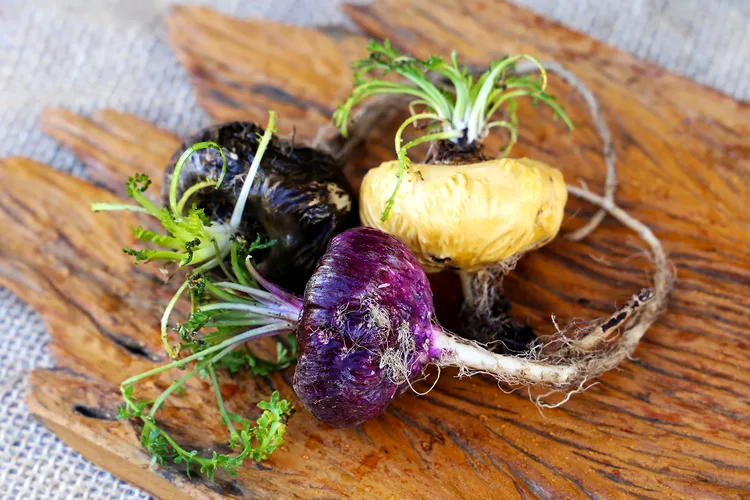
Like many root vegetables, there are different varieties of maca that range from cream or yellow to red or purple all the way to a dark blackish blue hue. Currently, researchers are trying to discover whether there are different therapeutic properties associated with the various colours. While the science isn’t fully settled, there is some preliminary research that has led to some general recommendations about which type to use for certain conditions.
Yellow or cream coloured maca is typically recommended for those who are looking to boost their libidos and sexual function. Red maca is believed to have the highest amino acid content, which makes it great for those looking to boost strength and stamina and balance hormones. Finally, black maca is recommended not only for hormonal balance, but also to support immunity and digestive function.
Black maca is recommended not only for hormonal balance, but also to support immunity and digestive function.
However, as I mentioned, the science isn’t fully settled, so don’t get too wrapped up in the different colours. It’s more important to focus on purchasing organic and choosing a form that is going to be best for you. Keep reading below for more details on the different forms to look out for.
Top 4 Health Benefits of Maca
Now that you’re a pro on all things maca, let’s take a look at a few of the potential health benefits of this delicious and versatile adaptogen.

1. May Improve Fertility
While there are many factors that can impact fertility, including exposure to endocrine disrupting chemicals, it can be helpful to add a functional food like maca to your diet to support fertility in both men and women. Generally, it’s found that fertility issues arise in males and females in a 50/50 split–half the time there is a problem on the male side and half on the female.
Low sperm count or motility is one major cause of infertility in couples. This study found that supplementing with 1.5 or 3 grams of maca daily for four months increased sperm count and motility in men ages 24-44.
For female fertility, this animal study showed promise in improving pregnancy outcomes. This study also found that a combination of maca, vitex, and folate helped to regulate the menstrual cycle, stimulate ovulation, and increase the likelihood of getting pregnant. Due to these effects of maca on fertility, it’s best not to take while pregnant or breastfeeding since there isn’t enough information currently available during these life stages.
Continued: https://www.joyoushealth.com/27625-blog-everything-you-need-to-know-about-maca