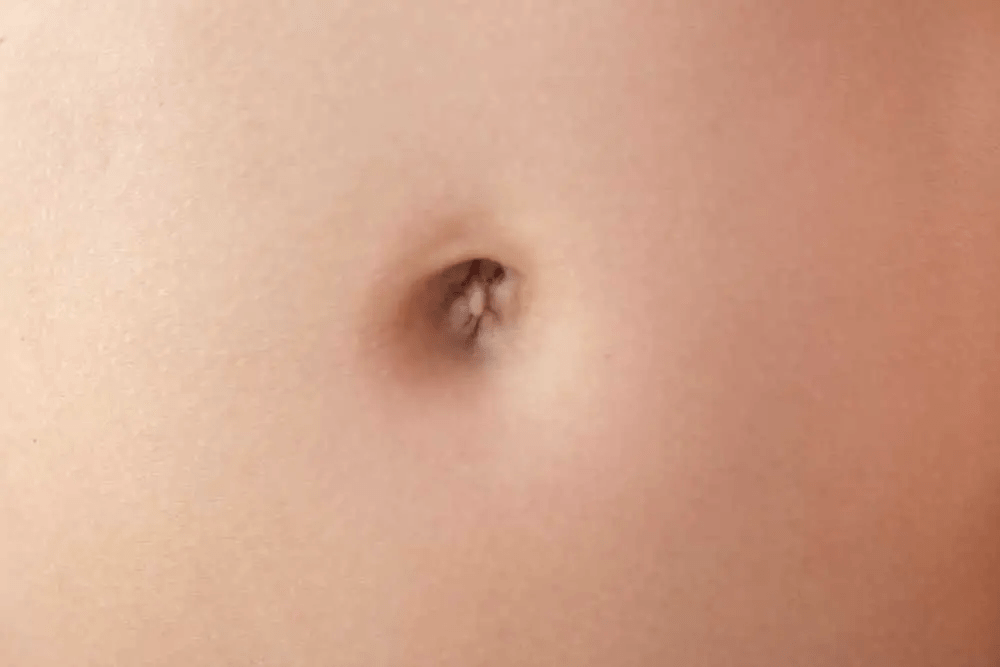
The belly button, or navel, is a unique and fascinating part of the human body. Not only is it the former site of the umbilical cord, which connected mother and baby during pregnancy, but it also has an array of biological connections and potential health benefits. In this article, we will delve into the science of the belly button, discuss the Pechoti method, and explore the use of castor oil packs for health and wellness.
The Belly Button: A Vital Connection
The belly button, formed after the umbilical cord is severed at birth, is the body’s only natural scar. It is a remnant of the crucial connection between mother and baby, through which oxygen, nutrients, and water were supplied to the developing fetus. Even after birth, many blood vessels and nutrient-carrying connections remain in the area around the navel.
The Pechoti Gland and the Pechoti Method
Behind the belly button lies a region known as the “Pechoti,” named after the Pechoti gland, which is thought to contain over 70,000 veins. These veins can connect to almost every part of the body, providing pathways for nutrient absorption and distribution. The Pechoti method takes advantage of this unique vascular network by applying natural and essential oils to the navel to deliver their beneficial properties throughout the body.
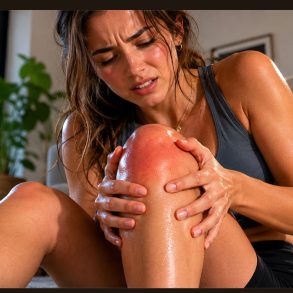
Proponents of the Pechoti method claim it can help alleviate various medical conditions, including dryness of the eyes, face, heels, and lips; joint and knee pain; acne; pancreas health; lethargy; abdominal pain; and symptoms of colds and flus. However, it is important to note that scientific evidence supporting the Pechoti method is limited, and more research is needed to validate these claims.
Common Oils Used in the Pechoti Method
Various oils are used in the Pechoti method to address specific health concerns. Some common examples include:
- Neem Oil: Used for acne and pimples.
- Almond Oil: Used for dry skin and promoting a healthy glow.
- Mustard Oil: Used for dry skin, chapped lips, and mild intestinal detox.
- Olive Oil: Used to improve fertility.
- Thyme Oil: Used as a relaxant, diuretic, and expectorant.
It is important to note that some oils, like thyme oil, must be diluted with a carrier oil before being applied to the skin to prevent irritation.
Incorporating the Pechoti Method: How to Apply and Recommended Frequency
To apply oils using the Pechoti method, begin by choosing an oil that addresses your specific health concern. Once you have selected the appropriate oil, make sure to dilute any potent essential oils with a carrier oil, such as coconut or jojoba oil, to avoid skin irritation. Then, follow these simple steps:
- Clean the area around your belly button with mild soap and water to remove dirt and debris. Pat the area dry with a clean towel.
- Using a dropper or a cotton swab, apply 2-3 drops of the chosen oil directly to your belly button. If you prefer, you can also pour a few drops of the oil onto your fingertip and gently massage it into your navel.
- Allow the oil to absorb into your skin for a few minutes before covering the area with clothing. Avoid touching or rubbing the area during this time to prevent the oil from spreading to other areas of the body.
- Leave the oil on your skin overnight or for a minimum of 3-4 hours to maximize absorption and effectiveness.
The frequency with which you should use the Pechoti method depends on the specific oil and the health concern you are addressing. Generally, it is recommended to apply the oil once daily, preferably at bedtime, to allow for optimal absorption. However, for more acute conditions, such as menstrual cramps or severe joint pain, you may choose to apply the oil more frequently, up to 2-3 times per day. It is essential to monitor your body’s response and adjust the frequency as needed.
Castor Oil Packs: An Adjunct to the Pechoti Method
Castor oil packs are another popular alternative health practice involving the application of castor oil to the body. Castor oil, derived from the seeds of the Ricinus communis plant, is believed to have anti-inflammatory, antioxidant, and antimicrobial properties. When applied to the skin, it is thought to promote healing, detoxification, and overall wellness.
Castor oil packs are typically made by soaking a piece of cloth in castor oil and placing it over the desired area of the body, such as the abdomen. The pack is then covered with plastic wrap and a heating pad or hot water bottle is placed on top for added warmth. The pack is left in place for 45-60 minutes and can be used several times per week.
Some of the purported benefits of castor oil packs include:
- Improved digestion and reduced inflammation in the digestive tract.
- Detoxification of the liver and lymphatic system.
- Relief from menstrual cramps and pelvic pain.
- Reduced joint pain and inflammation.
- Enhanced immune function.
Incorporating Castor Oil Packs: Step-by-Step Instructions
To use castor oil packs, follow these step-by-step instructions to ensure a safe and effective application:
- Gather the necessary supplies, which include cold-pressed castor oil, a piece of clean, unbleached cloth (such as flannel or cotton), plastic wrap, a heating pad or hot water bottle, and a towel to protect your clothing and bedding from any oil stains.
- Pour enough castor oil onto the cloth to saturate it, but not so much that it becomes overly saturated and drips.
- Choose the area of your body where you would like to apply the castor oil pack, such as the abdomen for digestive issues or the lower back for joint pain relief. Make sure the area is clean and dry before application.
- Place the oil-soaked cloth directly on the desired area and cover it with plastic wrap to prevent the oil from staining your clothing or bedding.
- Place the heating pad or hot water bottle over the plastic wrap, ensuring it is set at a comfortable temperature. The heat will help the castor oil to penetrate the skin more effectively and may also provide additional pain relief and relaxation.
- Cover the heating pad or hot water bottle with a towel to help maintain the warmth and protect your skin from excessive heat.
- Leave the castor oil pack in place for 45-60 minutes. During this time, you can relax, read, or meditate to enhance the therapeutic experience.
- After the allotted time, carefully remove the castor oil pack and plastic wrap. Use a clean cloth or paper towel to gently wipe away any excess oil from your skin.
- Wash the cloth in warm, soapy water and allow it to air dry for reuse in future applications.
The frequency with which you should use castor oil packs depends on your individual needs and health concerns. Generally, it is recommended to apply the packs 2-3 times per week for a duration of 3-4 weeks. However, for more acute conditions or as part of a more intensive detoxification program, you may choose to use the castor oil packs daily for a shorter period. As with any alternative health practice, it is important to monitor your body’s response and adjust the frequency of application as needed. Consult with a healthcare professional for personalized guidance on the appropriate frequency for your specific situation.
While anecdotal evidence suggests that castor oil packs may offer a range of health benefits, it is important to note that scientific studies supporting their efficacy are limited. As with the Pechoti method, more research is needed to establish the effectiveness of castor oil packs and to determine their optimal use for various health conditions.
Safety Considerations
Before attempting the Pechoti method or using castor oil packs, it is essential to consider safety precautions. Some individuals may experience allergic reactions or skin irritation from certain oils. It is always recommended to perform a patch test on a small area of skin before applying an oil to a larger area, especially in the case of essential oils. If any signs of irritation or discomfort occur, discontinue use and consult a healthcare professional.
When using castor oil packs, it is crucial to avoid applying the oil to broken or irritated skin, as this can cause further irritation or infection. Pregnant or breastfeeding women, as well as individuals with existing medical conditions, should consult their healthcare provider before using castor oil packs or trying the Pechoti method.
The belly button is a fascinating part of the human body that serves as a reminder of our prenatal connection to our mothers. The Pechoti method, which capitalizes on the extensive vascular network surrounding the navel, has the potential to offer various health benefits. However, it is important to approach this practice with caution and to be aware of the limited scientific evidence supporting its efficacy.
Similarly, castor oil packs have gained popularity for their purported health benefits, but further research is needed to substantiate these claims. As with any alternative health practice, it is essential to consult a healthcare professional before trying new treatments, and to be mindful of safety precautions and potential side effects.
In the pursuit of optimal health and well-being, it is crucial to remain open-minded yet critical, and to prioritize evidence-based practices while acknowledging the potential value of alternative approaches. The belly button, the Pechoti method, and castor oil packs serve as intriguing examples of the complex interplay between traditional wisdom and modern science in the realm of health and wellness.