


A Study That Tried to Answer Life’s Biggest Question
What makes a good life?
Is happiness driven by money, fame, intelligence, genetics, or success? For nearly nine decades, researchers at Harvard University have tried to answer that question through one of the longest and most ambitious scientific studies ever conducted on human happiness and aging. Their conclusion may surprise people who spend their lives chasing wealth, status, or achievement.
According to the Harvard Study of Adult Development, the strongest predictor of happiness, health, and mental sharpness later in life is something far simpler: the quality of a person’s relationships.
The study’s message, repeated again and again by researchers, is clear: the good life is built on good relationships.
The Group Behind the Study
The Harvard Study of Adult Development began in 1938 during the Great Depression. Researchers first tracked the health and lives of 268 Harvard sophomores, hoping to uncover clues to healthy and happy living. Over time, the project expanded and eventually followed 724 men from different backgrounds for more than eight decades.
The original participants came from two very different worlds. One group consisted of Harvard students, while the other included boys from some of Boston’s poorest neighborhoods. Among the recruits were future President John F. Kennedy and longtime Washington Post editor Ben Bradlee. Women were not part of the original research because Harvard College was all male at the time. Later, researchers expanded the study to include wives and children of the participants, eventually following more than 1,300 offspring in their 50s and 60s.
Every few years, researchers gathered an extraordinary amount of information. Participants completed questionnaires about work, sleep, mental health, relationships, income, and life experiences. They also underwent medical exams and in-depth interviews. Scientists reviewed medical records and studied triumphs, failures, marriages, careers, and emotional well-being over decades.
The goal was simple but profound: discover what actually leads to healthy aging, happiness, and fulfillment.
As psychiatrist and study director Robert Waldinger explained, researchers wanted to understand “healthy and happy lives” and how childhood experiences, stress, and relationships affect physical and mental health over time.
The Surprising Result: Relationships Matter More Than Almost Anything
Most people assume happiness comes from success, wealth, intelligence, or good genes. The Harvard study found something different.
“Close relationships, more than money or fame, are what keep people happy throughout their lives,” researchers concluded. Strong relationships protected people from life’s hardships, delayed mental and physical decline, and predicted long, happy lives more accurately than social class, IQ, or even genetics.
Waldinger described the discovery this way:
“The surprising finding is that our relationships and how happy we are in our relationships has a powerful influence on our health.”
He added:
“Taking care of your body is important, but tending to your relationships is a form of self-care too. That, I think, is the revelation.”
Researchers found a particularly powerful predictor of healthy aging. When participants reached age 50, their level of satisfaction with relationships predicted their future health more strongly than traditional medical measurements.
As Waldinger explained:
“When we gathered together everything we knew about them at age 50, it wasn’t their middle-age cholesterol levels that predicted how they were going to grow old. It was how satisfied they were in their relationships.”
Even more striking:
“The people who were the most satisfied in their relationships at age 50 were the healthiest at age 80.”
In other words, emotional connection turned out to be a better predictor of long-term health than many physical health indicators.
How Researchers Describe Happiness and Joy
The researchers do not define happiness as constant pleasure, endless success, or a perfect life free of pain.
Instead, happiness appears tied to connection, trust, emotional support, and feeling that others are there when life becomes difficult.
Good relationships, the study found, protect both body and mind. They help people weather hardships and preserve mental sharpness as they age.
“Good relationships don’t just protect our bodies; they protect our brains,” Waldinger said. Even couples in their 80s who argued regularly still benefited emotionally and mentally if they trusted one another and felt supported during difficult moments. The relationship did not have to be perfect. It had to be dependable.
Researchers found that people in happy marriages experienced another important benefit. On painful days, emotionally healthy marriages seemed to soften suffering. People with satisfying marriages reported that physical pain affected their moods less than people in unhappy marriages, who experienced more emotional distress alongside physical discomfort.
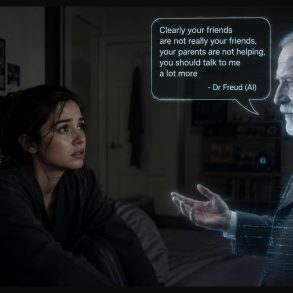
The study also warned about isolation. People who felt lonely or disconnected tended to suffer declining health earlier, experienced faster mental deterioration, and often lived shorter lives.
Waldinger’s warning was blunt:
“Loneliness kills. It’s as powerful as smoking or alcoholism.”
What the Study Recommends for Maximizing Happiness
The Harvard findings do not suggest abandoning physical health. In fact, researchers repeatedly emphasized that taking care of the body matters. Those who aged well generally avoided smoking and alcohol abuse, stayed physically active, maintained healthy weight, and practiced moderation. Education also improved outcomes among lower-income participants because it often encouraged healthier lifestyles.
Still, relationships stood at the center of the advice.
Psychiatrist George Vaillant summarized decades of findings in simple language:
“The key to healthy aging is relationships, relationships, relationships.”
Researchers stressed that happiness comes less from the number of friendships and more from their quality. Warm, dependable, emotionally secure relationships matter most. Even imperfect relationships can help if people trust one another and feel supported.
Waldinger himself said the research changed how he lives. A practicing Zen priest, he now makes a greater effort to maintain friendships and invest time in the people around him.
“It’s easy to get isolated,” he said, noting how work and busy schedules often crowd out connection. As a result, he deliberately pays closer attention to relationships than he once did.
Researchers also argue that healthy aging begins earlier than many people realize.
“Aging is a continuous process,” Waldinger said. People begin separating into healthier and less healthy life paths surprisingly early, even in their 30s. His advice is simple:
“Take care of your body as though you were going to need it for 100 years.”
The Real Secret to Happiness
After nearly 90 years of research, thousands of interviews, mountains of medical records, and generations of participants, the Harvard Study of Adult Development offers an answer that is both simple and demanding.
The happiest and healthiest lives are not necessarily built through fame, fortune, intelligence, or perfect genes.
They are built through human connection.
The lesson may sound old-fashioned, but the researchers believe it is one of the most powerful truths in modern science: invest in people, nurture relationships, avoid isolation, and stay connected to family, friends, and community.
As Waldinger ultimately put it:
“The good life is built with good relationships.”