Histamine intolerance is a common health concern that often goes unnoticed, affecting individuals’ quality of life. This article will explore histamine intolerance in-depth, discussing the signs, symptoms, and root causes that contribute to this condition. By understanding the factors that cause histamine intolerance, you can take steps to improve your health and reduce the symptoms associated with it.
What is Histamine?
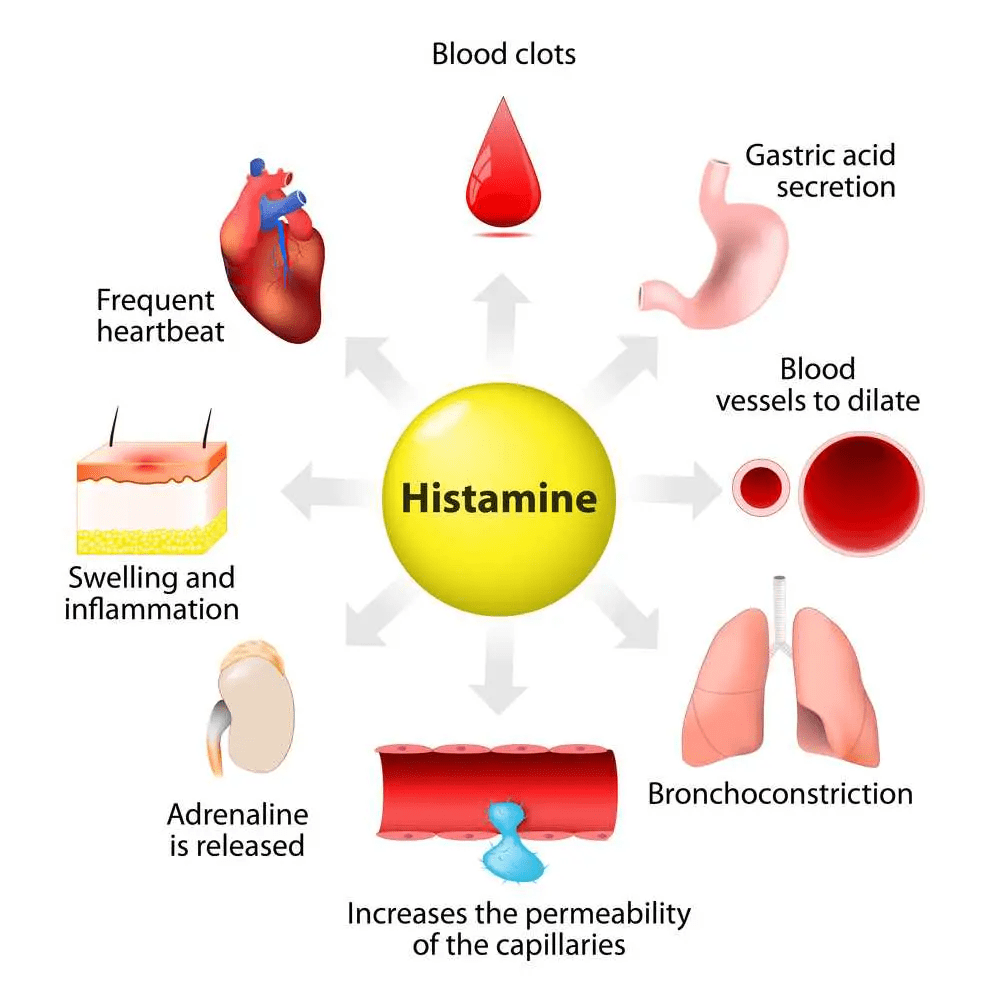
Histamine is a compound released by the body’s cells in response to inflammation, injury, allergic reactions, or potential threats[1]. Under normal circumstances, histamine is broken down by enzymes like histamine-N-methyltransferase (HNMT) through the methylation process or by diamine oxidase (DAO) in the gut[2]. However, when histamine levels become imbalanced, it can lead to histamine intolerance, causing symptoms such as itching, flushing, nasal congestion, irregular cycles, anxiety, mood issues, ADHD, hives, edema, postprandial abdominal distension, diarrhea, abdominal pain, constipation, dizziness, headaches/migraines, hypotension, allergies, and tachycardia[3].
Root Causes of Histamine Intolerance
Understanding the root causes of histamine intolerance is crucial for addressing the issue effectively. Some of the primary factors contributing to histamine intolerance include gut health, liver/gallbladder dysfunction, methylation status, cellular histamine production, and diet[3].
- Histamine Producing Gut Bacteria
A dysbiotic gut, characterized by an imbalance in bacteria levels, can lead to high histamine levels. Certain gut bacteria, such as Morganella, Klebsiella, Pseudomonas, Citrobacter freundii, and Proteus, produce histamine, and an overgrowth of these bacteria can cause histamine overload in the body[3]. To address this issue, it’s essential to support gut health and reduce the levels of histamine-producing bacteria.
- Liver and Gallbladder Dysfunction
The liver and gallbladder play a significant role in maintaining gut health and regulating histamine levels. A poorly functioning liver can lead to poor bile acid composition and regulation, contributing to a suboptimal gut environment that promotes histamine-producing bacteria overgrowth[3]. Supporting liver and gallbladder health is vital to reducing histamine intolerance.
- Methylation Status
Methylation issues can also contribute to histamine intolerance by impairing the body’s ability to break down histamine. Undermethylators tend to have higher histamine levels and may benefit from increased intake of B-vitamins and methyl group-containing foods[3]. Understanding one’s methylation status can help guide dietary and lifestyle changes to reduce histamine intolerance.
- Increased Cellular Histamine Release
Histamine intolerance can also result from the body producing excessive histamine in response to stimuli, such as allergens (e.g., mold, pollen), problematic foods, injury, or perceived threats. Identifying and addressing potential triggers is essential for a comprehensive histamine-reducing protocol[3].
- Diet
The foods we eat can significantly impact histamine levels in the body. Aged and fermented foods, as well as leftovers, tend to have higher histamine content[3]. Reducing the consumption of high-histamine foods can provide short-term relief; however, addressing the underlying causes of histamine intolerance is crucial for long-term symptom management.
Signs and Symptoms of Histamine Intolerance
Histamine intolerance manifests in various symptoms, affecting multiple systems within the body. Common symptoms include anxiety, nasal congestion, and headaches, which can significantly impact daily life. Understanding and recognizing these symptoms can help individuals identify potential histamine intolerance and take steps to address the root causes for improved health and wellbeing. Since histamine intolerance symptoms are diverse and can resemble those of other conditions, it is essential to consult with a healthcare professional for proper diagnosis and treatment.
List of histamine intolerance symptoms:
- Anxiety
- Nasal congestion
- Headaches
- Itching
- Skin flushing
- Hives
- Edema
- Abdominal pain
- Diarrhea
- Constipation
- Dizziness
- Migraines
- Hypotension
- Irregular menstrual cycles
- Tachycardia
How to Diagnose Histamine Intolerance
Diagnosing histamine intolerance can be challenging, as its symptoms often overlap with those of other conditions, such as allergies or food sensitivities. However, a combination of medical history, symptom assessment, and specific tests can help healthcare professionals identify histamine intolerance. The process typically involves the following steps:
- Medical history and symptom assessment: A detailed discussion of the patient’s symptoms, their severity, and potential triggers is crucial. The healthcare professional may ask about the patient’s dietary habits, the onset of symptoms, and any potential relief measures taken.
- Food diary: Patients may be asked to maintain a food diary, documenting everything they consume, along with any symptoms experienced. This record can help identify potential patterns and triggers.
- Elimination diet and reintroduction: Under the guidance of a healthcare professional, patients may be advised to follow a low-histamine diet for a few weeks. If symptoms improve, high-histamine foods will be gradually reintroduced to observe any reactions. A noticeable return of symptoms upon reintroduction may indicate histamine intolerance.
- Blood tests: Blood tests can measure histamine levels and the activity of the diamine oxidase (DAO) enzyme. Low DAO activity or an imbalance between histamine and DAO levels can indicate histamine intolerance. However, these tests may not always provide conclusive results.
- Skin prick test: In some cases, a skin prick test may be performed to rule out allergies to specific substances.
Reducing Histamine Levels
To reduce histamine-producing bacteria and block its inflammatory effects, consider the following approaches:
- Improve liver health: Support liver function by adopting a balanced diet, reducing alcohol intake, and minimizing exposure to toxins[3]. Reduce the amount of high histamine foods in your diet.
- High-dose probiotics: Probiotics can help restore gut balance and reduce histamine-producing bacteria[3].
- Butyrate and fiber: Both butyrate (made by gut bacteria or supplemented) and fiber from foods or prebiotic supplements can support gut health and reduce histamine levels[3].
- Serum bovine immunoglobulins: These can help regulate the immune response and reduce inflammation associated with histamine intolerance[3].
- DAO enzyme supplements: Supplementing with DAO enzymes can help break down histamine in the gut and alleviate symptoms of histamine intolerance[3].
- Low-dose lactulose: This can help prevent constipation, which encourages bacterial overgrowth and contributes to high histamine levels[3]. (Note: In the US, lactulose is available by prescription only.)
- Support methylation: Ensure adequate intake of B-vitamins and methyl group-containing foods to help the body break down histamine effectively[3].
- Consider your environment: Assess your surroundings for potential allergens or triggers, such as mold or pollen, and take steps to minimize exposure[3].
One major factor contributing to histamine intolerance is the consumption of high histamine foods. By understanding which foods are high in histamine and considering a personalized low-histamine diet, individuals can better manage their symptoms and improve their overall health. In this article, we will provide a comprehensive list of high histamine foods to help you make informed dietary choices while navigating histamine intolerance.
High histamine foods includes:
- Aged cheeses: blue cheese, cheddar, gouda, parmesan, swiss, etc.
- Processed and cured meats: salami, pepperoni, sausages, bacon, and ham
- Fermented foods: sauerkraut, kimchi, miso, tempeh, and pickles
- Fermented dairy products: yogurt, kefir, sour cream, and buttermilk
- Alcoholic beverages: red wine, white wine, champagne, and beer
- Vinegar and vinegar-containing foods: balsamic vinegar, apple cider vinegar, pickles, and mustard
- Soy products: soy sauce, tamari, and tofu
- Dried fruits: raisins, apricots, prunes, dates, and figs
- Canned or smoked fish: tuna, mackerel, salmon, sardines, anchovies, and herring
- Shellfish: shrimp, crab, lobster, and mussels
- Tomatoes and tomato-based products: ketchup, tomato sauce, and tomato paste
- Spinach and eggplant
- Avocado
- Strawberries and other berries
- Citrus fruits: oranges, lemons, grapefruits, and limes
- Chocolate and cocoa products
- Nuts: especially walnuts, cashews, and peanuts
- Spices: cinnamon, chili powder, cloves, and anise
- Condiments: mayonnaise, relish, and hot sauce
- Leftovers: histamine levels increase in foods as they age or spoil, so be mindful of how long foods have been stored
It’s essential to remember that individual reactions to high histamine foods can vary. Some people may be more sensitive to certain foods than others. If you suspect histamine intolerance, it’s crucial to work with a healthcare professional to develop a personalized diet plan that helps manage symptoms while maintaining balanced nutrition.
Histamine intolerance can significantly impact an individual’s quality of life, causing a wide range of symptoms, including nasal congestion, anxiety, and headaches. By understanding the root causes of histamine intolerance and addressing them, it’s possible to reduce symptoms and improve overall health. Always consult with a healthcare professional before making significant dietary or lifestyle changes.