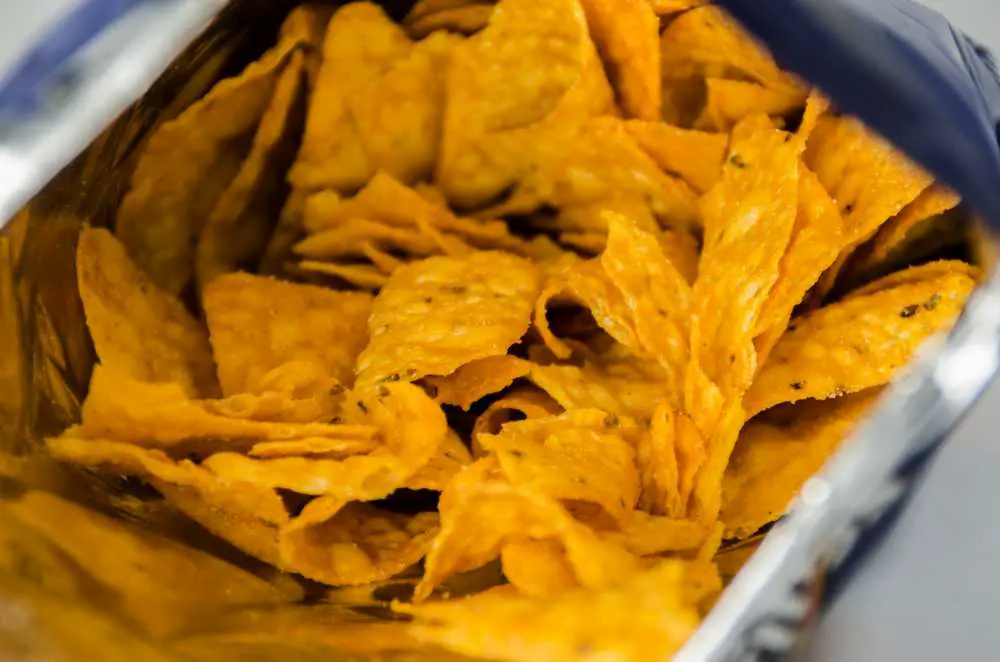
The irresistible crunch and mouth watering flavor of Doritos chips have made them a beloved snack worldwide. With annual sales often reaching between $250-$500 million, there’s no doubt that these chips are a fan favorite. However, have you ever stopped to consider what’s behind the addictive taste and the health risks that come with it?
Doritos, a Frito-Lay product, have been engineered to trigger cravings and prompt overconsumption. While this may benefit the company’s bottom line, the hidden dangers in their ingredients can have severe consequences for consumers’ health. In this article, we will delve into the notorious components of Doritos and provide healthier alternatives, including a homemade recipe for a nutritious and delicious snack.
The Unhealthy Ingredients in Doritos:
- Whole Corn (GMO): Genetically modified corn has been linked to various health risks. According to a study published in the International Journal of Biological Sciences, rats fed with GMO corn experienced organ damage, particularly in the liver and kidneys (Séralini et al., 2009). The Non-GMO Project, a nonprofit organization, also lists potential risks, including infertility, immune problems, accelerated aging, and changes in major organs and the gastrointestinal system.
- Vegetable Oil (GMO): High intake of Omega-6 fatty acids in vegetable oils, without a proper balance of Omega-3 fatty acids, has been associated with increased inflammation, heart disease, and other chronic conditions (Simopoulos, 2002). A study published in the Canadian Medical Association Journal has also found a link between the consumption of trans fats from partially hydrogenated vegetable oils and an increased risk of coronary heart disease (Mozaffarian et al., 2006).
- Cheddar Cheese (pasteurized milk): Growth hormones and estrogen found in commercially pasteurized milk have been linked to potential health risks, including early puberty in girls (Wolff et al., 1993) and an increased risk of prostate cancer in men (Ganmaa et al., 2002).
- Yellow Dye #6: According to the Center for Science in the Public Interest (CSPI), Yellow Dye #6 has been linked to adrenal and kidney tumors in lab animals. The European Union requires a warning label for food products containing this dye, but no such requirement exists in the United States.
- Yellow Dye #5: The CSPI also cites Yellow Dye #5 as a potential cause of hypersensitivity and allergic reactions. Some studies have found a correlation between the dye and hyperactivity in children (Bateman et al., 2004).
- Red Dye #40: The CSPI notes that Red Dye #40 has been linked to allergies, hyperactivity, and DNA damage in lab animals. Although it is approved for use in the United States, it is banned in some European countries.
- Maltodextrin: Although maltodextrin itself isn’t inherently dangerous, its origin as a GMO corn derivative raises concerns about potential health risks. The consumption of high-GI carbohydrates like maltodextrin has been linked to an increased risk of type 2 diabetes, heart disease, and obesity (Hu et al., 2001).
- Citric Acid: While citric acid is generally recognized as safe (GRAS) by the FDA, excessive consumption can cause gastrointestinal irritation and erosion of tooth enamel (Lussi et al., 2011).
- Corn Syrup Solids: High-fructose corn syrup, a common ingredient in corn syrup solids, has been associated with obesity, type 2 diabetes, and metabolic syndrome (Bray et al., 2004). A study published in the American Journal of Clinical Nutrition found that consuming fructose-sweetened beverages can lead to weight gain and increased visceral fat (Stanhope et al., 2009).
These studies emphasize the potential health risks associated with the ingredients in Doritos. Making informed choices and opting for healthier alternatives can help minimize these risks and promote better overall health.
Healthier Alternatives to Doritos:
Store-bought alternatives:
- Beanitos: These bean-based chips are high in fiber and protein, and low in fat. They are also gluten-free and non-GMO.
- Terra Vegetable Chips: Made from real vegetables, these chips are gluten-free and contain fewer artificial ingredients than Doritos.
- Siete Grain-Free Tortilla Chips: These chips use cassava flour instead of corn and are free from artificial colors, flavors, and preservatives.
Homemade Alternative: Baked Kale Chips
Ingredients:
- 1 bunch of kale
- 1 tablespoon of olive oil
- 1 teaspoon of garlic powder
- 1/2 teaspoon of paprika
- 1/4 teaspoon of sea salt
Instructions:
- Preheat your oven to 300°F (150°C).
- Wash and dry the kale leaves, then remove the stems and tear the leaves into bite-sized pieces.
- In a large mixing bowl, toss the kale leaves with olive oil, garlic powder, paprika, and sea salt.
- Line a baking sheet with parchment paper and spread the kale pieces evenly across the sheet, ensuring they do not overlap.
- Bake the kale chips in the preheated oven for 10 minutes, then flip them over and bake for another 10-15 minutes or until they are crispy and slightly browned.
- Remove the kale chips from the oven and let them cool for a few minutes before enjoying them.
By opting for healthier alternatives like Beanitos, Terra Vegetable Chips, Siete Grain-Free Tortilla Chips, or making your own baked kale chips, you can enjoy a satisfying snack without the harmful ingredients found in Doritos. Don’t let the engineered cravings for unhealthy snacks control your diet; choose wisely and prioritize your health.