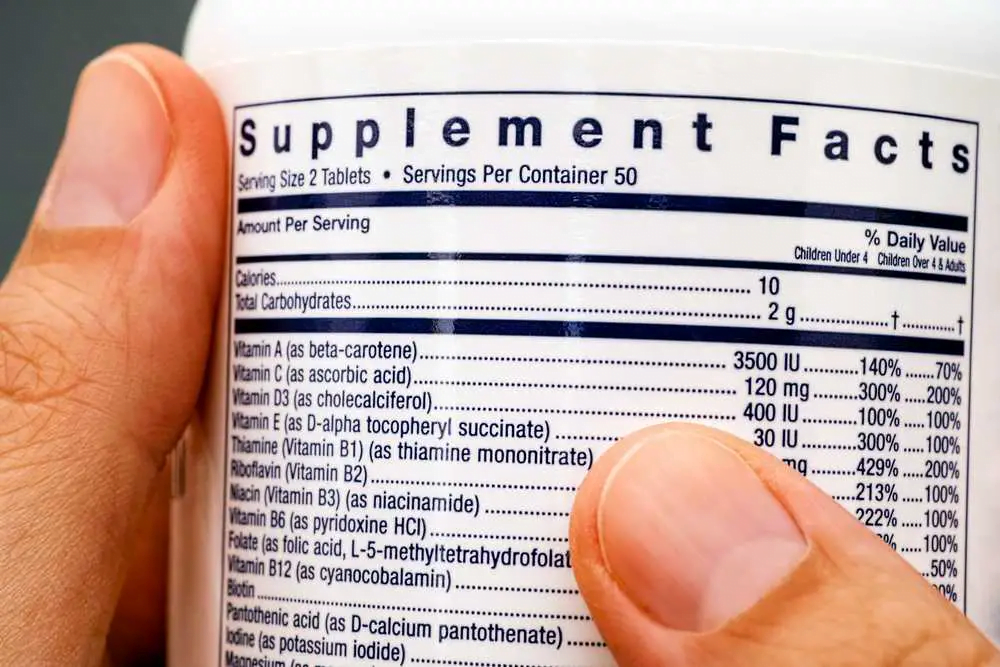
Multivitamins are commonly taken by millions of people worldwide, with a 2020 study reporting that approximately 66% of Americans use dietary supplements, and multivitamins account for the largest category among these products [1]. However, not all multivitamins are created equal, and the quality of the ingredients and the manufacturing process can significantly impact their efficacy and safety. Sadly, most multivitamins are made with cheap, synthetic ingredients that our bodies can’t absorb or don’t have enough of the most important nutrients to our health. This means that taking a generic multivitamin is not only ineffective and a waste of money, but it could also even be causing harm. In this article, we will discuss six potentially harmful ingredients commonly found in low-quality multivitamins, the science behind their effects on the human body, and provide alternative recommendations for safer, organic multivitamins from reputable companies.
6 Common Toxic Ingredients found in Multivitamins
- Titanium Dioxide
Titanium dioxide is a common additive in many products, including paint, cosmetics, paper, sunscreen, and dietary supplements. It is primarily used as a filler to whiten products and has no actual nutrient value [2]. Although the FDA has approved the use of titanium dioxide in very small amounts (less than 1 percent of the formulation) [3], health advocates have raised concerns about its potential side effects. These include allergies, stomach cancer, autoimmune disorders, and organ toxicity [4]. The International Agency for Research on Cancer has also classified titanium dioxide as possibly carcinogenic to humans when inhaled as dust [5].
- Magnesium Silicate
Magnesium silicate, also known as talc, is an additive commonly found in deodorants, cosmetics, and dietary supplements [6]. Its composition is similar to asbestos, and it is not currently considered food-grade by the FDA [7]. Research has linked talc exposure to lung problems and stomach diseases [8].
- Hydrogenated Oil
Hydrogenated oil is a filler derived from genetically-modified (non-organic) soybeans and is present in some dietary supplements [9]. It has been linked to cardiovascular problems, diabetes, nervous system problems, and non-absorption of essential fatty acids [10]. Hydrogenated oil increases low-density lipoprotein (LDL or “bad” cholesterol) levels and decreases high-density lipoprotein (HDL) levels, leading to coronary heart disease (CHD) [11]. In 2010, the Dietary Guidelines for Americans called for limiting consumption of hydrogenated oil, trans fat, and solid fat [12].
- Artificial Coloring: Red 40, Blue 2, Yellow 5
Artificial colors are often added to supplements to make them more visually appealing, especially for children. However, these dyes have been associated with risks of allergies, DNA damage, and cancer [13]. Doctors and scientists have also linked artificial dyes to hyperactive behavior in children [14]. The Center for Science in the Public Interest has called on the FDA to ban artificial colors, referring to it as the “secret shame” of the food industry and regulators [15].
- Artificial Flavors
Artificial and “natural” flavors in supplements can come in various forms, such as high-fructose corn syrup, hydrolyzed vegetable protein, artificial sweeteners, and flavor enhancers [16]. These ingredients are often added to children’s vitamins to make them more palatable, but they have been linked to diabetes, hypertension among kids, and weight gain [17].
- Lead, Mercury, and PCBs
Industrial waste, including lead, mercury, and PCBs, pollutes our oceans and seas, affecting large fish such as salmon and tuna. This contamination can be carried over to fish oil supplements [18]. The Council for Responsible Nutrition and other organizations have called for greater transparency regarding the sources of minerals, supplements, and vitamins to determine if they contain lead, mercury, and PCBs [19]. It is essential to ensure that your fish oil supplements are molecularly distilled and third-party tested for safety.
What Are Your Options?
To avoid consuming potentially toxic ingredients, it is crucial to choose high-quality, organic multivitamins from reputable companies. Here are some recommendations for organic multivitamins from trusted brands:
- Garden of Life
Garden of Life offers a range of organic, non-GMO, and whole food-based multivitamins for men, women, and children [20]. Their products are designed to support overall health and well-being, with formulas that cater to specific needs, such as prenatal, postnatal, and 50+ age groups. Garden of Life’s multivitamins are certified organic, made from real food, and free from synthetic ingredients, fillers, and artificial colors.
- Life Extension
Life Extension is another reputable company that produces high-quality supplements, including multivitamins. Their products undergo rigorous testing for potency, purity, and quality [21]. Life Extension’s multivitamins are formulated with scientifically researched ingredients, ensuring that they provide the essential nutrients your body needs. Their product range includes options tailored for specific age groups, gender, and health goals, and they prioritize using natural and organic ingredients whenever possible.
- Ortho Molecular
Ortho Molecular is known for its commitment to providing evidence-based, high-quality nutritional supplements [22]. Their multivitamins are formulated based on scientific research and clinical experience, ensuring that the products are safe and effective. Ortho Molecular’s product line includes multivitamins designed for various needs, such as women’s health, men’s health, and pediatric support. They focus on using natural and organic ingredients, and their products are free from harmful additives and artificial ingredients.
By no means is this list comprehensive, these are just vitamin brands that I use and trust.
When choosing a multivitamin, it is crucial to prioritize quality, safety, and efficacy. By selecting organic multivitamins from reputable companies you can avoid consuming potentially harmful ingredients and ensure that you are providing your body with the essential nutrients it needs. Always read labels carefully and consult with a healthcare professional before starting a new supplement regimen.