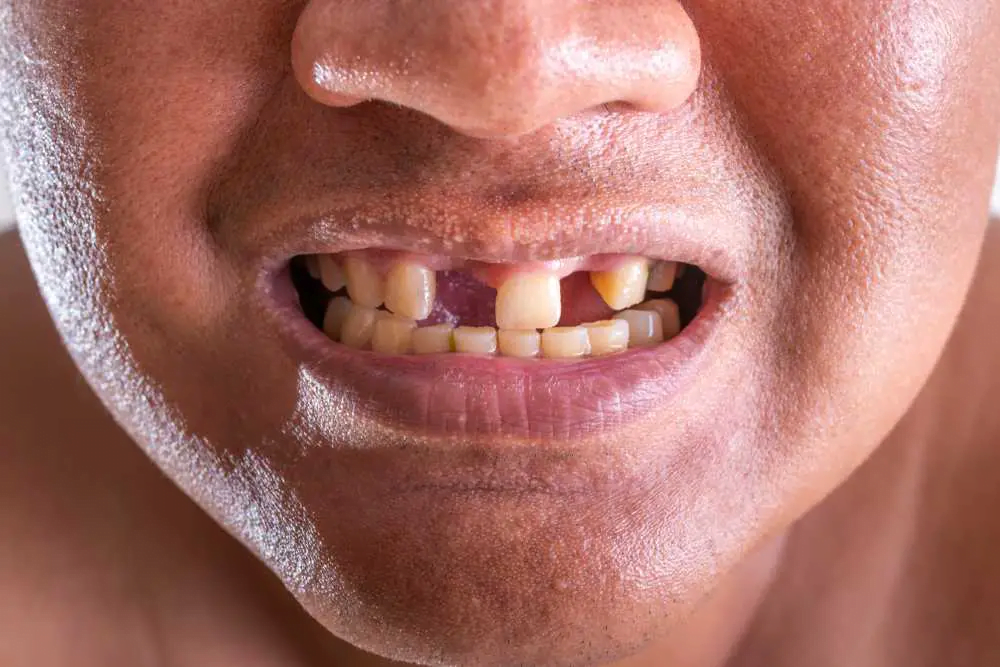
The need for artificial teeth may become obsolete in the future due to the discovery of an antibody that triggers the regrowth of missing teeth. This antibody works by blocking the function of a gene known as USAG-1, thereby enhancing the presence of specific growth factors. This could, in time, offer people the opportunity to naturally regrow a brand new set of gleaming teeth.
In a study published in Science Advances, a group of scientists explain their successful experiment of inducing tooth growth in genetically modified mice. These mice were engineered to exhibit tooth agenesis, a condition where some teeth fail to develop. However, when pregnant mice from this lineage were injected with the USAG-1 antibody, their offspring demonstrated normal tooth development. Remarkably, a single dose of the antibody even prompted the growth of an entirely new tooth in regular mice.
The researchers decided to focus on the USAG-1 gene as it is known to suppress two signaling molecules, BMP and Wnt, which are crucial to tooth development. However, these molecules also regulate the growth of numerous other organs, hence any interference might lead to serious side effects.
During the research, the team examined a range of monoclonal antibodies that modify the interaction between USAG-1, BMP, and Wnt. Some of these caused severe birth defects, but they eventually identified a specific antibody that blocked the gene’s association with BMP without affecting Wnt.
This discovery enabled them to trigger tooth growth without any adverse side effects. The researchers concluded that USAG-1 impedes tooth growth by binding to BMP and reducing its activity.
Study author Katsu Takahashi said in a statement, “We knew that suppressing USAG-1 benefits tooth growth. What we didn’t know was whether it would be sufficient.” The team’s findings suggest that inhibiting the gene’s activity allows for a sufficient increase in BMP to stimulate new teeth’s growth.
While this method is far from being ready for human trials, the scientists did test the antibody on ferrets, which have dental patterns similar to humans. They are also diphyodont, meaning they have a set of milk teeth that are later replaced by adult teeth.
The results showed that the treatment was equally effective in ferrets, with a single injection of the antibody leading to the generation of a whole new tooth. This implies that the method could potentially work in humans, though safety concerns must be addressed before such tests can occur. For the time being, the researchers aim to replicate the experiment on other mammals, such as pigs and dogs.
The research team is optimistic that their groundbreaking work with the USAG-1 antibody could lay the foundation for future dental treatments, particularly for those suffering from tooth loss due to age or disease. However, they stress that the path to human trials is not straightforward and will necessitate a multitude of additional steps.
The foremost concern involves the complexity of safely and effectively applying this technique in humans. Although successful in mice and ferrets, it is crucial to determine if the same method can be used in larger mammals such as pigs and dogs without causing unwanted side effects. These larger mammals are physiologically closer to humans, making them more representative models for such studies.
The researchers will also need to further investigate the potential long-term impacts of inhibiting the USAG-1 gene. Given its role in regulating other organ growth, there could be unforeseen consequences that haven’t yet presented themselves in the short-term studies.
Simultaneously, the team will be examining ways to refine and control the application of the USAG-1 antibody. The goal would be to ensure that it can specifically and consistently induce the growth of a single tooth without affecting the neighboring teeth or tissue.
In the future, the researchers hope to collaborate with dental clinicians and geneticists to delve deeper into the implications of this research on human health. By doing so, they aim to bring us a step closer to a world where tooth loss could be remedied by simply prompting the body to grow a new one, making dentures a thing of the past.
This study undoubtedly represents a significant leap forward in dental regeneration research. However, it’s clear that there is still much work to be done before we can fully understand the potential of this innovative approach.