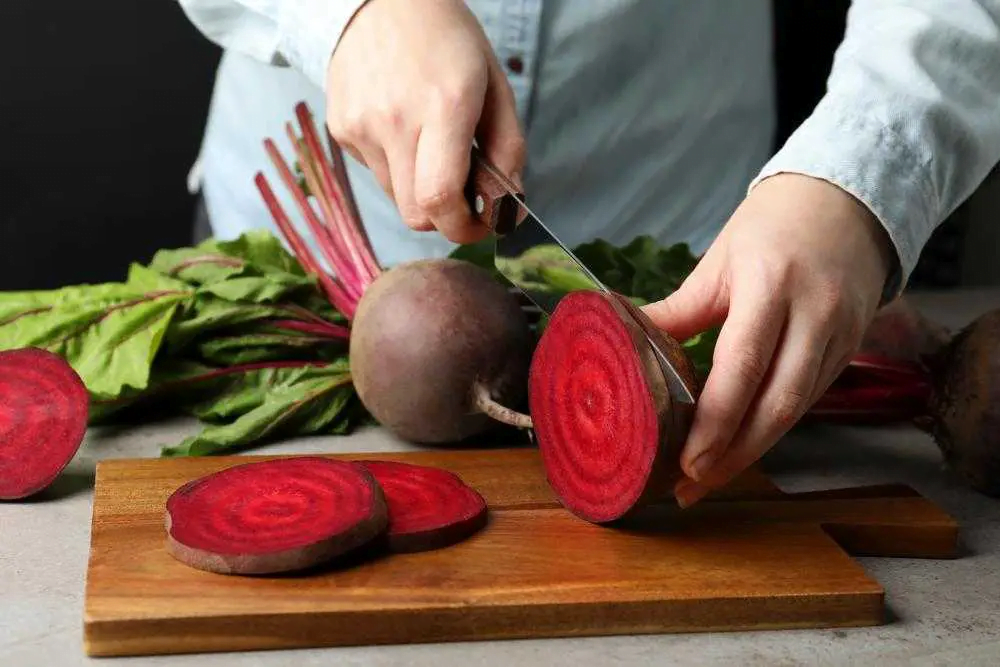
With a recent surge in their popularity, beets have transitioned from an underestimated root vegetable to a sought-after superfood. This crimson gem, teeming with nutrition and versatile flavors, is capturing the world’s attention, and for good reason. Regardless of your personal preference, beets offer an alluring array of tastes depending on how they are prepared, from an earthy raw tang to a luscious sweetness when roasted, and even a refreshing tartness when fermented. But the intrigue does not stop at their gustatory appeal. From enhancing your favorite salads, soups, and desserts to improving your health in significant ways, beets are truly extraordinary.
Whether it is the newfound trend of beet juice, the enchanting ruby-red hue of beetroot soup, or even the unconventional inclusion in cakes and ice creams, the ingenuity of beets’ use is a testament to their rich flavor profile and versatility. They are also available almost all year round, making them a reliable staple in your kitchen. But beyond the taste and availability, the true brilliance of beets lies in their multifaceted health benefits. Now let’s take a deep dive into the world of beets and how they can enhance your health, life, and culinary experiences.
The Nutrient Treasure Trove: Beets
Beets are truly a treasure trove of nutrients. This nutrient-dense root vegetable is packed with vital vitamins such as folate and vitamin C, as well as essential minerals like manganese and potassium. Moreover, it boasts a low calorie and high water content, making it an ideal inclusion in weight management diets. It’s also a fantastic source of dietary fiber, aiding in digestion and overall gut health.
Although the root of the beet is highly nutritious, the leaves carry even more nutritional punch. Indeed, beet greens possess higher levels of vitamins and minerals than the root, with an especially high content of potassium and vitamins A, C, and K.
To better understand the nutritional profile of beets, let’s examine the partial profile of a cup of cooked beets from The World’s Healthiest Foods website. You can view the full charts here:
- 136.00 mcg Folate: 34% DRI/DV
- Manganese: 0.55 mg, 24% DRI/DV
- Fiber: 3.40 g, 12% DRI/DV
- Potassium: 518.50 mg, 11% DRI/DV
- Magnesium: 39.10 mg, 9% DRI/DV
- Phosphorus: 64.60 mg, 9% DRI/DV
- Vitamin C: 6.12 mg, 8% DRI/DV
- Iron: 1.34 mg, 7% DRI/DV
- Vitamin B6: 0.11 mg, 6% DRI/DV
The Multifaceted Health Benefits of Beets
- Blood Pressure Regulation: Beets are rich in naturally occurring nitrates which our body converts into nitric oxide. Nitric oxide aids in the dilation and relaxation of blood vessels, thereby improving blood flow and helping to lower blood pressure. Studies have shown that raw beets can lower blood pressure by 4-5 points within hours of consumption[1].
- Enhanced Athletic Performance: Athletes often enjoy beet juice for its ability to boost stamina. Consumption of raw beets can increase stamina by as much as 16%, largely due to their high nitrate content which our bodies convert into nitric oxide[2].
- Promotion of Heart Health: In individuals diagnosed with heart failure, beet juice has shown promise in improving their exercise capacity. Participants experienced a nearly immediate 13% increase in muscle capacity after consuming 2/3 cup of beet juice[3].
- Fighting Inflammation: Beets contain betalains, pigments known for their anti-inflammatory properties. Although most research on this topic has been conducted on rats, the promising results suggest that betalains may also benefit humans. A human study on patients with osteoarthritis demonstrated that betalain capsules reduced pain and discomfort and improved joint function[4].
- Improvement of Brain Health: Similar to its effect on heart health, the nitrates in beets convert to nitric oxide in our bodies. This compound helps to dilate and relax blood vessels, which could potentially improve blood flow to the brain, thereby enhancing cognitive function[5].
- Promotion of Digestive Health: As a fantastic source of dietary fiber, beets are beneficial for digestive health. Adequate fiber intake is associated with a reduced risk of numerous diseases, including diabetes, colon cancer, and heart disease[6].
- Cancer Prevention: A study performed on human cells discovered that beetroot extract could reduce the growth of breast and prostate cancer cells[7]. Although the study was not conducted on actual patients, the results warrant further investigation.
- Liver Detoxification: The betaines in beets play a significant role in liver health. They help the liver detoxify and have even demonstrated the ability to reverse a fatty liver. While this particular study was conducted on rats[8], the potential benefits suggest that including beets in a healthy diet may be beneficial for liver health.
Choosing, Selecting, and Storing Beets: A Practical Guide
- When shopping for beets, opt for small to medium-sized ones. They should feel firm to the touch and exhibit no soft or slimy spots. Wrinkled, soft, or shriveled beets are old and should be avoided.
- If purchasing beets with leaves, trim all the leaves about two inches from the root. This prevents the leaves from drawing moisture from the beetroot. Store the leaves separately in a container or storage bag. Once cut, the leaves will remain fresh for 3-4 days.
- Store beets in the produce drawer of your refrigerator or in a food storage bag with most of the air removed. Beets can be kept fresh for up to 3 weeks.
Don’t Forget the Beet Greens!
Many individuals discard the beet greens, but they are as beneficial as the root, if not more. These greens have more iron than spinach and contain essential nutrients like B6, copper, fiber, phosphorus, potassium, protein, zinc, magnesium, and manganese. You can juice them with other vegetables or sauté them like spinach.
Simple Beet Recipe: Crispy Beet Chips
Ingredients:
- 2 medium-sized beets
- 2 tablespoons of olive oil
- A sprinkle of salt
Instructions:
- Preheat your oven to 350 degrees.
- Thinly slice the beets using a mandolin.
- Place the slices in a bowl and toss them with olive oil and a sprinkle of salt.
- Spread the slices on a baking sheet in a single layer.
- Bake them in the oven for 25 to 30 minutes until crisp, turning halfway through to ensure even baking.
Be Mindful of the Concerns
Although beets offer numerous health benefits, they also come with a few potential risks.
- Beets are high in oxalates, which can cause uric acid buildup in the body, potentially leading to gout.
- With a high sugar content, excessive beet consumption could cause blood sugar spikes, which may be problematic for those with diabetes.
- For individuals who are oxalate-sensitive, excessive consumption can lead to the formation of kidney or bladder stones due to the high oxalate content.
Beets: A Nutritious Gem
In conclusion, beets are a versatile and nutrient-rich root vegetable that offers numerous health benefits. From brain and heart health to blood pressure regulation and liver detoxification, this vibrant root vegetable is truly a gem of the plant kingdom. Beets and their greens can bring not only a burst of color to our plates but also a significant boost to our health.
However, like all foods, beets should be consumed in moderation, particularly by individuals with diabetes or oxalate sensitivity due to their higher sugar and oxalate levels. Nevertheless, for most of us, this amazing vegetable is a delicious and healthy choice that can be enjoyed all year round.
Remember, the next time you look at a beet, you’re not just seeing a root vegetable. You’re seeing a powerhouse of nutrition and health benefits waiting to be unlocked.
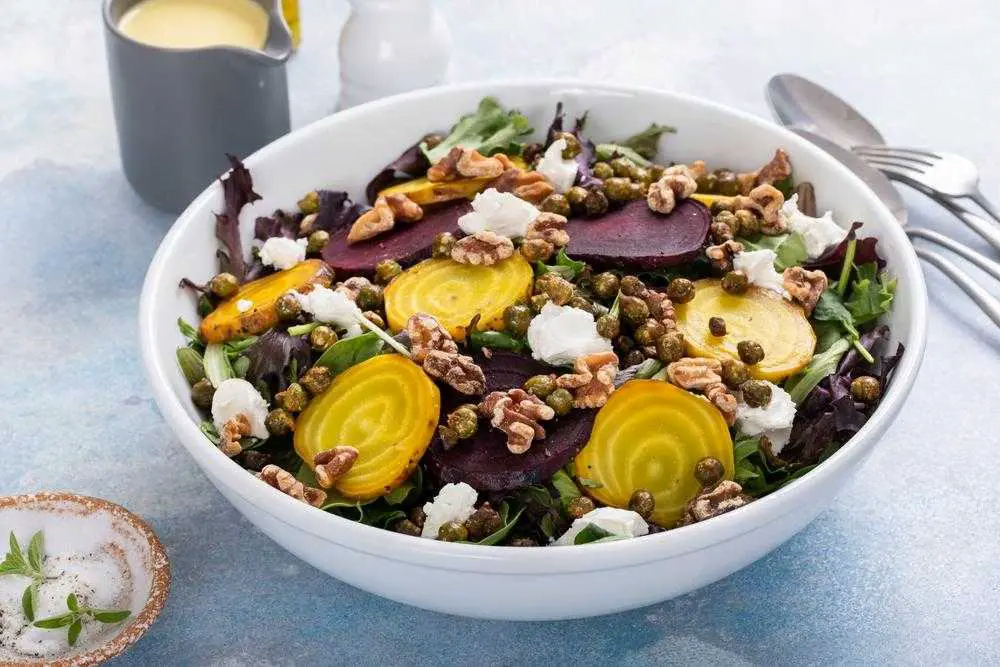
Roasted Beet Salad with Goat Cheese and Walnuts
Ingredients:
- 4 medium beets
- 1 tablespoon of olive oil
- Salt and black pepper to taste
- 4 cups of mixed salad greens
- 1/4 cup of goat cheese, crumbled
- 1/4 cup of walnuts, toasted and chopped
- 1/4 cup of balsamic vinaigrette dressing (you can use a store-bought version or make your own)
For the homemade Balsamic Vinaigrette:
- 1/4 cup of balsamic vinegar
- 1/2 cup of olive oil
- 1 teaspoon of honey
- Salt and black pepper to taste
Instructions:
- Preheat your oven to 400 degrees Fahrenheit (200 degrees Celsius).
- Prepare the beets: Remove the beet greens if still attached, and save them for another use. Scrub the beets clean, then dry them.
- Roast the beets: Place each beet on a piece of aluminum foil. Drizzle with the olive oil, then sprinkle with salt and pepper. Wrap each beet tightly in the foil. Place the wrapped beets on a baking sheet and roast in the oven for about 45-60 minutes, or until the beets are tender when pierced with a fork.
- Cool and peel the beets: Once the beets are cool enough to handle, use your fingers to peel off the skin. It should come off easily. Slice the beets into thin rounds or wedges.
- Prepare the salad: Divide the salad greens between four plates. Top each with the sliced beets, crumbled goat cheese, and toasted walnuts.
- Make the dressing (if homemade): In a small bowl, whisk together the balsamic vinegar, olive oil, and honey until well combined. Season with salt and pepper to taste.
- Dress the salad: Drizzle the balsamic vinaigrette over each salad. Serve immediately.
Enjoy this delicious and healthy beet salad! It’s not only packed with nutritious ingredients but also an easy way to incorporate beets into your diet.