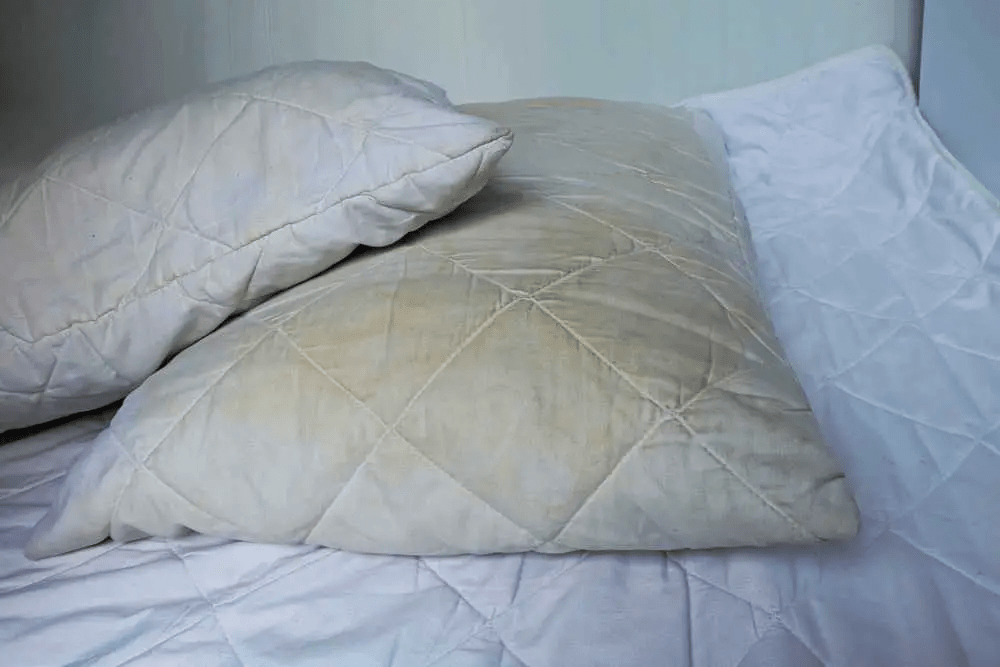
How many of us are guilty of ignoring those yellow stains on our pillows? They might just look gross, but according to Dr. Karan Raj, an NHS surgeon in the UK, these tell-tale signs should not be overlooked.
Who is Dr. Karan Raj?
Dr. Raj has become something of an internet sensation with 3 million followers on TikTok, where he explains complex medical concepts in an easily understandable way. His expertise spans a wide array of topics from the inner workings of the placebo effect to the cause of hair loss during chemotherapy. However, it’s his video on the topic of changing pillows that has left many of his followers stunned.
The yellow stains on your pillows aren’t just unsightly – they’re indicative of a buildup of sweat and body oils. Dr. Raj breaks down the science behind these discolorations, explaining that the moisture trapped in pillows can encourage the growth of mold and bacteria.
Why Changing Your Pillow Matters
Dr. Raj emphasizes the importance of replacing your pillow at least every two years. Here’s why:
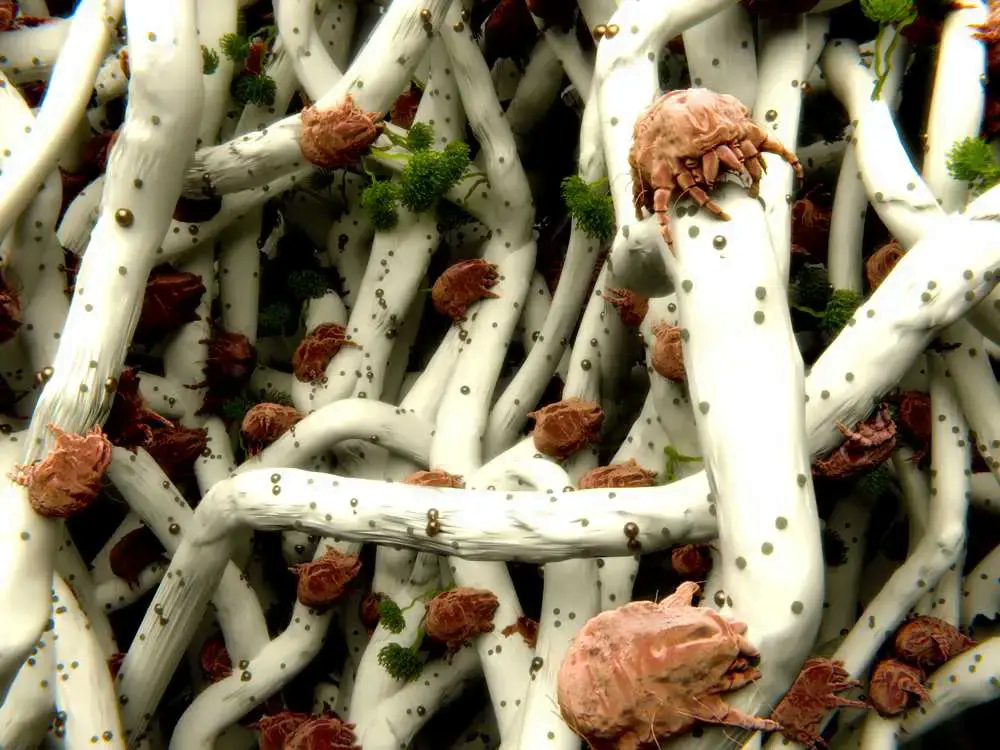
- Skin Shedding: The average person sheds about 4kg of skin every year, most of which ends up on your bed or pillow. This skin shedding is an inviting feast for dust mites, microscopic creatures that thrive in such environments.
- Dust Mite Faeces: Each dust mite leaves about 20 droppings a day. Given that hundreds of mites could be inhabiting your pillow, this amounts to a significant buildup of dust mite faeces. This buildup can trigger breathing problems and allergy-like symptoms.
- Pillow Degradation: Over time, your pillow loses its ability to properly support your neck and spine. If you can fold your pillow in half and it doesn’t spring back, that’s a clear sign your pillow is past its prime.
- Asthma: Dust mites and fungi can trigger asthma attacks. An article published in The Journal of Allergy and Clinical Immunology explained that prolonged exposure to dust mites can even lead to the development of asthma in some individuals.
- Eczema: The American Academy of Dermatology states that dust mites can aggravate eczema in some individuals.
- Allergic Rhinitis: According to the Mayo Clinic, dust mites are common triggers for allergic rhinitis, a condition characterized by sneezing and a runny, stuffy, itchy nose.
- Other Allergies: Dust mite allergens can trigger a range of other allergic reactions, including itchy, red or watery eyes, postnasal drip, cough, facial pressure and pain, swollen, blue-colored skin under your eyes, and a decreased sense of taste or smell.
Tips on Maintaining a Healthier Pillow
It’s not all bad news though. There are steps you can take to ensure your pillows remain fresh, clean, and, most importantly, healthy.
- Regularly Change Pillow Cases: Changing pillow cases frequently can help reduce the buildup of sweat and skin flakes.
- Wash Pillows: Most pillows can be washed either by hand or in a machine, though it’s important to check the care instructions first.
- Air Pillows: Leaving pillows to air, particularly in sunlight, can help kill dust mites.
- Use Pillow Protectors: These can help shield your pillow from sweat, skin flakes, and dust mites.
- Change Your Pillow: Remember to replace your pillow every 1.5-2 years.
The Dual Threat: Dust Mites and Fungi in Your Pillows
Though dust mites have been highlighted as one of the major culprits behind triggering health conditions such as asthma and eczema, they are not the only creatures silently wreaking havoc from within our pillows. Another study uncovers the startling truth about fungal contamination in our bedding.
Uncovering the Fungal Threat
A significant study investigated the fungal presence in pillows that had been in family homes for durations between 18 months and 20 years. The results were both astonishing and disturbing. It was discovered that all the examined pillows were contaminated with numerous varieties of fungi.
The Spectrum of Fungi in Our Pillows
Pillows, due to their constant contact with our bodies and the consequent warmth and humidity they retain, offer an ideal breeding ground for fungi. Fungi are everywhere in our environment, and our pillows provide them a convenient habitat. These organisms can lead to a host of health problems, especially for those with weakened immunity or pre-existing respiratory conditions.
Health Risks from Fungal Contamination
Fungal contamination in pillows can lead to various health complications. Some of these include:
- Allergies: Fungi are notorious for triggering allergic reactions. Symptoms can range from mild, like skin rashes and sneezing, to severe, such as asthma attacks.
- Respiratory Infections: Certain types of fungi, such as Aspergillus, can lead to serious respiratory infections like aspergillosis.
- Sinusitis: Chronic exposure to fungi can result in fungal sinusitis, characterized by symptoms like nasal congestion, sinus headaches, and facial pain.
- Immunocompromised Health Risks: For individuals with compromised immune systems, fungi pose a significantly higher risk. Prolonged exposure can lead to invasive fungal infections, which can be life-threatening.
- Measures to Counteract Fungal Contamination
While the prospect of fungal contamination in our pillows can seem daunting, there are practical measures to keep these organisms in check.
- Regular Pillow Cleaning: Regular and thorough cleaning of pillows can help eliminate fungal spores. Many pillows are machine washable, making this a feasible task.
- Antifungal Pillow Covers: Using antifungal pillow covers can offer a preventive barrier against fungal growth by reducing the accumulation of sweat and skin cells, which fungi feed on.
- Routine Pillow Replacement: Regular replacement of pillows is crucial to maintain a clean sleeping environment and keep fungal contamination at bay. It is recommended to change pillows every 1-2 years.
Dr. Raj’s insights have undoubtedly given many people food for thought. His advice serves as a stern reminder of the importance of changing our pillows regularly. While the idea might initially make us squirm, it’s an easy step towards better health and quality sleep. So, hands up who is going to get new pillows this weekend?