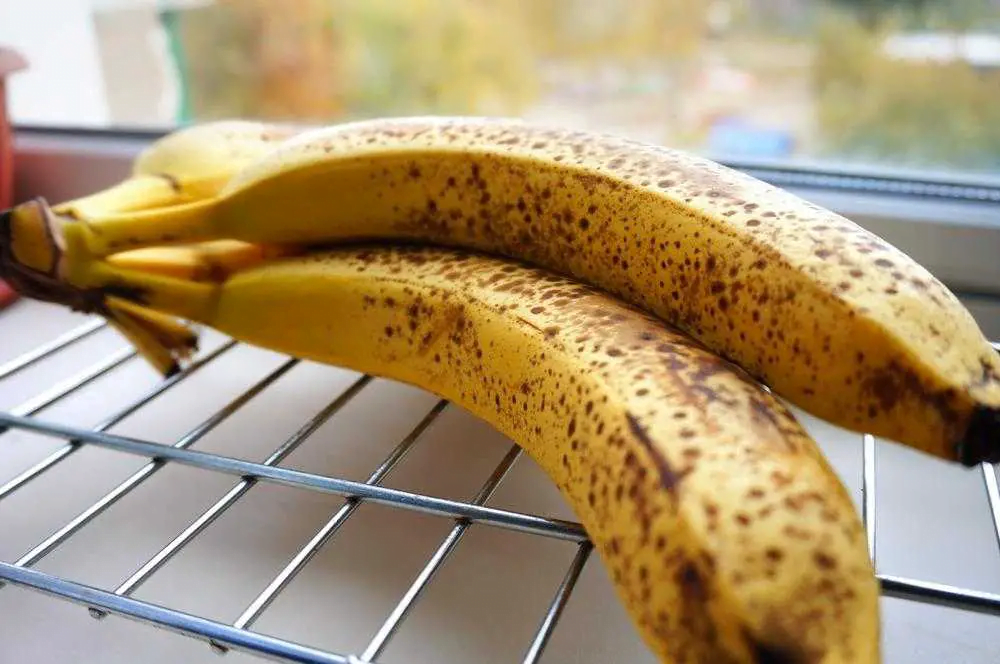
Bananas, the globally beloved fruit or more accurately, berry, clock in an annual production of a staggering 105 million tonnes. Grown on a herb rather than a tree, as often mistaken, bananas are a nutritious and versatile snack. However, these appealing fruits have a rather temperamental nature, staying ripe for only a couple of days. This leads us to two main queries, why do bananas brown so quickly, and more importantly, how can we delay this process?
The Science Behind Bananas Turning Brown

The primary factor responsible for the browning of bananas is an airborne hormone called ethylene. This hormone accelerates the ripening process in fruits. Some fruits and vegetables are mere absorbers of ethylene, but others, like bananas, are active producers.
- Ethylene Producers: Climacteric and Non-Climacteric FruitsProducers of ethylene can be split into two categories – climacteric fruits and non-climacteric fruits. Climacteric fruits, such as bananas, undergo a burst of ethylene production during ripening. On the other hand, non-climacteric fruits like citrus fruits and melons cease producing ethylene once they’re removed from the plant or vine.This distinction means that climacteric fruits continue to ripen after being harvested. When these fruits are stored next to non-climacteric or ethylene-absorbing fruit and vegetables, the latter continue to ripen due to the proximity to the ethylene source.
- The Role of Ethylene in Fruit Ripening Upon contact with ethylene, the acids within the fruit begin to break down, leading to a softening of its flesh and a breakdown of green chlorophyll pigments. This alters the fruit’s appearance, making it softer and sweeter. As ethylene continues to interact with bananas, the yellow pigment breaks down, forming brown spots through a process called enzymatic browning.
Despite their infamous reputation for accelerating the mushiness of your fruit bowl, bananas share this characteristic with several other fruits. Storing ethylene-producing fruits like bananas, apples, and avocados together often leads to overripe produce, a scenario perfect for making banana bread4.
Methods to Delay Bananas Browning
While completely halting the browning process of bananas may be an elusive feat, there are several methods to prolong their ripe state.
- Utilize a Banana Hook Using a banana hook aids in preventing bruising and damage to the fruit’s soft tissue, which would otherwise enhance the effects of ethylene.
- Wrap the Stems in Plastic Supermarkets often use this trick, wrapping the banana stems in plastic wrap. Since the stem of the banana is where most of the ethylene is released from, containing this area prevents the hormone from spreading to the rest of the banana.
- Store in Cool, Dark Places Keeping bananas in a cool, dark place can also prolong their lifespan. Exposure to sunlight encourages the ripening process, and Dole recommends 12°C (54°F) as the ideal temperature for banana storage.However, it’s important to note that storing bananas in an enclosed container may inadvertently increase ethylene levels and speed up ripening.
- Refrigeration: A Controversial Method The practice of storing bananas in the fridge is a contentious one. Freezing bananas for smoothies or ice cream can be effective, but the refrigeration process can induce “chilling injury”. This condition affects pre-ripened bananas, stopping them from ripening further and leading to a bitter, unpleasant taste.Therefore, only perfectly ripe bananas should be refrigerated. Despite their skin rapidly turning dark brown, the fruit inside should maintain its ripe flavor.
- Use Acidic Juice for Cut Banana Slices Cut banana slices tend to brown within seconds. However, the application of an acidic juice like lemon or pineapple can halt this process by neutralizing the banana’s pH.
- Store in Cool, Dark Places Keeping bananas in a cool, dark place can also prolong their lifespan. Exposure to sunlight encourages the ripening process, and Dole recommends 12°C (54°F) as the ideal temperature for banana storage.However, it’s important to note that storing bananas in an enclosed container may inadvertently increase ethylene levels and speed up ripening.
- Refrigeration: A Controversial Method The practice of storing bananas in the fridge is a contentious one. Freezing bananas for smoothies or ice cream can be effective, but the refrigeration process can induce “chilling injury”. This condition affects pre-ripened bananas, stopping them from ripening further and leading to a bitter, unpleasant taste.Therefore, only perfectly ripe bananas should be refrigerated. Despite their skin rapidly turning dark brown, the fruit inside should maintain its ripe flavor.
- Use Acidic Juice for Cut Banana Slices Cut banana slices tend to brown within seconds. However, the application of an acidic juice like lemon or pineapple can halt this process by neutralizing the banana’s pH.
Bananas, despite their fleeting ripeness, continue to be a cherished snack worldwide. Understanding the role ethylene plays in their ripening and eventual browning process is key to prolonging their perfect state. From using a banana hook to adopting correct storage methods, multiple strategies can be employed to enjoy these nutritious fruits for longer. So, while the race against the banana’s browning process may seem a losing battle, armed with the right knowledge, we can enjoy these delightful fruits at their prime for longer.
- https://byjus.com/question-answer/which-fruit-produces-the-most-ethylene/
- https://www.postharvest.com/blog/what-are-climacteric-and-non-climacteric-fresh-produce/
- https://www.britannica.com/story/why-do-bananas-turn-brown
- https://www.bananalink.org.uk/all-about-bananas/
- https://www.realsimple.com/food-recipes/shopping-storing/food/how-to-store-bananas
- https://www.dole.com/en-gb/blog/nutrition/storing-bananas-correctly-dos-and-donts
- https://www.10news.com/how-to-keep-bananas-fresh-so-they-dont-turn-brown