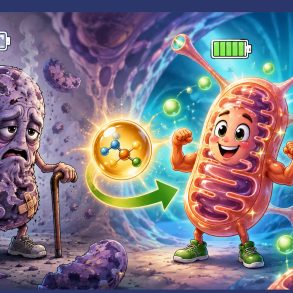


Recent research has unveiled a surprising connection between a single amino acid and the potential for a longer, healthier life. Scientists have discovered that reducing dietary intake of isoleucine, an essential branched-chain amino acid, can increase the lifespan of middle-aged mice by up to 33%. While these findings are still in the early stages, they raise intriguing possibilities for humans and our understanding of aging.
What is Isoleucine and Why Does it Matter?
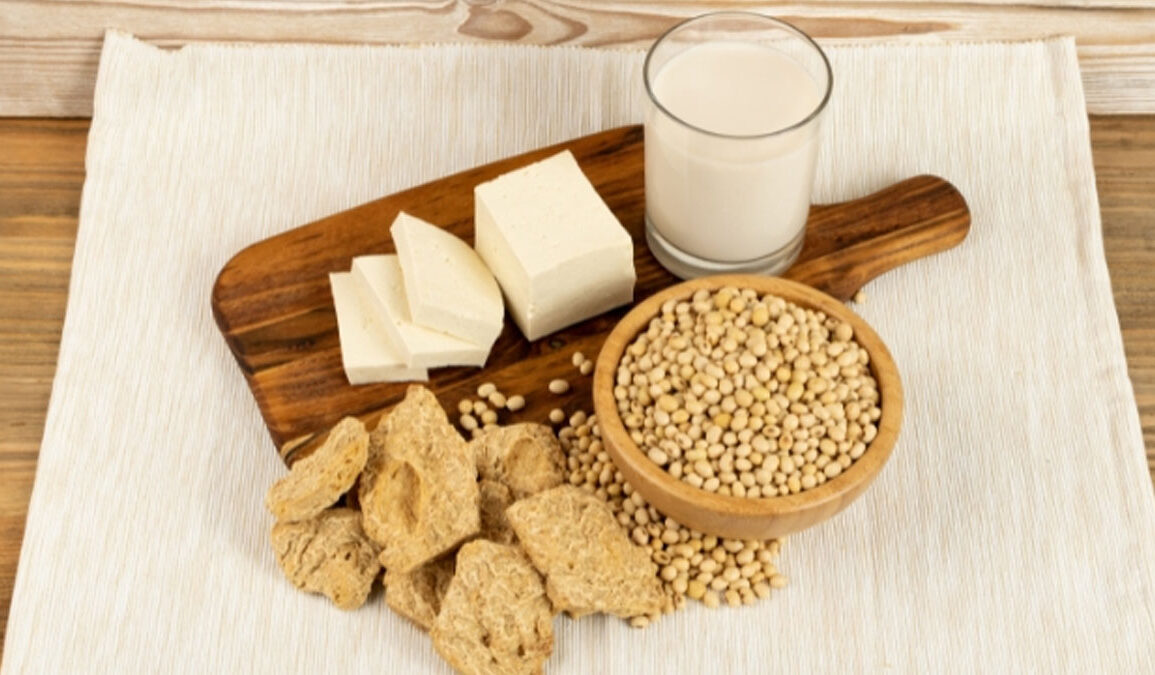
Isoleucine is one of three branched-chain amino acids (BCAAs) essential for building proteins in the body. Since our cells cannot produce it, we must obtain it through our diet. Foods rich in isoleucine include eggs, dairy products, soy protein, meats, lentils, beans, nuts, and whole grains.
While isoleucine is crucial for functions like regulating blood sugar and supporting muscle growth, excessive intake might have unintended consequences. Studies have shown that higher isoleucine levels are associated with obesity and metabolic issues in humans, suggesting that moderation might be key.
In fact, research using data from a 2016-2017 survey of Wisconsin residents revealed that “people with higher BMIs were generally consuming much greater quantities of the amino acid,” according to Dudley Lamming, a metabolism researcher from the University of Wisconsin. He explained, “Different components of your diet have value and impact beyond their function as a calorie, and we’ve been digging in on one component that many people may be eating too much of.”
The Mouse Study: Extending Lifespan by 33%
In a groundbreaking study, scientists at the University of Wisconsin fed genetically diverse mice a diet low in isoleucine while allowing them to eat freely. The results were astonishing:
- Male mice lived 33% longer, and females saw a 7% lifespan increase.
- The mice were healthier overall, with better blood sugar control, reduced frailty, and lower cancer rates.
- Despite eating more calories than the control group, the mice maintained lean body weight and improved metabolism.
These findings suggest that isoleucine restriction triggers significant metabolic changes, leading to improved health and longevity.
Dudley Lamming commented on the study, noting, “It’s interesting and encouraging to think a dietary change could still make such a big difference in lifespan and what we call ‘healthspan,’ even when it started closer to mid-life.” This suggests that it might not be too late for dietary interventions to improve health outcomes, even in middle-aged individuals.
How Does It Work?
Scientists believe isoleucine impacts aging through pathways linked to metabolism and cellular health. Specifically, isoleucine appears to interact with the mTOR (mechanistic target of rapamycin) pathway, a key regulator of aging and metabolism.
The mTOR pathway plays a role in how cells grow, divide, and respond to stress. When isoleucine levels are reduced, the pathway may shift cellular behavior in ways that promote longevity. The mice on the low-isoleucine diet, for example, burned more calories even though their activity levels did not change. “The mice on the reduced isoleucine diet lose adiposity — their bodies got leaner, they lost fat,” Lamming explained.
Interestingly, the study also found that male mice experienced less age-related prostate enlargement, and cancer rates were significantly lower compared to the control group. These observations add to the growing evidence that dietary changes can directly affect age-related diseases.
Can Humans Benefit from Isoleucine Restriction?
While these results are promising, translating them to humans isn’t straightforward. Reducing isoleucine intake through diet alone is challenging because it is present in many protein-rich foods. Researchers are now exploring whether drugs could mimic the effects of isoleucine restriction without requiring strict dietary changes.
“We can’t just switch everyone to a low-isoleucine diet,” said Lamming. “But narrowing these benefits down to a single amino acid gets us closer to understanding the biological processes and maybe potential interventions for humans, like an isoleucine-blocking drug.”
Some existing drugs, like rapamycin, already target the mTOR pathway and show promise in extending lifespan. However, more research is needed to determine if similar pharmaceuticals can replicate the effects of low-isoleucine diets.
Foods High in Isoleucine
If you’re curious about managing your isoleucine intake, here are some of the richest sources:
- Eggs
- Dairy products (milk, cheese, yogurt)
- Chicken and pork
- Fish
- Soy protein
- Beans and lentils
- Nuts and seeds
- Whole grains (like quinoa and oats)
While cutting out these foods entirely isn’t practical (or healthy), reducing reliance on high-isoleucine sources might be beneficial.
The Drawbacks and Unknowns
Before jumping into dietary changes, it’s important to consider the risks:
- Essential for Health: Isoleucine is vital for bodily functions, and severe restriction could cause malnutrition.
- Individual Differences: People’s needs vary based on age, sex, and health status.
- Limited Human Data: Most findings are from mouse studies, and we lack long-term human trials.
Moreover, the dietary complexity that comes with balancing isoleucine intake while ensuring sufficient nutrition could be challenging. As Lamming noted, “Diet is an incredibly complex chemical reaction, and there may be other dietary components involved in producing these results.”
Looking Ahead
The discovery of isoleucine’s role in aging is a significant step forward in longevity research. Scientists hope to refine these findings into practical dietary recommendations or pharmaceutical treatments. For now, focusing on balanced diets and avoiding excessive protein intake might be the safest approach.
As research progresses, isoleucine could become a key target for anti-aging therapies, offering hope for longer, healthier lives. While we’re not at the point of definitive answers yet, this research opens new pathways for understanding how diet impacts aging and lifespan.
HNZ Editor: At this point, we don’t recommend that you use Isoleucine levels as a goal for anti-aging. There are too many interdependencies, too many opportunities to grow weaker or malnourished in the process. Indications are that as science becomes more familiar with the mechanism they may very well find safer and easier ways to get this effect than eliminated major parts of the human diet.