

The Background: Understanding SIRT3
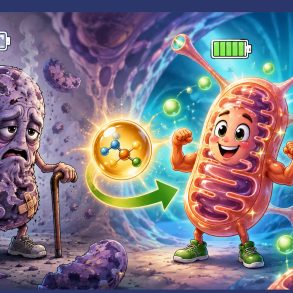
Aging has long been linked to a decline in cellular efficiency, particularly in the mitochondria—the energy-producing “powerhouses” of cells. Central to this process is SIRT3, a mitochondrial enzyme belonging to the sirtuin family, which plays a pivotal role in regulating cellular energy production, stress resistance, and metabolic balance. By maintaining mitochondrial health, SIRT3 supports a longer and healthier lifespan.
Sirtuins rely on a molecule called NAD+ (nicotinamide adenine dinucleotide) to function. NAD+ levels naturally decline with age, which compromises sirtuin activity, including SIRT3. This decline has been implicated in numerous age-related diseases such as Alzheimer’s, Parkinson’s, cardiovascular conditions, and metabolic disorders. While efforts to activate sirtuins have shown promise, identifying effective and reliable activators has been a significant challenge.
How SIRT3 Works: The Enzyme at the Heart of Aging
SIRT3 is crucial for deacetylating mitochondrial proteins, which in turn enhances their efficiency. This deacetylation process governs key pathways like oxidative stress management and ATP production. For example, SIRT3 activates manganese superoxide dismutase (MnSOD), which neutralizes harmful free radicals, reducing oxidative damage within cells.
The enzyme’s reliance on NAD+ presents both an opportunity and a challenge. By boosting SIRT3’s sensitivity to NAD+, researchers can potentially restore its activity to youthful levels, even in aging cells where NAD+ levels are diminished.
The Breakthrough Drug
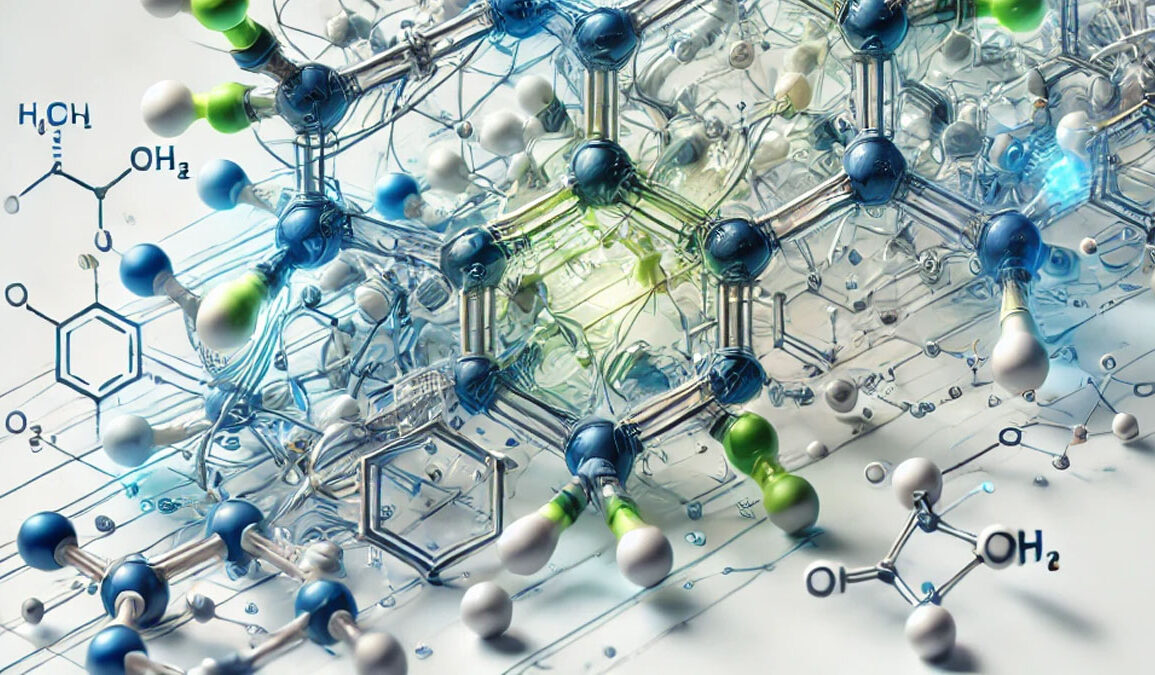
Researchers at CCM Biosciences have achieved a monumental breakthrough with the development of first-in-class SIRT3 activators. Unlike traditional approaches relying on allosteric modulation—a mechanism effective for only a small percentage of proteins—this new method introduces a novel biophysical mechanism. These compounds dramatically increase SIRT3’s sensitivity to NAD+, effectively restoring its activity.
A standout compound, identified as “5689785,” has shown remarkable results in preclinical studies. It doubles the efficiency of SIRT3 in utilizing NAD+ and restores the enzyme’s activity to levels typically observed in younger cells. Importantly, these compounds outperform existing NAD+ supplements and earlier sirtuin activators, such as resveratrol, by maintaining effectiveness under a wide range of physiological conditions.
Clinical Implications and Outlook
CCM’s breakthrough compounds are set to enter clinical trials in 2025, focusing on age-related diseases such as neurodegenerative disorders and cardiovascular conditions. Early studies in animal models have already demonstrated their potential, showing restored fertility in aging mice and improved mitochondrial function in multiple cell lines.
The implications of this innovation extend far beyond treating specific diseases. Enhancing SIRT3 activity could redefine aging by addressing the root causes of cellular decline. Economically, even modest improvements in lifespan and healthspan could save trillions of dollars in healthcare costs and boost productivity.
Challenges and Future Directions
Despite the promise of SIRT3 activation, several hurdles remain. Translating laboratory results to human therapies requires rigorous testing for safety and efficacy. Furthermore, understanding how SIRT3 interacts with other cellular pathways will be critical for optimizing treatment outcomes.
As researchers continue to unravel the complexities of aging, the development of SIRT3 activators marks a pivotal step toward combating age-related cellular decline. By targeting the mitochondria and leveraging the untapped potential of sirtuins, science is moving closer to the elusive goal of healthy aging for all.
The discovery of SIRT3-activating compounds represents a paradigm shift in longevity science. By restoring mitochondrial efficiency and combating cellular decline, these groundbreaking drugs have the potential to redefine how we approach aging and age-related diseases. As clinical trials begin, the world waits with anticipation for what could be the dawn of a new era in medicine and human health.