


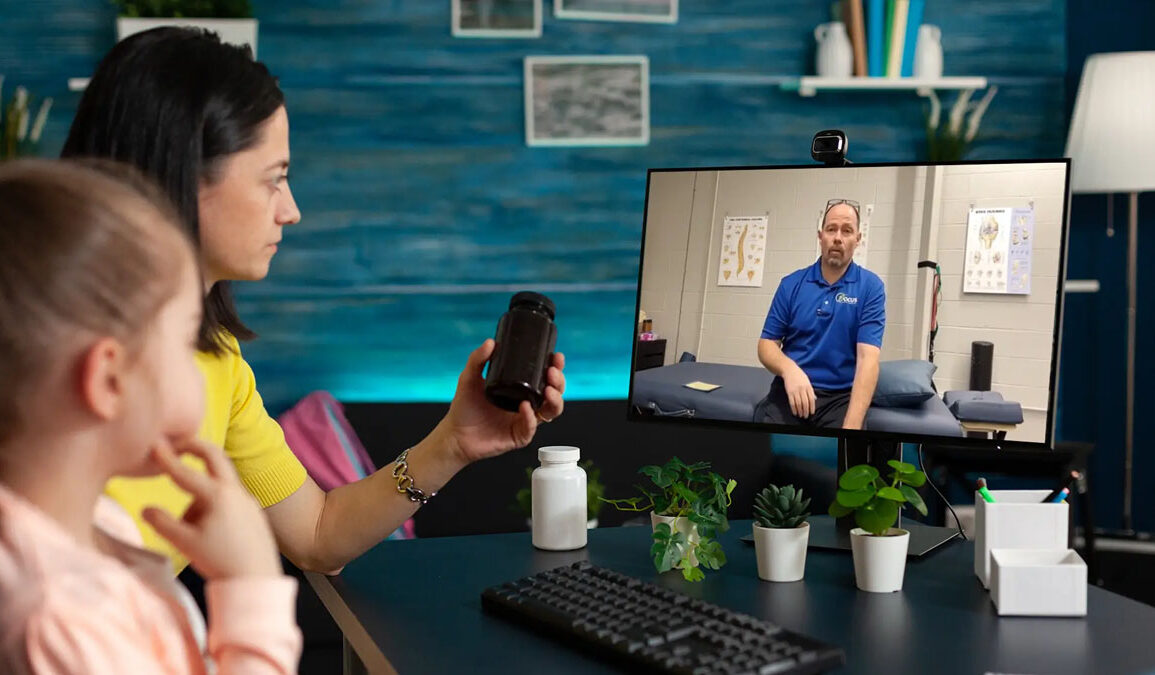
Telehealth, once a niche segment of healthcare delivery, has grown into a vital component of modern medicine. Propelled by necessity during the COVID-19 pandemic, it offered a lifeline to patients when in-person care was inaccessible. Today, telehealth remains a subject of debate: is it the future of healthcare, or are its limitations too significant to overcome?
The Current Status of Telehealth
Telehealth has seen dramatic growth, offering services ranging from mental health support and chronic disease management to consultations for stigmatized conditions like erectile dysfunction and hair loss. Companies such as Ro and Nurx have marketed heavily to a population eager for low-stigma, low-hassle care. “The companies’ advertising typically emphasizes convenience in a healthcare system that’s often just the opposite,” notes Darius Tahir in KFF Health News.
Government policies have also played a critical role. Medicare telehealth flexibilities enacted during the pandemic allowed patients to receive care from home, significantly broadening access. However, these temporary measures are set to expire in 2025 unless Congress acts to extend them. Despite bipartisan support for telehealth, uncertainties about its long-term framework remain. Kyle Zebley, senior vice president of public policy at the American Telemedicine Association, called recent legislative extensions “an important step to avoid disruptions in critical areas of telehealth access.”
Is Telehealth a Good Service or Too Limited?
Telehealth excels in providing accessible, convenient care for non-urgent issues and ongoing management of chronic conditions. Services like online contraceptive prescriptions and virtual mental health sessions empower patients, particularly in underserved areas. For instance, Harley Diamond, a Tennessee resident, successfully obtained birth control through Nurx after local clinics closed. “I signed up to get birth control after seeing an Instagram ad,” Diamond explained, emphasizing how telehealth helped her navigate limited local resources.
Studies reinforce its benefits. Research by Ateev Mehrotra, a professor of public health at Brown University, found that telehealth services generally performed well in providing contraceptive medicines online. However, he noted that the approach “kind of flips what you’re taught at medical school on its head,” with patients initiating requests for specific treatments rather than physicians diagnosing and prescribing.
Despite its strengths, telehealth has significant limitations. Patients often report inconsistent care and difficulties with follow-up. Diamond’s experience with mental health care through Nurx highlights these issues: “It can feel like you’re having to start from scratch explaining yourself to someone new every month,” she shared. Responses to her concerns about medication side effects were slow, and messages frequently went unanswered. These frustrations reflect broader concerns about telehealth’s ability to deliver continuous, high-quality care.
Impact of the COVID-19 Pandemic
The pandemic was a watershed moment for telehealth. Utilization surged as lockdowns and fears of contagion forced healthcare to adapt rapidly. Medicare removed geographic and originating site restrictions, allowing urban and rural patients alike to receive care at home. Telehealth became a lifeline for mental health support, chronic disease management, and even acute care needs. While usage has since declined, it remains significantly higher than pre-pandemic levels.
During this period, the healthcare industry saw dramatic shifts. “There’s an assumption that this is status quo, but there’s no dependable ‘new normal’ for telemedicine,” Mehrotra explained, emphasizing the uncertainty surrounding telehealth’s future. Nonetheless, its potential to improve access and reduce barriers was undeniable. For Medicare beneficiaries, nearly half received at least one telehealth service during the second quarter of 2020, compared to just 6.9% pre-pandemic.
Challenges Facing Telehealth
Despite its benefits, telehealth faces critical challenges:
- Inconsistent Quality: Patients report issues like delayed responses, repetitive questionnaires, and lack of personalized care. In mental health services, many find the absence of face-to-face interaction unsettling. Reshma Ramachandran, a Yale assistant professor, observed, “Continuous care is crucial to make sure mental health patients are on the right doses of medications and that they’re not experiencing side effects.”
- Provider Burden: Telehealth platforms often emphasize productivity over quality, with some clinicians earning as little as $7 per consultation. This incentivizes rushed interactions, increasing the likelihood of errors. Mehrotra criticized this model, noting that “you just want to make sure that that medication is safe for that patient,” reducing clinicians to mere screeners.
- Data Privacy Concerns: Several companies have faced scrutiny for sharing patient data, raising ethical and legal issues about compliance with HIPAA. Patients may be unaware that their data is being used for targeted advertising.
- Regulatory Barriers: Licensing rules require providers to be licensed in the state where the patient resides, complicating care for those traveling or living near state borders. Mehrotra highlighted cases where patients were forced to drive across state lines to receive telehealth services, calling it “Kafkaesque.”
Available and Unavailable Services
Telehealth is effective for:
- Mental health counseling
- Chronic disease management
- Routine follow-ups
- Prescriptions for low-risk conditions
However, it struggles with:
- High-risk or acute care requiring physical examinations
- Complex diagnostics that depend on laboratory tests or imaging
- Procedures requiring physical intervention
Legal Support and Restrictions
Laws like the Consolidated Appropriations Act of 2021 have permanently removed certain restrictions for behavioral telehealth services. However, other pandemic-era flexibilities are set to expire. For example, the requirement for an in-person visit before tele-mental health consultations will return in 2025 unless addressed.
Efforts are underway to modernize telehealth regulations. Bipartisan bills propose extending current flexibilities through 2026, while Medicare Advantage plans have embraced telehealth as part of their offerings. Yet, significant gaps remain, such as unclear rules for cross-state care and inconsistent reimbursement rates. Alye Mlinar, executive director of Telehealth Access for America, expressed hope that lawmakers will “unlock the full potential of telehealth.”
Telehealth holds immense promise but is not without its challenges. It excels in convenience and accessibility, especially for non-urgent care, but struggles to replace the depth and nuance of in-person interactions for complex cases. Policymakers and healthcare providers must work together to address its limitations, ensuring telehealth evolves into a complementary component of a holistic healthcare system. The pandemic demonstrated telehealth’s potential; now, it’s time to solidify its role in the future of medicine. As Mehrotra stated, “Based on what we’ve learned about how telemedicine has improved access and quality at relatively low cost, it makes sense to make these changes permanent.”