


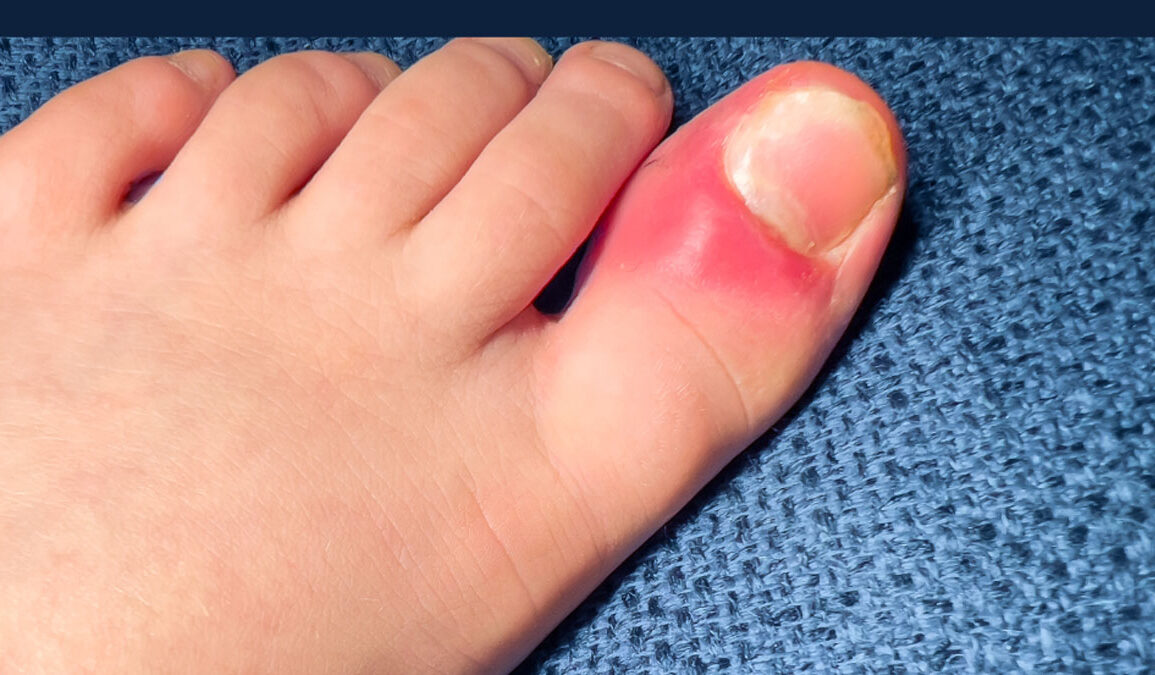
What is an Ingrown Toenail?
An ingrown toenail occurs when the edge or corner of a toenail grows into the surrounding soft flesh. This can cause discomfort, swelling, redness, and even infection. While any toenail can become ingrown, it most commonly affects the big toe. The condition can range from mildly irritating to severely painful, sometimes leading to complications that require medical attention.
The Problem with Ingrown Toenails
Ingrown toenails are more than just a nuisance. They can cause significant pain and limit mobility, making it difficult to walk or wear shoes comfortably. If left untreated, an ingrown toenail can lead to an infection that spreads beyond the toe. People with diabetes or circulatory problems are at a higher risk of complications, as poor blood flow can slow healing and increase the likelihood of infection.
Causes of Ingrown Toenails
Several factors contribute to the development of ingrown toenails, including:
- Improper Nail Trimming: Cutting toenails too short or rounding the edges can encourage the nail to grow into the skin.
- Tight-Fitting Shoes: Shoes that squeeze the toes, such as high heels or narrow footwear, put pressure on the nails, increasing the risk of ingrowth.
- Toe Injuries: Stubbing a toe, dropping a heavy object on it, or repetitive pressure from activities like running or kicking can lead to an ingrown toenail.
- Genetics: Some people naturally have curved or thick nails that are more prone to growing into the skin.
- Poor Foot Hygiene: Keeping feet excessively damp or failing to clean and trim nails properly can increase the risk.
Treatment Options
The treatment for an ingrown toenail depends on its severity. Mild cases can often be managed at home, while severe or infected ingrown nails may require medical intervention.
At-Home Remedies
For minor ingrown toenails, try these home treatments:
- Soak Your Foot: Soak the affected toe in warm water with Epsom salt for 10-15 minutes, 2-3 times a day, to soften the skin and reduce inflammation.
- Lift the Nail: Gently lift the ingrown edge of the nail and place a small piece of cotton or dental floss underneath to encourage it to grow above the skin.
- Apply Antibiotic Ointment: To prevent infection, apply an over-the-counter antibiotic ointment and cover the area with a bandage.
- Wear Comfortable Shoes: Opt for open-toed shoes or ones with a wide toe box to avoid pressure on the nail.
- Take Pain Relievers: Non-prescription pain relievers like ibuprofen or acetaminophen can help reduce pain and swelling.
Medical Treatments
If the ingrown toenail is severe, infected, or doesn’t improve with home care, a doctor may recommend:
- Partial Nail Removal: The doctor trims or removes the part of the nail that is growing into the skin. This is done under local anesthesia.
- Total Nail Removal (Nail Avulsion): In extreme cases, the entire nail may need to be removed to allow for proper healing.
- Ablation: To prevent recurrent ingrown toenails, a doctor may apply a chemical or electric current to the nail bed to stop the nail from regrowing.
- Antibiotics: If an infection is present, oral or topical antibiotics may be prescribed.
Complications of Ingrown Toenails
If left untreated, an ingrown toenail can lead to:
- Infections: Bacteria can enter the broken skin, leading to pus, swelling, and increased pain.
- Cellulitis: A skin infection that can spread beyond the toe, requiring medical treatment.
- Osteomyelitis: In rare cases, the infection can spread to the bone, a serious condition requiring antibiotics or surgery.
- Chronic Pain and Scarring: Repeated infections and improper treatment can cause long-term damage to the nail and surrounding tissue.
Prevention Tips
Preventing ingrown toenails is easier than treating them. Follow these simple steps to keep your toenails healthy:
- Trim Toenails Properly: Cut nails straight across and avoid rounding the edges.
- Keep Nails at a Moderate Length: Don’t cut nails too short—keep them just even with the tips of your toes.
- Wear Proper Footwear: Choose shoes that allow your toes to move freely and avoid tight or pointy shoes.
- Practice Good Foot Hygiene: Keep feet clean and dry, and regularly inspect nails for signs of ingrowth.
- Protect Your Toes: If you participate in activities that put your toes at risk, such as sports or heavy labor, wear protective footwear.
When to See a Doctor
Seek medical attention if:
- The ingrown toenail is causing severe pain or pus is present.
- Redness and swelling are spreading beyond the toe.
- You have diabetes or circulation problems and notice any foot sores or infections.
Conclusion
Ingrown toenails are a common yet potentially painful condition. Fortunately, with proper care and preventive measures, most cases can be managed at home. If pain or infection develops, seek medical treatment to prevent complications. By trimming your nails correctly, wearing well-fitting shoes, and practicing good foot hygiene, you can reduce your risk of developing ingrown toenails in the future.