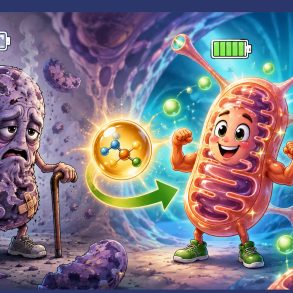



For decades, scientists have debated the fundamental causes of aging. Two dominant theories have emerged: the somatic mutation theory, which suggests that aging results from the accumulation of random DNA mutations, and the epigenetic clock theory, which attributes aging to predictable chemical modifications of DNA that influence gene expression.
Now, groundbreaking research from the University of California San Diego, published in Nature Aging, has revealed that these two seemingly distinct processes are actually linked. This discovery challenges conventional anti-aging strategies and could redefine how we approach longevity.
The Link Between DNA Mutations and Epigenetic Changes
The epigenetic clock theory has long been used as a reliable measure of biological age, as it tracks chemical changes to DNA—such as DNA methylation—that accumulate over time. These modifications influence gene expression but do not alter the DNA sequence itself. Unlike genetic mutations, epigenetic changes have been seen as reversible, making them a prime target for anti-aging interventions.
However, UC San Diego researchers analyzed genetic data from 9,331 individuals and discovered that random DNA mutations drive epigenetic modifications, not the other way around. Their study found that a single genetic mutation could trigger widespread epigenetic changes across the genome, suggesting that mutations may be the root cause of aging rather than just a side effect.
“Epigenetic clocks have been around for years, but we’re only now beginning to answer the question of why epigenetic clocks tick in the first place,” said lead researcher Zane Koch, a Ph.D. candidate in bioinformatics at UC San Diego.
Implications for Anti-Aging Strategies
Many current anti-aging efforts focus on reversing epigenetic changes, under the assumption that aging is primarily governed by the epigenetic clock. Companies and research institutions have invested heavily in therapies designed to reset these modifications, hoping to slow or even reverse biological aging.
However, if genetic mutations are the primary drivers of aging, simply targeting epigenetic modifications may not be enough. Instead, efforts may need to focus on preventing or repairing mutations—a significantly more complex challenge.
“If somatic mutations are the fundamental driver of aging and epigenetic changes simply track this process, it’s going to be a lot harder to reverse aging than we previously thought,” explained Dr. Steven Cummings, co-author and senior research scientist at Sutter Health’s California Pacific Medical Center Research Institute.
A New Direction for Aging Research
This study shifts the perspective on aging from a process that can be easily manipulated to one that is driven by random, cumulative damage over time. While epigenetic modifications may still play a role in how aging manifests, they are now seen as a consequence of mutations rather than an independent cause.
Further research is needed to fully explore how these findings can shape future anti-aging therapies. If scientists can develop methods to prevent or repair DNA mutations before they trigger epigenetic changes, we may unlock new, more effective strategies to slow down the biological clock.
In the meantime, this discovery serves as a reminder that aging is a complex, multifaceted process—one that requires a deeper understanding of its true molecular mechanisms before we can hope to reverse it.