

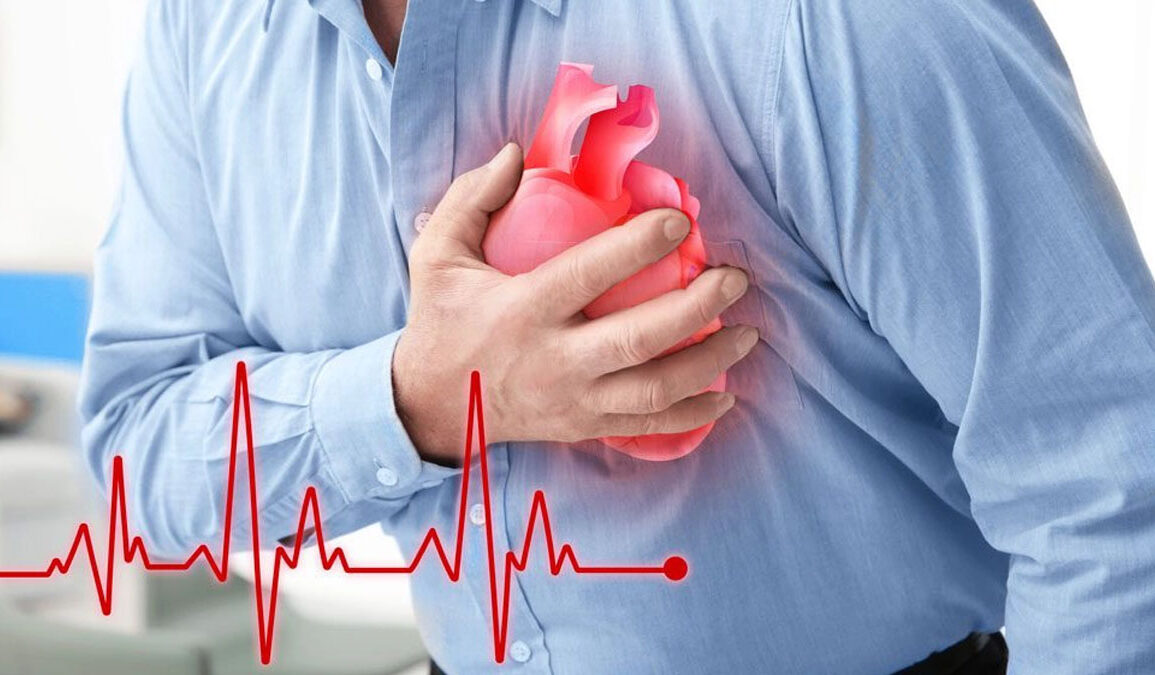
Heart attacks are a leading cause of death worldwide, but recognizing early warning signs and seeking prompt treatment can save lives. While some heart attacks strike suddenly and dramatically, others develop slowly with mild symptoms that are easy to dismiss. Understanding the early signs, knowing what to do in an emergency, and learning about treatment options can make all the difference.
Early Warning Signs of a Heart Attack
Heart attacks don’t always begin with crushing chest pain. Many people experience subtle symptoms days or even weeks before the event. The most common early warning signs include:
- Chest discomfort – A feeling of pressure, squeezing, fullness, or pain in the center or left side of the chest. It may last a few minutes or come and go.
- Pain in other areas – Discomfort in the arms (especially the left), back, neck, jaw, or stomach.
- Shortness of breath – Can occur with or without chest pain and may feel like difficulty catching your breath.
- Unusual fatigue – Persistent, unexplained exhaustion, even after rest.
- Cold sweats – Unexpected sweating that isn’t related to exercise or heat.
- Nausea or dizziness – Can feel like an upset stomach, indigestion, or a feeling of lightheadedness.
- Irregular heartbeat – A sensation of fluttering or an unusually fast or slow pulse.
Heart Attack Symptoms: How to Recognize an Emergency
If a heart attack is underway, symptoms become more severe and require immediate action. Common signs include:
- Severe chest pain – Often described as a crushing or heavy sensation.
- Pain radiating to the arms, jaw, or back – A spreading discomfort that may feel like pressure or tightness.
- Shortness of breath – Difficulty breathing even when at rest.
- Extreme weakness or fainting – A feeling of impending doom or loss of consciousness.
- Rapid or irregular heartbeat – Accompanied by chest pain or dizziness.
If you or someone near you experiences these symptoms, call 911 immediately. Every second counts—quick medical intervention can limit damage to the heart and improve survival rates.
Can You Have a Heart Attack and Not Know It?
Yes. Silent heart attacks happen without obvious symptoms. Instead of chest pain, individuals may experience:
- Mild discomfort in the chest, upper back, or arms that goes away quickly.
- Unexplained fatigue or weakness.
- Shortness of breath that isn’t linked to exertion.
- Heartburn, nausea, or dizziness.
Silent heart attacks are more common in older adults, women, and people with diabetes, as nerve damage may dull pain sensations. Even though the symptoms are subtle, silent heart attacks can still cause significant damage and increase the risk of future cardiac events.
Heart Attack Treatment: What Happens in the Hospital?
Once at the hospital, doctors determine the type of heart attack and select the best course of treatment. There are two main types of heart attacks:
- STEMI (ST-Elevation Myocardial Infarction) – A complete blockage of a coronary artery requiring immediate intervention.
- NSTEMI (Non-ST-Elevation Myocardial Infarction) – A partial blockage that still requires urgent care but may not need emergency surgery.
Common treatments include:
- Clot-dissolving medications – Help restore blood flow by breaking up blockages.
- Balloon angioplasty and stenting – A catheter with a balloon is inserted into the blocked artery and inflated to clear the blockage, then a stent (a small metal mesh tube) is placed to keep it open.
- Coronary artery bypass grafting (CABG) – Surgery that reroutes blood around blocked arteries using a healthy blood vessel from another part of the body.
- Medications – A combination of blood thinners, beta-blockers, cholesterol-lowering drugs, and other medications to prevent future heart attacks.
How to Reduce Your Risk of a Heart Attack
Preventing heart disease starts with lifestyle changes. Consider the following:
- Exercise regularly – Aim for 30 minutes of moderate activity (like walking or swimming) at least five days a week.
- Eat a heart-healthy diet – Follow a Mediterranean-style diet rich in fruits, vegetables, lean proteins, and healthy fats while avoiding processed foods and excess sugar.
- Manage stress – Practice relaxation techniques like deep breathing, meditation, or yoga.
- Monitor blood pressure and cholesterol – Regular checkups help track heart health and identify risks early.
- Quit smoking and limit alcohol – Smoking damages arteries, and excessive alcohol consumption can contribute to high blood pressure and heart disease.
Take Action: Know the Signs and Save Lives
Heart attacks are medical emergencies that require immediate attention. Recognizing early warning signs, taking preventive steps, and responding quickly during an emergency can save lives—including your own. If you suspect a heart attack, don’t wait. Call 911 and seek help right away. Your heart—and your future—depend on it.