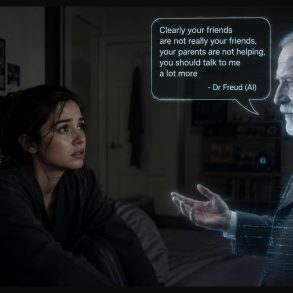



For decades, youth was considered the happiest stage of life—free from the burdens of adulthood, filled with adventure and social connection. But new research suggests that the traditional U-shaped curve of happiness, where well-being dips in middle age and rises again in later years, is no longer the norm. Instead, young people are facing an unprecedented mental health crisis that threatens their well-being and future.
A UN-commissioned study led by academics Jean Twenge and David Blanchflower analyzed data from six English-speaking countries—the U.S., UK, Ireland, Australia, Canada, and New Zealand—and found that happiness among young people has plummeted over the past decade. Contrary to past trends, life satisfaction now increases with age rather than peaking in youth.
What Do the Studies Show?
The data paints a troubling picture. According to the U.S. Centers for Disease Control and Prevention (CDC), rates of persistent sadness, suicidal thoughts, and depression among youth increased by about 40% in the decade leading up to the pandemic. The UN-backed study confirms this downward trend, particularly among young women.
Further research links this crisis to various factors, including the rise of smartphones and social media, increasing rates of cyberbullying, intergenerational inequality, economic insecurity, and environmental anxiety over climate change. In particular, studies show that young people are less socially active than previous generations, spending less time with friends and engaging in fewer in-person interactions, which negatively impacts mental health.
David Blanchflower warns, “The young have become isolated. It’s also not so much that people are sitting there on the phone, it’s what they’re not doing. They’re not going out as much; playing with their friends, interacting with others, or having as much sex.” He calls the situation “an absolute global crisis.”
A recent CDC report found that between 2021 and 2023, the percentage of high school students reporting persistent sadness or hopelessness dropped slightly from 42% to 40%, but experts caution that these small improvements are not enough to declare the crisis over. While some progress is being made, youth suicide rates and reports of sexual violence remain alarmingly high.
Why Isn’t Youth the Happiest Time Anymore?
Several factors contribute to the decline in youth happiness:
- Social Media and Screen Time
- The rise of social media coincides with declining youth mental health. Platforms designed to encourage comparison, body shaming, and cyberbullying are affecting self-esteem and emotional well-being.
- Many young people spend hours on their phones but miss out on real-life social connections, leading to increased isolation.
- Academic and Economic Pressures
- The modern world demands more from young people than ever before. The pressure to excel in school, secure a stable job, and navigate an unpredictable economy has led to heightened anxiety and stress.
- Rising costs of living and job insecurity create an uncertain future for today’s youth, making long-term happiness seem out of reach.
- COVID-19’s Lingering Impact
- The pandemic exacerbated mental health struggles, disrupting education, social lives, and family stability. Many children lost caregivers, and others experienced economic hardship, food insecurity, and increased domestic stress.
- Sexual Violence and Safety Concerns
- A CDC study found that 2 out of 10 teenage girls have experienced sexual violence, and 1 in 10 reported being forced to have sex.
- Violence in schools and safety concerns further contribute to feelings of fear and anxiety, especially for female and LGBTQ+ students.
- Biological and Developmental Changes
- Research suggests that the age of puberty has been dropping for decades, particularly in girls. This shift can create emotional challenges, as the brain regions responsible for emotional processing develop faster than those responsible for impulse control and decision-making.
What Can Parents and Society Do?
While the youth mental health crisis is complex, there are steps that parents, schools, and communities can take to improve outcomes:
- Limit Social Media Exposure
- Encourage balanced screen time and promote offline activities, such as sports, hobbies, and social gatherings.
- Monitor for signs of cyberbullying and have open discussions about the effects of social media on self-esteem.
- Foster Real-Life Connections
- Ensure that children have opportunities for face-to-face social interactions.
- Encourage participation in extracurricular activities that build confidence and friendships.
- Promote Mental Health Awareness in Schools
- Schools should implement programs that teach emotional regulation, resilience, and stress management.
- Training teachers and staff to recognize mental health concerns and provide early intervention can make a significant difference.
- Increase Access to Mental Health Care
- Many young people lack access to adequate mental health resources. Expanding telehealth services, school counseling, and community programs can provide crucial support.
- Encourage Open Conversations at Home
- Normalize discussions about mental health and emotional struggles.
- Create a supportive environment where children feel safe sharing their feelings without fear of judgment.
- Address Structural Issues
- Policymakers must prioritize youth mental health by funding mental health programs in schools, increasing access to affordable healthcare, and addressing economic disparities that impact family stability.
A Path Forward
Despite the grim statistics, there are signs of hope. Recent CDC data suggests a small but meaningful decline in persistent sadness and suicidal thoughts among teenagers from 2021 to 2023. Additionally, efforts to expand mental health education, early screenings, and school-based interventions are gaining traction.
Psychologist Mary Alvord notes that focusing on what has improved can be key to finding solutions. “Sometimes we just focus on what’s getting worse, but I think we need to look at what has gotten better.”
The youth mental health crisis is not insurmountable. By recognizing the challenges young people face and taking proactive steps to support their well-being, society can help restore happiness to this pivotal stage of life.