

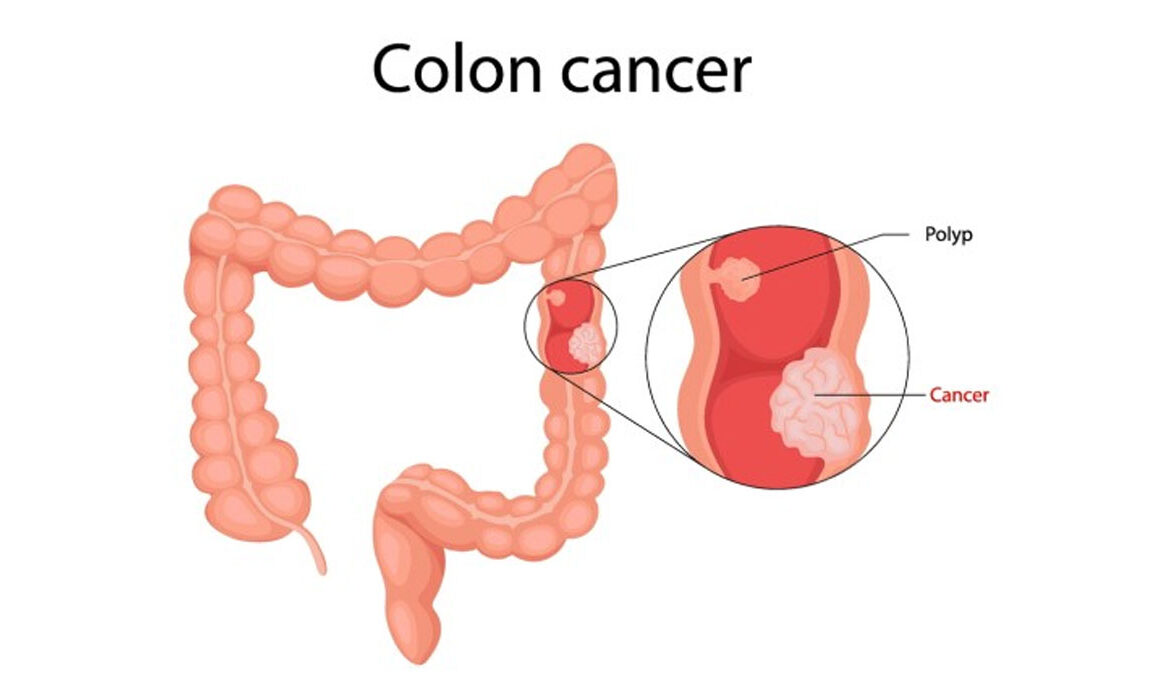
A new study from the University of Toronto suggests that low-carb diets could increase the risk of colorectal cancer. Researchers found that a combination of low-fiber, low-carb diets and certain gut bacteria, particularly Escherichia coli (E. coli), led to an increase in polyps—growths in the colon that can develop into cancer. As low-carb diets such as the keto diet continue to rise in popularity, these findings raise serious concerns about their long-term health implications.
Who Conducted the Study and What Were the Findings?
Researchers at the University of Toronto examined the relationship between diet, gut bacteria, and colorectal cancer risk. They used mice to study three diet types—low-carb, normal, and Western-style (high in fat and sugar)—and introduced three bacterial strains commonly linked to colorectal cancer: Bacteroides fragilis, Helicobacter hepaticus, and E. coli.
The results showed that only the combination of a low-carb diet and E. coli significantly increased polyp formation in the mice. The presence of E. coli in these mice led to a thinner protective mucus barrier in the colon, allowing bacterial toxins to damage DNA and increase the risk of colorectal cancer. The study, published in Nature Microbiology, revealed that E. coli is present in 60% of colorectal cancer cases.
Statistical Insights on Colorectal Cancer and Low-Carb Diets
Colorectal cancer is one of the most commonly diagnosed cancers in the United States, with an estimated lifetime risk of 1 in 24 for men and 1 in 26 for women. Alarmingly, cases among younger adults are rising. Between 1999 and 2020, colorectal cancer rates increased by:
- 71% in adults aged 30 to 34
- 58% in adults aged 35 to 39
The Centers for Disease Control and Prevention (CDC) reports that colorectal cancer has a five-year survival rate of approximately 64.4%, highlighting the importance of early detection and preventive measures.
How Low-Carb Diets Contribute to Cancer Risk
The study suggests that low-carb diets increase colorectal cancer risk by altering gut microbiome balance and weakening the protective mucus layer in the colon. The main mechanisms include:
- Reduced Mucus Protection – The low-carb diet thinned the mucus layer that shields colon cells, making them more vulnerable to harmful bacterial toxins.
- Bacterial DNA Damage – E. coli in a low-carb, low-fiber environment produced colibactin, a toxin known to damage DNA and promote tumor growth.
- Increased Inflammation – A lack of fiber in the diet led to higher inflammation levels, which is a known contributor to cancer development.
- Cellular Aging (Senescence) – The combination of E. coli and a low-carb diet accelerated cell senescence, increasing the likelihood of cancerous transformations.
Age Groups Most Affected by Colorectal Cancer
While colorectal cancer was historically more common in older adults, the trend has shifted. The greatest increases in cases are occurring among individuals in their 30s and 40s. The reasons for this are still being studied, but dietary factors, gut microbiome changes, and environmental influences are all potential contributors.
Precautions to Reduce Colorectal Cancer Risk
While more research is needed to fully understand the risks of low-carb diets in humans, individuals can take several steps to reduce their colorectal cancer risk:
- Increase Fiber Intake – Consuming more fiber-rich foods like fruits, vegetables, and whole grains can strengthen the mucus barrier in the gut.
- Avoid Excessive Processed Meats – Reducing red and processed meat consumption can lower cancer risk.
- Limit Alcohol and Smoking – Both are known carcinogens that contribute to multiple cancer types, including colorectal cancer.
- Monitor Gut Health – Probiotics and prebiotics can help maintain a healthy gut microbiome and prevent harmful bacteria from thriving.
- Regular Screening – Routine colonoscopies can detect and remove polyps before they become cancerous, especially for those with a family history of colorectal cancer.
The University of Toronto researchers plan to explore which types of fiber provide the most protection against colorectal cancer. Their findings suggest that soluble fibers such as inulin, pectin, and beta-glucan—found in grains, fruits, and vegetables—may help counteract the negative effects of a low-carb diet.
Dr. Marianne Cusick, a colorectal surgeon at UTHealth Houston, emphasized that this research is still in its early stages, but it provides a compelling case for dietary modifications. Meanwhile, Dr. Nilesh Vora, an oncologist at the MemorialCare Todd Cancer Institute, called the findings “hypothesis-generating,” suggesting that more studies are needed to confirm these results in humans.
While low-carb diets have been widely adopted for weight loss and metabolic benefits, this new research suggests they may have unintended consequences for colorectal cancer risk. Maintaining a balanced diet that includes adequate fiber intake is crucial for gut health and cancer prevention. As scientists continue to explore the complex relationship between diet and cancer, individuals should consider dietary choices carefully and stay informed on the latest research developments.
HNZ Editor: Remember that ANY cancer can be treated and cured if it is found early enough. If you have a family history of colorectal cancer, might be a good idea to get screened more often.