


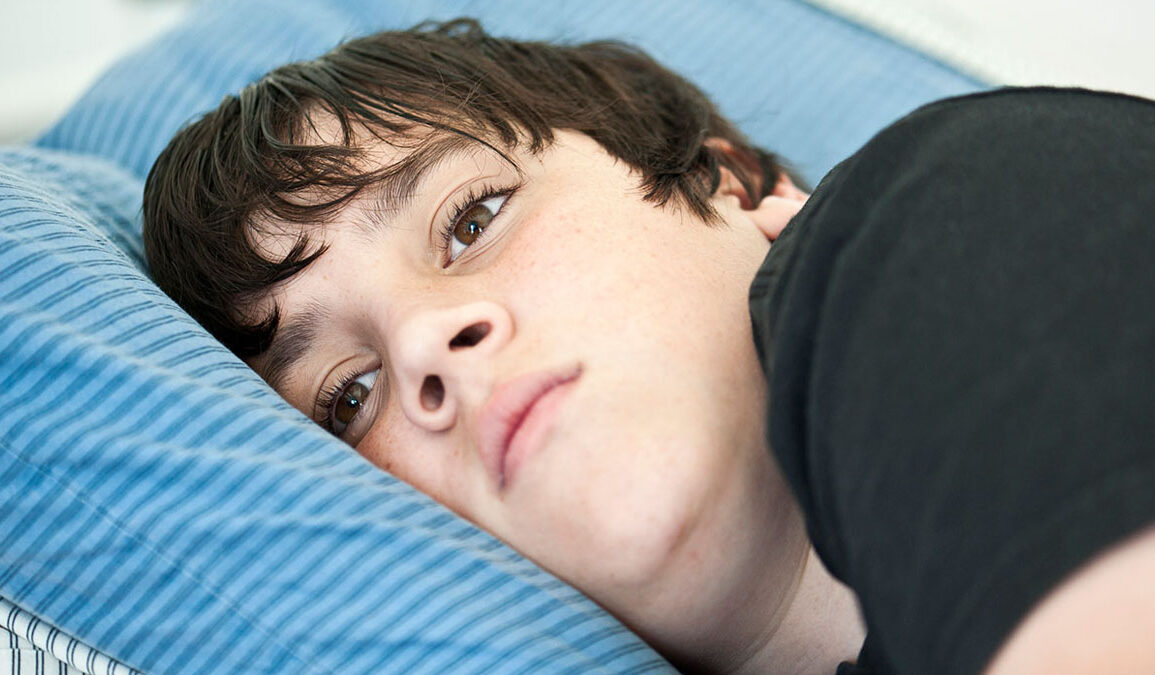
Sleep is not just a time for rest—it’s a crucial period of brain development, especially in children. While adults can recover from a few nights of lost sleep, research shows that children cannot. Inadequate or disrupted sleep during childhood has long-term consequences that can impact a child’s emotional regulation, learning ability, memory, and even their mental health.
Pediatricians, neuroscientists, and sleep specialists are sounding the alarm about the dangers of sleep deprivation in children. As modern distractions like digital screens, inconsistent routines, and academic pressures keep kids up later, more children are paying the price with their health and brain development.
Why Sleep Matters for the Developing Brain
Sleep plays a critical role in the growth and function of a child’s brain. While asleep, the brain strengthens the connections between neurons, stores information learned during the day, and clears out waste products. These processes are essential for memory, attention, mood regulation, and learning.
Studies also show that during sleep, the body produces hormones that are vital for physical growth and immune function. This makes quality sleep an essential part of a child’s overall development, not just a time-out from the day.
What Happens When Children Don’t Get Enough Sleep?
When children don’t sleep enough or go to bed too late, the consequences can be serious. Researchers from a 2024 study found that sleep deprivation in children was associated with changes in a part of the brain called the amygdala. The amygdala is responsible for processing emotions, and when sleep is disrupted, this region becomes smaller and less connected to other parts of the brain that help regulate mood and stress.
Some common effects of sleep deprivation in children include:
- Impaired memory and learning: Tired brains struggle to store and recall information, making it harder for children to succeed in school.
- Emotional instability: Sleep-deprived children are more likely to experience irritability, tantrums, and mood swings.
- Hyperactivity and poor focus: Unlike adults, overtired children often appear more energetic, not less. This can resemble symptoms of ADHD.
- Behavioral problems: Chronic lack of sleep can cause impulsive behavior, poor decision-making, and trouble managing frustration.
- Increased risk of mental health disorders: Poor sleep is linked to depression, anxiety, and other mood disorders.
Long-Term Impact of Sleep Loss on the Brain
Sleep is especially important during early childhood because that’s when the brain is growing most rapidly. If sleep is interrupted during this time, the brain may not develop properly. One 2024 study showed that children from low-income families were more likely to have irregular sleep patterns and shorter sleep duration. These children showed signs of reduced emotional control and increased risk of mental health problems later in life.
Another study from the University of North Carolina found that children’s brains cannot “make up” for lost sleep the way adults can. If a child consistently misses sleep, their brain development may be permanently affected. The study also showed that sleep loss impacted proteins linked to learning and memory—and those same proteins are tied to autism risk, raising concerns for children already genetically vulnerable.
Recommended Sleep by Age
The American Academy of Sleep Medicine provides the following guidelines for how much sleep children need:
- Infants (4–12 months): 12–16 hours (including naps)
- Toddlers (1–2 years): 11–14 hours (including naps)
- Preschoolers (3–5 years): 10–13 hours (including naps)
- School-age children (6–12 years): 9–12 hours
- Teenagers (13–18 years): 8–10 hours
Falling short of these recommendations—even by just one or two hours a night—can lead to significant problems over time.
Common Sleep Problems in Children
There are several sleep issues that can disrupt a child’s rest, including:
- Behavioral insomnia: Children rely on a parent to fall asleep and struggle to do so independently.
- Sleep apnea: Loud snoring, gasping, or breathing pauses during sleep may signal obstructed airways.
- Restless leg syndrome: Uncomfortable leg sensations cause a child to move frequently and wake up.
- Nighttime awakenings: Frequent waking may be due to anxiety, discomfort, or undiagnosed disorders.
Parents should speak to a pediatrician if their child experiences any of these issues regularly.
Warning Signs of a Sleep Disorder
Some symptoms may point to a more serious sleep disorder. These include:
- Loud or frequent snoring
- Gasping or pauses in breathing during sleep
- Waking up tired despite sleeping the recommended number of hours
- Trouble focusing, irritability, or behavioral outbursts during the day
If these signs are present, a referral to a pediatric sleep specialist may be necessary.
How Screens and Environment Affect Sleep
One of the biggest culprits behind poor sleep is screen time. Exposure to digital screens before bed suppresses melatonin, the hormone that helps regulate the body’s internal clock. The blue light from phones, tablets, and TVs delays the sleep cycle, making it harder for children to fall asleep and stay asleep.
Environmental issues also matter. Children who live in noisy or crowded homes may find it harder to get restful sleep. Neighborhood noise, poor-quality mattresses, and excessive light or heat can disrupt sleep patterns, especially in low-income households.
Supporting Better Sleep Habits
Helping a child sleep well starts with a consistent bedtime routine. Pediatricians recommend the following steps:
- Set a bedtime and stick to it, even on weekends
- Begin winding down one hour before bed
- Avoid screens and high-energy play during this time
- Engage in calm activities like reading, stretching, or quiet music
- Keep the bedroom cool and dark
- Reserve the bed only for sleep
Daytime habits also impact nighttime sleep. Children should get daily outdoor time, physical activity, and eat a balanced diet low in sugar and caffeine. Regular exposure to sunlight helps reset the body’s natural sleep-wake cycle.
When to Consider a Sleep Aid
For children who continue to struggle with sleep—especially those with neurological or developmental disorders—sleep aids might be appropriate. This should only be done under a pediatrician’s supervision. Sound machines can also help by creating a steady background noise that blocks out household activity, but they should be kept at low volume and placed away from the child’s ear.
Sleep Is a Battle Worth Fighting
Sleep is not a luxury. It is a biological need that is especially critical during childhood. Without it, children’s brains cannot develop properly, emotions become harder to manage, and learning suffers. Unlike adults, children cannot simply catch up on missed sleep. Once the damage is done during key developmental years, it cannot be undone.
Parents should view sleep not as something to be squeezed in, but as a non-negotiable part of their child’s health. Creating structure, setting limits, and seeking help when needed can make a world of difference. As pediatrician Dr. Nora Fahden puts it, “Choose your battles, and this is a battle worth fighting.”