


As more people turn to supplements for better heart, brain, and joint health, omega-3 fatty acids have become one of the most researched and recommended nutrients. Two common sources—fish oil and krill oil—offer similar benefits but have distinct differences that are leading to debates about which is the better choice.
What Are Fish Oil and Krill Oil?
Fish oil is extracted from the tissue of oily fish such as sardines, herring, tuna, and anchovies. It is rich in two essential omega-3 fatty acids: EPA (eicosapentaenoic acid) and DHA (docosahexaenoic acid). These fats are known to support heart health, reduce inflammation, and improve brain function.
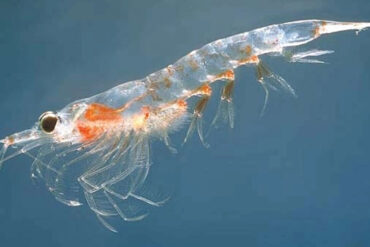
Krill oil comes from Antarctic krill, small shrimp-like crustaceans that are a staple in the diets of whales and penguins. Like fish oil, krill oil contains EPA and DHA, but the structure of these fats differs slightly. In krill oil, omega-3s are mostly attached to phospholipids, which some experts believe might allow for better absorption by the body.
The Benefits of Omega-3s
Both fish oil and krill oil provide key health benefits because of their omega-3 content. According to the National Institutes of Health, omega-3s help:
- Lower high triglyceride levels, reducing the risk of heart disease
- Alleviate symptoms of rheumatoid arthritis
- Support healthy brain function
- Possibly relieve dry eye symptoms, though more evidence is needed
Omega-3 fatty acids are also thought to reduce inflammation, improve mood, and support prenatal development. However, not all benefits are guaranteed with supplements. As dietitian Judy Simon of the University of Washington points out, “In some of the studies, just eating fish has shown to have better outcomes than taking the fish oil.”
How Do Fish Oil and Krill Oil Compare?
While both oils offer omega-3s, the way the body absorbs them may differ. A 2011 study found that people taking krill oil had similar blood levels of EPA and DHA as those taking fish oil, even though they consumed a smaller amount of the fish oil. This suggests that the phospholipid form of krill oil might be more bioavailable.
Some studies also point to krill oil’s antioxidant advantage. Krill oil contains astaxanthin, a powerful antioxidant that gives it its deep red color and may offer additional health benefits like protecting cells from damage and supporting eye health.
A 2023 network meta-analysis comparing multiple types and doses of both oils found that certain forms of krill oil—particularly krill oil in the phospholipid/free fatty acid form—were especially effective in reducing triglycerides, a key marker for heart disease. Fish oil, particularly in the ethyl ester and re-esterified triacylglycerol forms, was more effective at lowering total cholesterol and LDL (bad) cholesterol, and raising HDL (good) cholesterol.
Still, researchers stressed that the studies vary widely in dosage, duration, and health status of participants. Some showed krill oil slightly outperforming fish oil in raising blood levels of omega-3s, while others found no significant difference at all.
What Do Experts Say?
Most health experts remain cautious about declaring a winner. Simon notes, “The price is much higher, and I don’t think they’ve proven a cost-benefit for it.” Krill oil is often three to four times more expensive than fish oil due to the difficulty of harvesting krill in remote, icy waters.
Sue-Ellen Anderson-Haynes, a registered dietitian in Boston, also emphasizes a food-first approach: “You’re getting other nutrients and antioxidant activities from the foods.”
Both Simon and Anderson-Haynes point out that omega-3s are best obtained through diet when possible. Foods such as fatty fish, seaweed, walnuts, flaxseed, and chia seeds offer a broader nutritional profile than supplements alone.
Risks and Considerations
Both fish oil and krill oil are generally safe for most people when taken in reasonable doses. However, some individuals may experience:
- Bad breath
- Upset stomach
- Diarrhea
- Heartburn
- Headaches
Omega-3 supplements may interact with blood-thinning medications like warfarin because they have a mild anticoagulant effect. This is more likely when consuming higher doses—typically above 3 grams per day. Additionally, krill oil is not recommended for people with shellfish allergies.
There is also a lack of long-term studies proving that krill oil or fish oil supplements prevent heart disease in the same way that eating whole fish does.
The Bottom Line
Krill oil and fish oil both offer important omega-3 fatty acids that support heart and brain health. Krill oil may offer advantages in absorption and antioxidant content, but fish oil remains more affordable and better studied overall.
Current evidence does not clearly show that one is significantly better than the other in real-world health outcomes. The choice may come down to personal preference, cost, and how your body responds.
Ultimately, experts recommend getting omega-3s through a balanced diet whenever possible. For those choosing supplements, either fish oil or krill oil can be effective—but consult your doctor first, especially if you are on medication or have existing health conditions.