


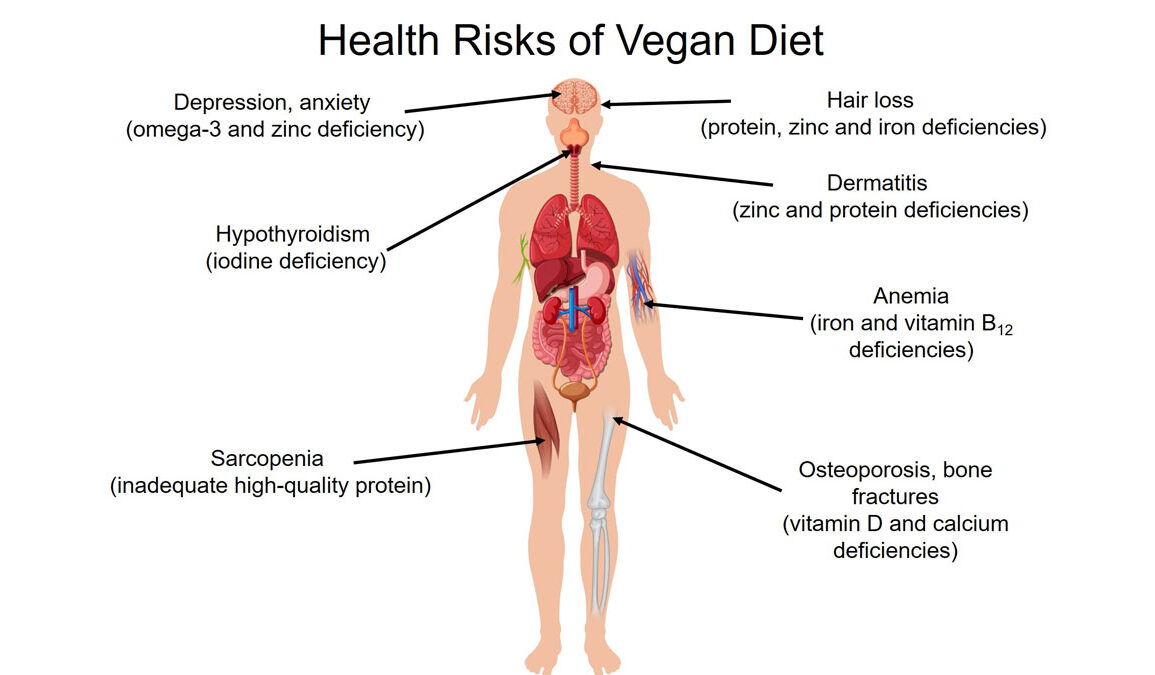
A new wave of research is challenging some of the long-held beliefs about vegan diets. While plant-based eating has been praised for its health and environmental benefits, new studies from Australia and New Zealand suggest that nutritional deficiencies may be more common among vegans than previously thought.
Background: The Rise of Vegan Diets
Veganism has grown steadily around the world. In the United States, an estimated 1% to 5% of the population follows a vegan diet, avoiding all animal products including meat, dairy, and eggs. Past research has linked vegan diets to lower risks of heart disease, type 2 diabetes, and certain cancers. Some studies have even claimed that a vegan diet can improve health in as little as four weeks.
However, critics have long argued that animal products provide essential nutrients difficult to obtain from plants alone. These nutrients include key proteins, vitamins, and minerals that are vital for maintaining good health.
New Research Highlights Potential Shortfalls
A new six-month study conducted in Australia and published in the European Journal of Clinical Nutrition examined the diets of 240 adults aged 30 to 75. Participants followed various eating patterns, from strict veganism to regular meat consumption. Researchers assessed their diets using food frequency questionnaires and detailed interviews led by dietitians.
The findings showed that while vegans and lacto-vegetarians ate more fruits, vegetables, legumes, and nuts compared to meat-eaters, they also consumed significantly less protein and had lower levels of vitamin B12, iodine, niacin, riboflavin, and omega-3 fatty acids. The researchers concluded that “[plant-based diets], while higher in beneficial nutrients and wholefood groups than regular meat-eaters, may lead to nutritional inadequacies if not planned appropriately.”
A Closer Look at Protein and Amino Acids
Separate research out of New Zealand focused on the quality of protein intake among nearly 200 long-term vegans. While three-fourths of participants met the recommended daily protein intake through foods like tofu, legumes, and meat substitutes, there was a surprising twist.
When digestion and nutrient absorption were factored in, only about half of the participants were actually getting enough of two critical amino acids: lysine and leucine. Lysine is vital for hormone production, immune function, and calcium absorption, while leucine plays an important role in muscle repair, wound healing, and blood sugar regulation.
The researchers warned that even when total protein intake looks adequate, “achieving high protein quality on a vegan diet requires more than just consuming enough protein.” It also depends on combining the right plant foods to provide all essential amino acids in the needed amounts.
How This Challenges Previous Assumptions
For years, many studies have promoted the health benefits of vegan diets, emphasizing lower rates of chronic diseases and better overall nutrient profiles. However, most of that research focused on the benefits of eating more plants, not necessarily on whether vegan diets deliver complete nutrition without careful planning.
Professor Tom Sanders, a nutrition expert at King’s College London, pointed out some limitations of the New Zealand study, including its reliance on self-reported data and the lack of an omnivore control group. Nevertheless, the new evidence adds weight to long-standing concerns about potential nutrient gaps in vegan diets.
What This Means for Vegans
The new findings suggest that while vegan diets can offer major health benefits, they also come with risks if not carefully managed. Deficiencies in lysine, leucine, vitamin B12, iodine, and omega-3 fatty acids can affect muscle maintenance, immune function, hormone production, and even overall energy levels.
These risks may be especially significant for vulnerable groups such as elderly vegans, who already face natural declines in nutrient absorption as they age. Researchers recommend that vegans focus on eating a wide variety of plant foods, including legumes, seeds, and fortified products, and consider supplementation for nutrients that are hard to get from plants alone.
As the researchers from the Australian study concluded, “Nutrients of concern among plant-based diets and regular meat-eaters as well as suitability of supplementation should be carefully considered by individuals alongside tailored nutrition interventions with their healthcare professionals.”
Moving Forward
While the studies do not suggest abandoning vegan diets, they do underline the need for careful planning. As veganism becomes more popular, experts call for better education about how to build nutritionally complete plant-based diets. Future research will also need to explore long-term strategies for overcoming the challenges of nutrient deficiencies in a world increasingly focused on plant-based eating.