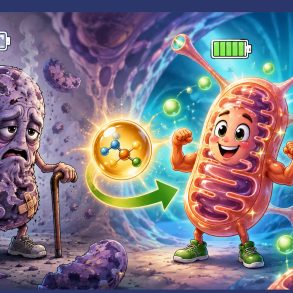



In a major breakthrough that could transform medicine, scientists have figured out how to turn regular stem cells into what they’re calling “super stem cells.” These upgraded cells are healthier, longer-lasting, and more capable of becoming different types of tissue. The discovery could one day lead to new treatments for infertility, organ failure, and age-related diseases like Parkinson’s or diabetes.
What Makes These Stem Cells “Super”?
Stem cells are special because they can become almost any type of cell in the body. This is why they’re considered so important for medicine. However, traditional embryonic stem cells have limits. Over time, they age, become less efficient, and struggle to develop into certain tissues. Researchers at the University of Copenhagen, working under the Novo Nordisk Foundation Center for Stem Cell Medicine (also called reNEW), found a way to improve these cells simply by changing their source of energy.
Instead of giving the stem cells glucose, the most common sugar used for fuel, they gave them galactose. This small change triggered big effects. The cells began to use a different energy system known as oxidative phosphorylation, which is more efficient than the usual method, glycolysis. According to Robert Bone, the lead researcher, “By changing their diet, the stem cells can rejuvenate and turn into ‘super stem cells.’”
This switch didn’t just give the cells more energy. It actually changed how they behaved. “The net result is that they behave like they are from an earlier stage of development, which enhances their ability to develop, or differentiate, into other types of cells,” Bone explained.
The Molecular Rewiring Behind the Transformation
When the cells switched to burning galactose, a group of proteins called sirtuins became active. These proteins are known for their role in regulating aging and metabolism. They began stripping away chemical markers—called acetyl groups—from DNA packaging proteins called histones, as well as from important proteins that control gene activity, such as SOX2.
This activity had a dramatic effect on how the cells read and follow genetic instructions. “What is really striking is that they’re not just better at differentiating, but they stay fit and keep healthy much better over time compared to stem cells in standard culture conditions,” said Professor Joshua Brickman, a senior researcher on the project.
By improving the way the cells handle genetic information, the scientists essentially gave them clearer instructions. It’s similar to fine-tuning a radio signal. Instead of getting static and noise, the stem cells now receive a clearer, stronger message about what kind of cell to become.
Reversing the Effects of Cellular Aging
One of the most exciting parts of the discovery is how it may help scientists understand aging. The researchers said that as cells get older, they have a harder time listening to their genetic “instructions.” Brickman described it this way: “It’s like taking your grandparents to a noisy restaurant. They can’t hear you not only because you’re speaking quietly, but because the background noise is too loud. Aging cells may have the same problem listening to their own genomes.”
The “super” stem cells, on the other hand, tune out the noise and focus on the important signals. This could mean they stay youthful and functional for much longer than regular stem cells.
How the Super Stem Cells Might Be Used
This new method could make a big difference in fertility treatments, especially for couples using in vitro fertilization (IVF). Early in development, embryos need to form a tissue called the yolk sac. This tissue plays a key role in implantation—the moment when an embryo attaches to the wall of the uterus. Without a healthy yolk sac, the pregnancy may not take hold.
“One of the things that the ‘super stem cells’ seem to be better at making is a cell lineage that becomes something called the yolk sac,” Bone explained. “Previous research has found that the formation of yolk sac in embryos cultured in a dish is very important for their ability to implant and become successful pregnancies.”
Brickman added, “We hope to improve IVF technology by developing a culture for IVF that uses the same metabolic process. Hopefully, it can be used as part of the embryo culture regime that they use in the clinic to improve success rates of implantation.”
But the possibilities go far beyond fertility. The team believes that the same metabolic technique could be used to improve other types of cells as well. For example, liver and heart cells could be rejuvenated and used to treat chronic conditions like cirrhosis or congestive heart failure. “Perhaps we could use this trick to regenerate aging cells and treat diseases such as Parkinson’s disease, osteoporosis or diabetes,” Brickman said.
What the Research Involved
To make these enhanced cells, the researchers used mouse embryonic stem cells and placed them in a new culture medium. They replaced both glucose and pyruvate with galactose, which forced the cells to change their metabolic process. The result was what they called Enhanced Metabolic Embryonic Stem Cells, or EMESCs.
They used a wide range of advanced tools to study these cells, including RNA sequencing to measure gene activity, mass spectrometry to analyze protein changes, and CUT&Tag to observe how proteins bind to DNA. They even tested the cells in real embryos, injecting them into developing mice to see if they could contribute to tissues. The results were clear: EMESCs outperformed regular stem cells in every way.
They also found that SOX2, a protein that helps stem cells stay in their undifferentiated state, was working better thanks to sirtuin activity. When SOX2 had fewer chemical tags, it could bind more strongly to DNA, making the stem cells more stable and better at turning into other cell types.
Limitations and Next Steps
While the results are exciting, the researchers caution that the study was done using mouse cells. It’s not guaranteed that human stem cells will behave the same way. They also found that the EMESCs grow more slowly than regular cells. Their cell cycles were about twice as long. And while they identified sirtuins as key to the transformation, there may be other pathways involved that they haven’t discovered yet.
Still, the team is optimistic. They have filed a patent on their Enhanced Metabolic Media, and the research has been published in The EMBO Journal. The project received funding from several major organizations, including the European Union and the Danish National Research Foundation.
According to Bone, “It’s a relatively simple method with powerful results. We’re hopeful this will open up new frontiers in fertility, regenerative medicine, and maybe even slowing down the aging process itself.”