


A Controversial Practice With a Long History
Urine therapy, also known as urophagia, is the practice of drinking one’s own urine or using it on the skin to treat a wide variety of illnesses. Though many would consider it repulsive, this ancient health ritual still has supporters around the world. Some see it as a natural cure that has been unfairly rejected by modern medicine.
Celebrity survivalist Bear Grylls has spoken publicly about urine therapy. He teaches contestants on his reality show to drink their own urine in emergency situations. In his words, it can be a “last resort” survival strategy. Former Indian Prime Minister Morarji Desai famously drank a glass of his own urine every day. He once claimed that “urine therapy is the perfect medical solution for many diseases and can prolong life.” Mexican boxer Juan Manuel Márquez admitted to drinking his urine as part of his training routine before his 2009 match with Floyd Mayweather Jr.
What Is Urine and Why Would Anyone Drink It?
Urine is a waste product made by the kidneys to remove things the body no longer needs. It is made up of about 95 percent water. The other five percent includes urea, salts, creatinine, uric acid, and trace amounts of hormones, vitamins, and proteins. The idea behind urine therapy is that some of the substances found in urine, such as excess vitamins, antibodies, and hormones, might have beneficial effects when reintroduced into the body.
Supporters believe that drinking urine can help the body detoxify, recycle useful compounds, and strengthen the immune system. Some claim that urine contains antibodies that help train the immune system to fight diseases. Others say it can reduce inflammation, fight infections, or even prevent allergic reactions.
However, experts say the amount of helpful material in a glass of urine is extremely small. According to research compiled for NASA, a typical liter of urine contains 9.3 grams of urea, 1.87 grams of chloride, 1.17 grams of sodium, and lesser amounts of other substances. These quantities are far below the levels needed for any therapeutic effect. Dr. Dipa Kamdar, a senior lecturer in pharmacy practice at Kingston University, wrote, “The amounts of vitamins, hormones and proteins in urine are unlikely to be enough to be beneficial. A vitamin supplement may be more effective.”
Historical and Cultural Uses
Urine therapy is not a modern invention. In ancient Rome, people believed urine could whiten teeth. The poet Catullus even wrote about it. In India, Ayurvedic medicine has included urine therapy for centuries. Practitioners used it to treat asthma, indigestion, allergies, and even cancer.
In 1944, British naturopath John W. Armstrong published The Water of Life: A Treatise on Urine Therapy. In this book, he claimed that urine could cure almost any disease if a person drank it and massaged it into their skin. Armstrong said he once survived for 45 days on nothing but his own urine and tap water. He called urine “the water of life” and described it as the body’s natural medicine.
Armstrong’s book helped spread the idea in the West, while in India, the book inspired Raojibhai Manibhai Patel, a Gandhian reformer, to publish Manav Mootra in 1959, which also promoted the practice. These works referred to ancient Indian texts such as the Shivambu Kalpa and Sushruta Samhita, which mention the use of urine in traditional healing.
In modern times, the China Urine Therapy Association claims thousands of members. Some of its followers believe urine can treat constipation, skin diseases, and even more serious conditions. In Nigeria, it has been used in folk remedies for childhood seizures. And in Thailand, one self-proclaimed holy man was arrested after followers were seen drinking his urine and eating his feces, believing they had healing powers.
Claimed Modern Benefits
Today, some alternative medicine advocates and social media influencers claim that urine therapy can treat a wide range of conditions. These include skin infections, acne, asthma, thyroid problems, and even cancer. Some believe it can slow aging because it contains a steroid hormone called dehydroepiandrosterone, or DHEA, which naturally decreases with age.
Supporters also say urine can cleanse the blood, remove toxins, and improve mental clarity. Others claim that by drinking their own urine repeatedly, their body becomes cleaner over time, leading to clearer urine and better health.
Urine does contain urea, a substance used in many moisturizers to soften the skin. But as Dr. Kamdar points out, “The concentration of urea in urine is unlikely to be high enough to have this effect.” She adds that while urine may include useful substances, “there is no scientific evidence to support any of these claims.”
The Risks of Drinking Urine
Although some people see urine therapy as a natural solution, most medical professionals warn against it. Urine is not sterile. It contains bacteria, even in healthy people. A study of 100 children found that urine can carry dangerous microbes like E. coli, Shigella, Salmonella, and Staphylococcus. These bacteria can cause stomach infections or other illnesses, especially in people with weak immune systems.
Drinking urine can also make dehydration worse. Because it contains salt and waste, the kidneys must work harder to remove it. As a result, the body loses more water than it gains. “Drinking urine speeds up dehydration — it’s similar to drinking seawater,” Dr. Kamdar explains.
Urine can also contain trace amounts of drugs that were previously taken, such as antibiotics or heart medications. Re-ingesting these substances can lead to toxic levels in the bloodstream, especially with repeated use.
The Mayo Clinic and other mainstream medical groups do not recommend urine therapy. While drinking a small amount of your own urine on rare occasions is not likely to be harmful, it has no proven benefit. “For tangible health benefits,” says Dr. Kamdar, “other therapies with scientific evidence may be the way to go.”
Misleading Claims and Dangerous Beliefs
Despite the risks, some people have gone to dangerous extremes in their belief in urine therapy. In 2022, an American anti-vaccine activist named Christopher Key falsely claimed that drinking urine was the cure for COVID-19. He even said there had been a nine-month clinical trial to support his claim, but no such study exists.
In the Arabian Peninsula, camel urine has been sold as a supposed prophetic medicine. In 2015, Saudi authorities arrested a man for selling his own urine and labeling it as camel urine.
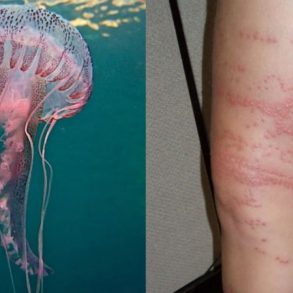
The myth that urine can treat jellyfish stings has also been debunked. Urine can actually make the pain worse by causing the venom cells to release more toxins.
Conclusion
Urine therapy is a practice with ancient roots and modern believers. Supporters say it recycles useful substances in the body and can treat a wide range of health problems. However, there is no solid scientific evidence to support these claims. In fact, drinking urine can lead to dehydration, infection, and toxic buildup of medications.
While history and tradition may offer some insight into human health, modern medicine is based on research and proven results. Anyone considering urine therapy should first consult a qualified medical professional. As Dr. Kamdar warns, “Drinking urine will not improve a person’s health. In some cases, it may even worsen health issues.”