


What is BPC-157?
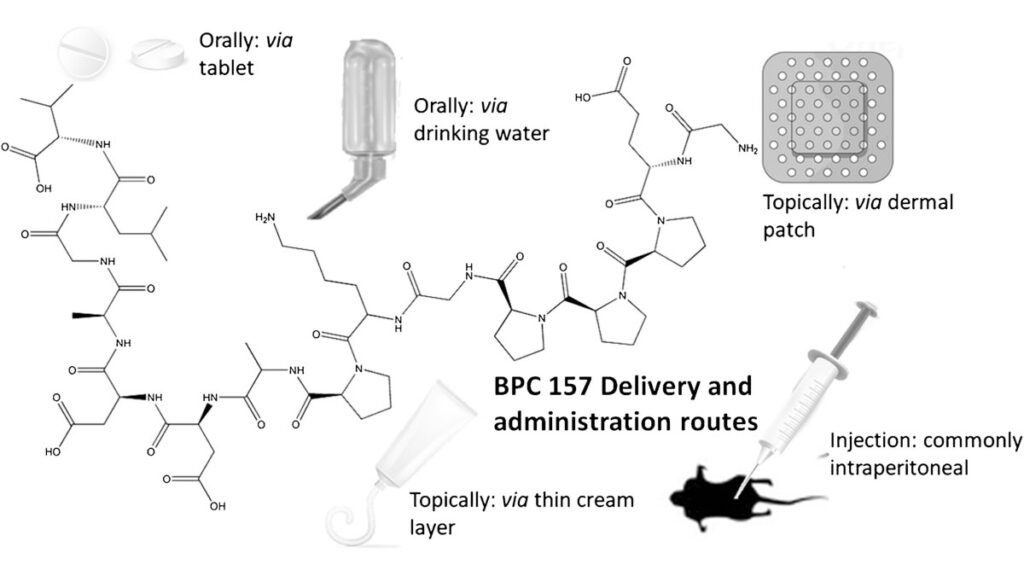
BPC-157, short for Body Protection Compound 157, is a synthetic peptide made from a sequence found in human gastric juice. Though it is only 15 amino acids long, it has drawn attention from researchers and health enthusiasts for its potential to speed up healing, especially for injuries related to tendons, muscles, and even the gut. While not yet approved by the FDA for human use, BPC-157 is sold as a research chemical and is frequently promoted online for recovery, anti-inflammatory effects, and even tissue regeneration.
Healing Claims and How It Works
BPC-157 is said to support healing by promoting the growth of new blood vessels, stimulating tissue regeneration, and reducing inflammation. According to Limitless Biotech, which markets BPC-157 capsules and sprays, the peptide helps accelerate recovery from sports injuries, surgery, and chronic pain. When combined with another peptide, TB-500, the product claims to offer enhanced tissue regeneration and faster recovery timelines.
Animal studies and cell research suggest BPC-157 helps repair wounds by increasing the number of growth hormone receptors in cells like tendon fibroblasts. These receptors allow growth hormone to bind more effectively, triggering faster cell reproduction and tissue remodeling. One study from Taiwan’s Chang Gung University found that tendon cells exposed to BPC-157 significantly increased their responsiveness to growth hormone and showed higher levels of cell proliferation. The study concluded that this interaction may explain BPC-157’s observed healing effects.
Another study conducted in China using rats with chemical burn injuries found that topical BPC-157 accelerated wound closure. It improved granulation tissue, increased collagen production, and enhanced blood vessel growth by activating the ERK1/2 signaling pathway, a key mechanism for cell growth and repair.
Research and Statistics
Research on BPC-157 is still in early stages, especially in humans, but lab data is promising. In tendon cell studies:
- BPC-157 increased growth hormone receptor expression by over 200 percent within 24 hours.
- With growth hormone added, treated cells showed a 160 percent increase in proliferation over untreated cells.
- Levels of key signaling proteins like JAK2 were significantly activated in a time-dependent manner, confirming long-term effects over at least three days.
In wound healing studies involving rats with alkali burns:
- Treated rats showed faster healing, more blood vessels, and better tissue organization than control groups.
- BPC-157 enhanced proliferation and migration of endothelial cells, which form the inner lining of blood vessels.
- These changes were associated with higher VEGF (vascular endothelial growth factor) levels, critical for new blood vessel growth.
Despite the promising lab results, there are no large-scale human clinical trials confirming its effects. Still, the evidence is strong enough to fuel its popularity in the wellness and sports recovery industries.
How to Get It
BPC-157 is available through companies like Limitless Biotech and Limitless Life Nootropics, often labeled for “research use only.” It can be purchased in:
- Capsules: A 60-count bottle with 250 micrograms per capsule costs around $103.
- Blended Formulas: Products combining BPC-157 with TB-500 and other compounds for broader healing applications are available for about $239.
- Nasal Sprays and Powders: These formats offer alternative delivery options for people seeking faster absorption.
While BPC-157 is legal to buy as a research compound, its use in sports is restricted. The World Anti-Doping Agency (WADA) includes it in its list of banned substances due to its performance-enhancing potential.
Supporters and Skeptics
Supporters, including executives at Limitless Biotech, see BPC-157 as a game-changer for recovery. Cody Whitten, COO of Limitless Biotech, said the company is “thrilled to introduce BPC-157 capsules to the market” as part of its goal to “empower individuals to take control of their health.”
Critics caution against overhyping a compound with limited human data. Some raise ethical concerns about its use in sports and worry about unregulated sources. Philosophers and health commentators warn that peptides like BPC-157 may open the door to transhumanism and biohacking gone too far. As Kevin Don noted in his review of peptides, the line between performance enhancement and medical need is getting blurry.
Conclusion
BPC-157 shows real promise as a healing peptide, especially in laboratory settings and animal studies. Its ability to improve blood flow, reduce inflammation, and boost cellular repair makes it a compelling candidate for future medical treatments. However, until more human trials are done, it remains a powerful but experimental option. Anyone considering BPC-157 should consult a healthcare provider and understand both the benefits and the legal limitations of its use.