


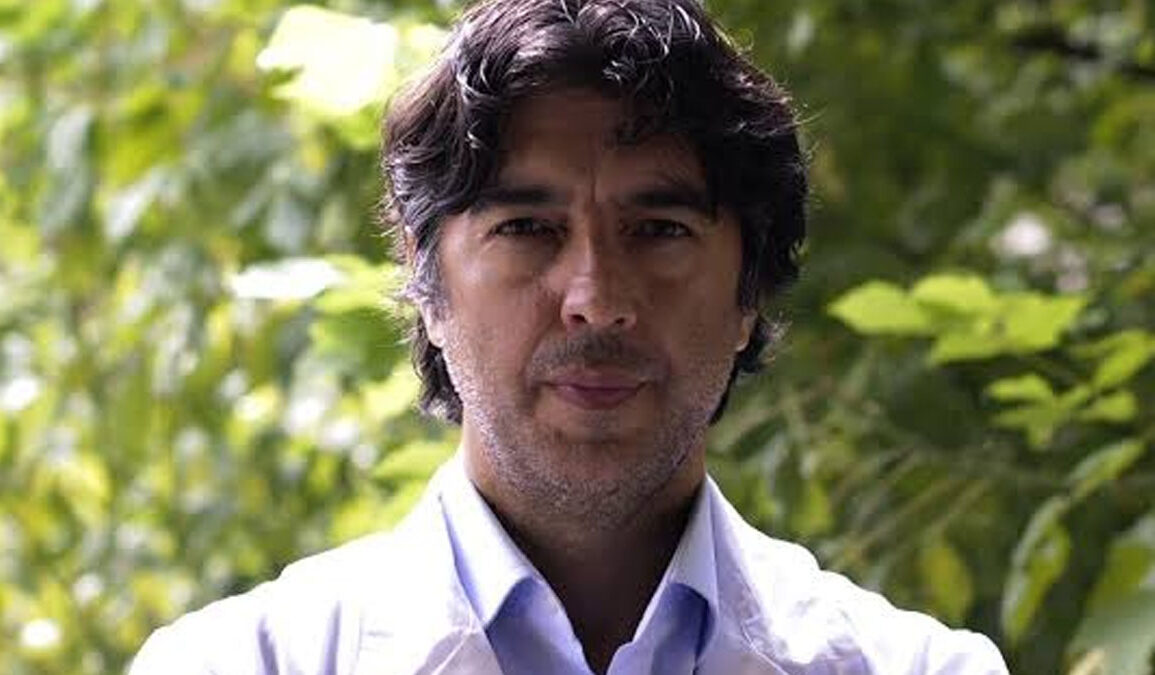
Who Is Dr. Valter Longo?
Dr. Valter Longo is an Italian-American researcher and professor of gerontology and biological sciences at the University of Southern California. He is also the director of the Longevity Institute at USC and the Oncology and Longevity Program at the Institute of Molecular Oncology in Milan. Known for his research on aging and disease prevention, Longo developed the Fasting Mimicking Diet (FMD), a structured short-term dietary program that mimics the biological effects of fasting while still allowing for minimal food intake.
What Is the Fasting Mimicking Diet?
Unlike traditional diets, the FMD is not meant for daily use. Instead, it is a 3 to 5-day program that significantly restricts calories, proteins, and certain nutrients to trick the body into thinking it’s in a state of fasting. This process triggers cellular repair systems without the stress and difficulty of a full water-only fast. The diet includes small amounts of plant-based foods with low protein and low amino acid content, such as cucumber, celery, and iceberg lettuce, while excluding most nutrient-dense items.
For example, on day one, the FMD provides around 1,100 calories. For the remaining four days, calorie intake drops to 700–800, with precise ratios of fats, carbs, and protein. The goal is to initiate autophagy—a deep cellular cleaning process—and spark tissue regeneration.
Anti-Aging and Longevity Effects
According to Longo, one of the most exciting aspects of the FMD is its potential to slow or even reverse aspects of aging. In interviews, he points to evidence that the FMD reduces biological age and may stimulate epigenetic reprogramming, including the temporary activation of the Yamanaka factors. These four proteins—Oct4, Sox2, Klf4, and c-Myc—can reprogram adult cells into a more youthful, stem-like state.
“We saw the pancreatic cells be reprogrammed into making insulin again even though they were, you know, terminally damaged,” Longo said in a conversation with fellow researcher Gordon Lithgow. He also noted observing this regenerative effect in the pancreas, kidneys, immune system, and nervous system. These effects are believed to result from fasting followed by a refeeding cycle, which prompts the body to rebuild using new, functional cells.
The Role of FMD in Cancer Treatment
FMD has also been studied in the context of cancer. A review published in Cell Metabolism outlined how periodic fasting or fasting mimicking diets may enhance the effectiveness of traditional treatments like chemotherapy and immunotherapy while protecting normal cells from damage.
In breast cancer, for example, FMD reduces insulin-like growth factor-1 (IGF-1) levels, weakening the PI3K-AKT-mTOR pathway that many tumors rely on to grow. It also increases oxidative stress in tumor cells, damaging their DNA and impairing their survival. FMD helps the immune system by boosting natural killer cells and reducing immune-suppressing cells, thereby improving the body’s ability to attack tumors.
Preclinical and clinical studies in various cancers—such as breast, lung, pancreatic, and colon—have shown that combining FMD with standard therapies can lead to longer remissions and even higher cure rates. Importantly, patients following the FMD regimen experienced fewer side effects and retained more lean muscle mass compared to those on standard calorie-restricted diets.
Clinical Evidence and Research
There have now been over 20 completed clinical trials, with another 20 to 30 in progress. In one randomized study at USC’s medical center, participants who followed the FMD five days per month for three months saw improvements in blood pressure, cholesterol, and markers of inflammation, without losing lean body mass.
Longo contrasts this with the traditional Mediterranean diet or daily calorie restriction, which often leads to muscle loss and slower metabolism. In his view, short, periodic FMD cycles avoid these pitfalls by resetting the body without triggering starvation mode.
Potential Risks and Who Should Avoid It
While the FMD has many promising applications, it’s not for everyone. Longo warns that people who are pregnant, underweight, or have liver or kidney disease should not attempt the FMD. Even healthy individuals should consult a physician before beginning, especially since the diet involves periods of low nutrient intake and can be physically demanding.
The diet is also meant to be temporary. Longo stresses that trying to live on an FMD long term would be dangerous and could result in starvation. The FMD is designed to be used only a few times a year—typically two to four cycles spaced over several months.
Personal Experiences and Mixed Reactions
Some people, including health writers and researchers, have reported dramatic improvements in health after several FMD cycles, including fat loss and improved metabolic health. However, others have noted challenges, especially when attempting to pair the FMD with Longo’s “Longevity Diet,” a low-protein version of the Mediterranean diet. Some individuals have experienced muscle loss, fatigue, and difficulty maintaining performance and strength.
Interestingly, all successful FMD trials to date were conducted on individuals who ate their regular diets between FMD cycles—not on those following the Longevity Diet. This suggests that the FMD may be most effective when used as a reset, not as part of a continuously restricted lifestyle.
The Bigger Picture
Dr. Longo’s work points toward a future where aging and chronic disease might be managed not through daily pills or surgeries but through well-timed, science-based nutritional interventions. The FMD stands at the intersection of evolutionary biology, cutting-edge gerontology, and practical health advice.
As Longo puts it, “Can we bring you back to when you were 20? Of course, it’s hard. But can we bring you back, at least to a more functional state?” With more clinical trials underway and growing interest in diet-based therapies, the next few years may provide even more insight into just how much a few days of strategic eating can do.