


For centuries, oysters have carried a reputation as one of the world’s most famous aphrodisiacs. From ancient mythology to modern romantic dinners, these shellfish have been linked with love, passion, and fertility. But how much of it is based in science—and how much is just cultural hype?
The Power of Zinc
One of the strongest scientific reasons oysters are considered aphrodisiacs is their extraordinarily high zinc content. Zinc is a mineral that plays a key role in the human reproductive system. It’s especially important for:
- Testosterone production
- Sperm count and motility in men
- Hormone balance and egg development in women
Just 100 grams of raw oysters contain about 39.3 milligrams of zinc. That’s more than four times what you get from a similar serving of beef, pumpkin seeds, or lamb.
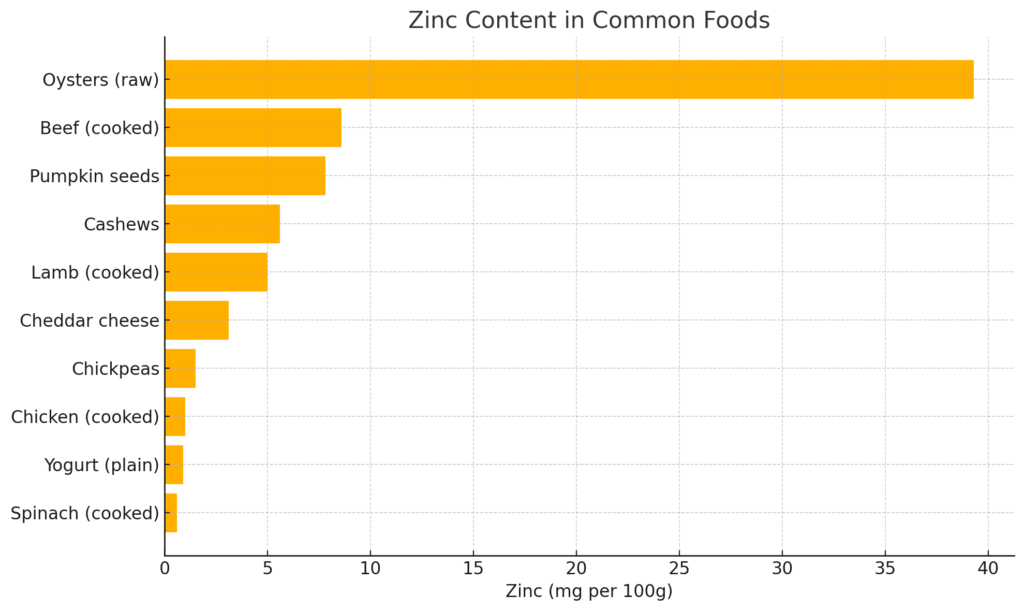
This high level of zinc can help replenish low levels in the body, which are often tied to decreased libido and fertility.
Rare Amino Acids That Stimulate Hormones
Oysters also contain special amino acids like D-aspartic acid and NMDA (N-methyl-D-aspartate). These compounds have been studied for their role in stimulating the release of sex hormones like testosterone and progesterone. Animal studies suggest they may play a role in raising hormone levels and increasing sexual readiness, although human studies are still limited.
The Role of Symbolism and Myth
Cultural history also fuels the oyster’s reputation. In Greek mythology, Aphrodite, the goddess of love, was said to have emerged from the sea. This connection to water, beauty, and birth helped link sea creatures like oysters with passion and fertility.
In addition, the soft, slippery texture and the sensual way oysters are eaten—often raw, in a candlelit setting—adds to their image as a seductive food.
Casanova’s Favorite Breakfast
The famous 18th-century lover Giacomo Casanova claimed to eat 50 oysters for breakfast every day to boost his sexual stamina. Whether that’s fact or fiction, it helped shape the oyster’s erotic image in Europe and beyond.
Is It All in Your Head?
There’s also the possibility that much of the effect comes from expectation. When you believe something will spark desire, that belief itself can have a powerful effect. Eating oysters in a romantic setting—with wine, music, and dim lighting—creates a strong mental link between oysters and passion.
Scientific Reality
Despite all these factors, scientists say there’s little solid evidence that oysters directly cause arousal. However, because they’re rich in nutrients that support reproductive health, it’s not a stretch to say they can help support a healthy sex drive. They’re not magic, but they are effective in maintaining the systems that make intimacy possible.
This high level of zinc can help replenish low levels in the body, which are often tied to decreased libido and fertility.