


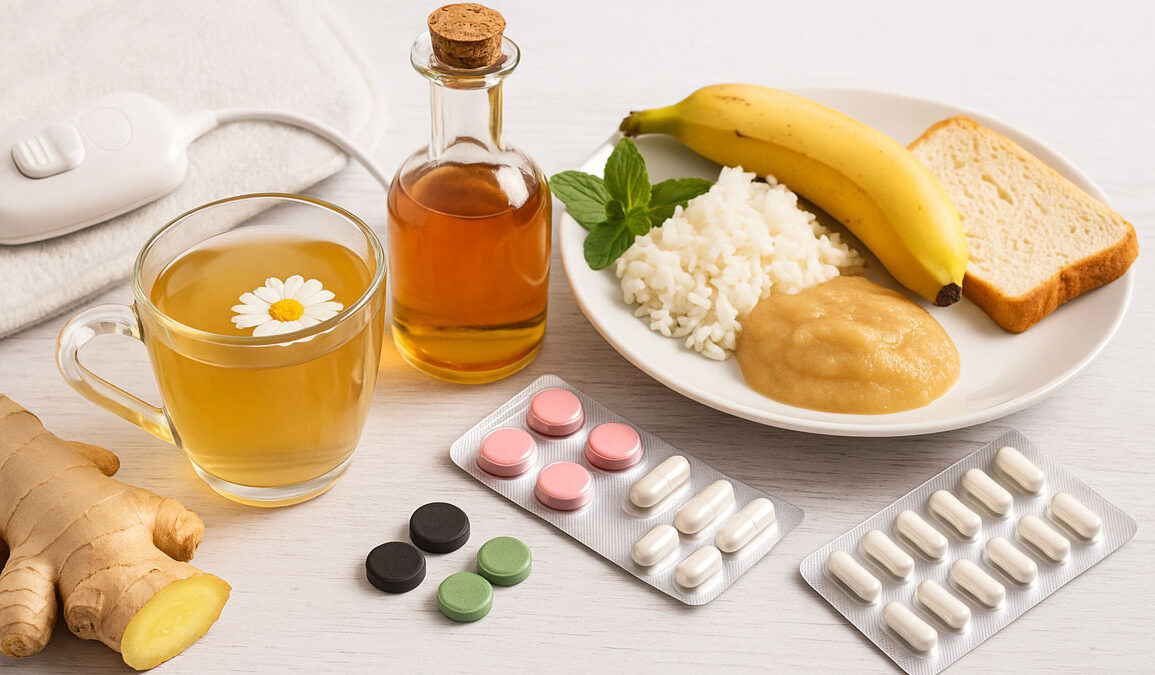
An upset stomach can be uncomfortable, but there are many natural and over-the-counter remedies that can help ease your pain and get you back to normal. Here’s a look at ten of the most popular treatments and the symptoms they target.
1. Bitters and Soda
Many people swear by a few drops of cocktail bitters in a glass of tonic or club soda to calm nausea. Bitters often contain herbs like cinnamon, fennel, mint, and ginger, which are thought to soothe stomach upset and reduce bloating.
2. Ginger
Ginger has long been used as a remedy for nausea and mild stomach discomfort. It’s a natural anti-inflammatory and can be taken in tea, chews, or even as fresh ginger slices. Studies have shown that ginger can help with nausea caused by motion sickness, pregnancy, or even chemotherapy.
3. Chamomile Tea
Chamomile tea is a gentle way to ease stomach pain. Its anti-inflammatory effects help relax stomach muscles, which can calm cramping and spasms. Chamomile has also been used to soothe mild acid reflux symptoms.
4. BRAT Diet
The BRAT diet—bananas, rice, applesauce, and toast—has been a go-to for decades when your stomach is upset. These bland, low-fiber foods help firm up stool if you’re dealing with diarrhea and can help calm your digestive system overall.
5. Peppermint
Peppermint contains menthol, which has pain-relieving properties. Drinking peppermint tea or chewing peppermint leaves may reduce stomach discomfort and help with bloating.
6. Apple Cider Vinegar
Some people drink diluted apple cider vinegar to aid digestion and soothe stomach pain. Although there’s limited research in humans, animal studies suggest it may help by increasing digestive enzyme activity.
7. Heating Pad
Using a heating pad or hot water bottle can relax stomach muscles and ease cramping. Just be careful not to overuse the heat, as this can harm your skin.
8. Rehydration
If you’re dealing with diarrhea, staying hydrated is essential. Clear liquids like water, broth, and diluted juice can help replace lost fluids. In more severe cases, electrolyte drinks or oral rehydration solutions are helpful to restore balance in your body.
9. Fermented Foods
Fermented foods like kefir, kimchi, sauerkraut, and some yogurts contain probiotics that may help restore gut bacteria and calm diarrhea. These foods can also support overall digestive health.
10. Over-the-Counter (OTC) Medications
OTC medications like Imodium (loperamide) and Pepto-Bismol (bismuth subsalicylate) can provide relief for diarrhea and upset stomach. Gas relief medicines like Gas-X (simethicone) and acid reducers like Tums or Prilosec can also help depending on your symptoms.
Special Cases: Infants and Young Children
Infants are especially vulnerable when it comes to stomach problems. If your baby is experiencing gas, a product like simethicone drops can provide relief. For diarrhea in infants and young children, it’s important to ensure they’re getting enough fluids. Breast milk and formula are still safe during mild diarrhea, but if your child cannot keep liquids down for more than 12 hours, see a doctor immediately. Avoid giving infants and young children OTC antidiarrheal medications unless directed by a doctor.
What to Watch Out For
While most stomach upsets are mild and temporary, there are some warning signs to be aware of. Call your doctor if you or your child experiences:
- Severe or constant stomach pain
- Bloody or black stools
- High fever (over 102°F)
- Diarrhea lasting more than two days for adults or more than 24 hours for children
- Severe dehydration symptoms like dry mouth, dizziness, or dark urine
When to See a Doctor
Mild stomach issues usually resolve on their own with rest and home remedies. However, if you’re unable to keep liquids down for more than 24 hours, if you see blood in your stool, or if your symptoms last longer than two days, it’s time to seek medical advice. Older adults, pregnant women, and those with chronic conditions should be especially cautious.
Takeaway
Many common stomach ailments can be eased with natural remedies and simple dietary changes. Ginger, chamomile tea, peppermint, and the BRAT diet are gentle solutions to consider. For more serious or persistent cases, don’t hesitate to reach out to your doctor to make sure there isn’t a more serious underlying issue. Staying mindful of your symptoms and acting quickly when necessary can help you feel better faster.