


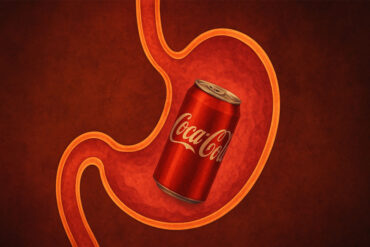
It’s not just an old wives’ tale—Coca-Cola may actually help treat certain stomach ailments. While doctors often warn against sugary sodas, there’s growing evidence that in some very specific cases, Coke and other carbonated drinks can play a helpful role in easing discomfort. From clearing gastric blockages to helping Olympic athletes fight bacteria, here’s how soda might offer more than just fizz.
A Cure for a Rare but Real Stomach Problem
Believe it or not, one of the most studied uses of Coca-Cola in medicine is for treating gastric phytobezoars—solid masses of undigested plant material that can build up in the stomach and cause nausea, vomiting, and loss of appetite. A systematic review of 24 medical papers between 2002 and 2012 found that Coca-Cola helped dissolve these masses in over 91% of cases. Half of the time, drinking Coke alone was enough to resolve the issue, while the other half required additional treatment like endoscopy.
Researchers believe the drink’s high acidity and carbonation help break down the fibrous content of phytobezoars, much like Coke can remove rust or clean a toilet bowl. Yes, the same properties that make it great at cleaning also seem to make it useful in this rare medical setting.
Olympic Swimmers Use Coke for More Than Sponsorships
Coca-Cola is one of the official sponsors of the 2024 Paris Olympics, but its presence goes beyond branding. Olympic swimmers competing in the Seine River—which has been criticized for its high levels of bacteria—have been chugging Coke after their races. Some athletes say it helps them ward off stomach bugs caused by contaminated water.
While no formal studies have confirmed this practice as effective, it reflects a long-standing belief that the acidity and sugars in Coke may help kill off some types of bacteria or calm mild digestive upset. This isn’t exactly doctor-approved, but it’s become a go-to ritual for athletes dealing with questionable water conditions.
The Ginger Ale Myth and What Actually Works
Many people still reach for ginger ale when dealing with an upset stomach. But most ginger ales on store shelves contain little or no real ginger. According to Dr. Pooja Singhal of the American Gastroenterological Association, the belief that sodas help with stomach problems is more myth than medicine. In fact, sweetened carbonated drinks can sometimes make symptoms worse, especially for people with acid reflux or bloating.
The carbonation might give a temporary sense of relief by promoting burping or movement in the digestive tract, but it doesn’t actually treat the underlying problem. “These quick go-to remedies actually do very little to help,” says Singhal. And for people with sensitive stomachs or GERD, the sugar and fizz can make things worse.
When Carbonation Might Actually Help
There is some research suggesting that plain sparkling water (without sugar) may help relieve mild digestive issues. In one study, people with chronic indigestion experienced fewer symptoms and better bowel regularity after drinking carbonated water for 15 days. This was likely due to increased motility in the gut, helping food move more efficiently.
So while ginger ale and Coke might not be the magic cure people hope for, there may still be a role for non-sweetened fizzy drinks in promoting digestion under the right conditions.
What Doctors Actually Recommend
If you’re dealing with an upset stomach, most experts suggest sticking with bland foods like toast, bananas, crackers, and rice. Teas made with real ginger can help reduce nausea. And a light walk after a big meal can promote digestion.
Over-the-counter remedies like Tums, Gas-X, or Pepto-Bismol can also provide relief. But if symptoms persist, worsen, or come back frequently, it’s time to see a doctor. Sharp pains, dehydration, or vomiting that doesn’t stop are all signs you may need professional care.
So, Is Coke a Stomach Remedy or Just a Myth?
Coca-Cola does have a real medical use for breaking down phytobezoars, and it might offer short-term relief from nausea or even help Olympic athletes avoid stomach bugs. But for most people dealing with gas, reflux, or upset stomachs, soda is not the best go-to.
Still, if you’re feeling queasy and reach for a few sips of Coke, you’re not alone—and you might even feel better. Just don’t mistake it for medicine.