

A safer way to roll back the biological clock
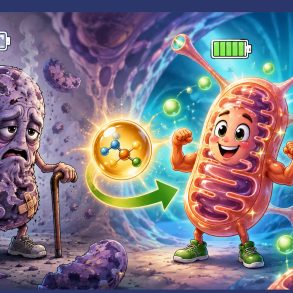
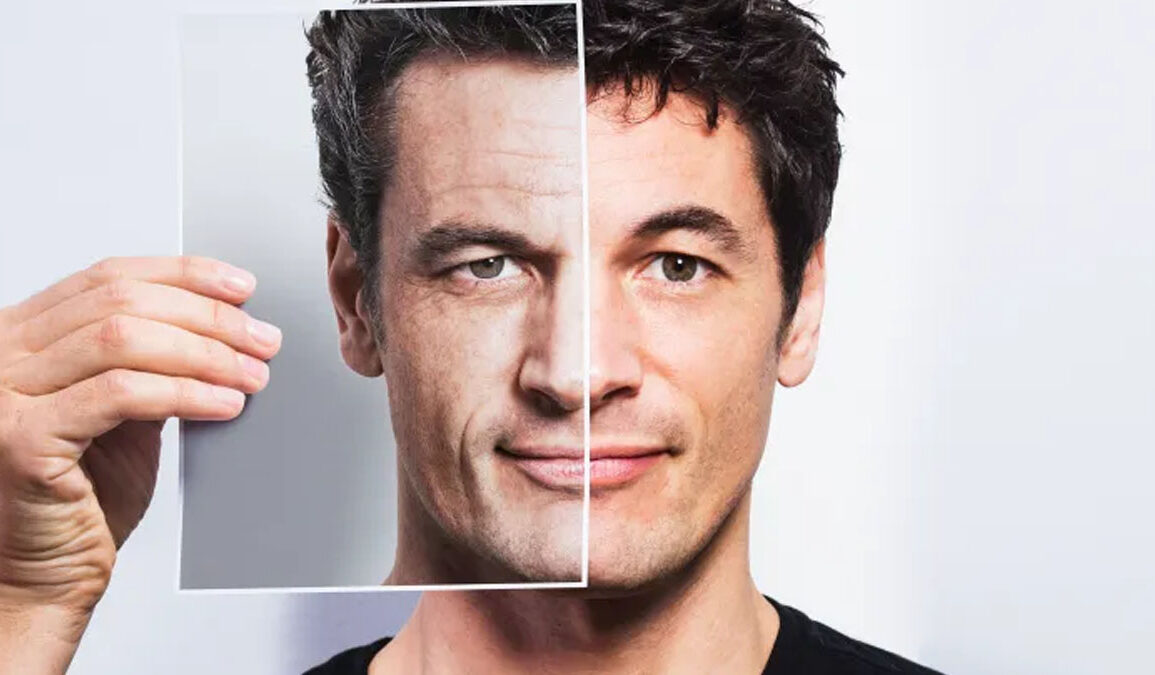
A new study from UK-based biotech firm Shift Bioscience has unveiled a stunning breakthrough in anti-aging science: a single gene, named SB000, appears capable of rejuvenating human cells just as powerfully as the well-known Yamanaka factors—but without the associated risks of cancer or loss of cell identity. This development could signal a new era in longevity research, where age reversal is not just possible, but safe and potentially scalable.
The challenge with traditional reprogramming
For over a decade, scientists have been experimenting with the Yamanaka factors—a group of genes (OCT4, SOX2, KLF4, and c-MYC)—known to reverse the age of cells by reprogramming them into a youthful, stem-like state. These factors can dramatically reduce a cell’s biological age according to “epigenetic clocks,” which are some of the most accurate biomarkers for aging. However, there’s a catch: these genes often push cells toward pluripotency, a state where they lose their identity and may become cancerous. That has made them dangerous for use in clinical therapies.
According to the authors of the new study, “Even a single pluripotent cell in a patient could be enough to form a tumour.” That’s why the search has been on for a safer alternative that retains all the benefits of Yamanaka’s discovery, without the biological chaos.
How the researchers found SB000
Rather than searching for genes that drive pluripotency, Shift Bioscience’s team used a machine-learning platform to optimize for rejuvenation first. They created a powerful single-cell aging predictor called AC3, trained on cells from over 100 donors ranging in age from 1 to 87. This tool enabled them to test 1,500 different genes for their impact on biological age with unprecedented speed and precision.
One gene—SB000—stood out. In fibroblasts (skin cells), lung cells, and keratinocytes (skin surface cells), SB000 reduced biological age as measured by transcriptomic clocks and DNA methylation patterns by as much as 13.6 years in just six weeks.
What SB000 does to the cell
SB000 reversed biological age across several measures:
- Transcriptomic age (based on gene expression) dropped by an average of 4.5 years.
- Epigenetic clocks, such as the Horvath and GrimAge2 clocks, showed age reversals between 4 to over 13 years.
- Senescence scores, which measure how much a cell has aged or deteriorated, dropped significantly and uniformly across the population.
Most remarkably, unlike OSKM and OSK, SB000 did not erase a cell’s identity. Fibroblasts treated with SB000 retained their function and even produced more collagen, a key marker of youthful skin health. By contrast, cells treated with Yamanaka factors often lost their specialized roles and formed pluripotent colonies—a major cancer risk.
How it works under the hood
The exact molecular mechanism behind SB000’s rejuvenating power is still under investigation. But one thing is clear: SB000 appears to restore youthful DNA methylation patterns without disrupting chromatin structure in ways that trigger pluripotency. The treated cells show increased methylation in regions associated with healthy chromatin (like PRC2 binding sites), while also suppressing inflammation-related pathways that typically ramp up with age.
The gene doesn’t just work on one type of cell. In keratinocytes, SB000 reduced biological age even more sharply than in fibroblasts, cutting it by nearly a decade per month of treatment. And predictions of blood biomarkers suggest a broader benefit: lower levels of inflammation-related proteins like IL-6 and TNF-α.
Is this ready to be a treatment?
Not quite – but the results are incredibly promising. The fact that SB000 is a single gene makes it much simpler to turn into a therapy than multi-gene cocktails like OSKM. It also means it can be more easily delivered using viral vectors or other gene therapy tools without the complex balancing act needed for four interacting genes.
While more work is needed to assess long-term safety in animals and eventually humans, the researchers note that SB000 caused no signs of dangerous de-differentiation in cell cultures, even after six weeks of expression. Treated cells looked and behaved like the original cell type but biologically younger.
What’s next?
Future research will need to uncover how SB000 works at the molecular level, test its effects in animal models, and investigate how long the rejuvenation lasts once treatment stops. If these hurdles are cleared, SB000 could become the basis for the first safe, broadly applicable age-reversal therapy.
As the authors conclude, “SB000 charts a tractable route toward safe, durable, and broadly applicable rejuvenation.” It might not be the mythical fountain of youth—but it’s the closest science has come so far.