

For years, we’ve tracked the evolving science of Therapeutic Plasma Exchange (TPE), and the latest human clinical trials confirm what early enthusiasts have long suspected: TPE isn’t just hype—it may actually reverse biological aging. What started as a fringe longevity idea is now showing solid results in reputable trials, with measurable reductions in biological age, improved immune function, and less systemic inflammation. It’s no longer just a theory. It’s happening.
What Is Therapeutic Plasma Exchange?
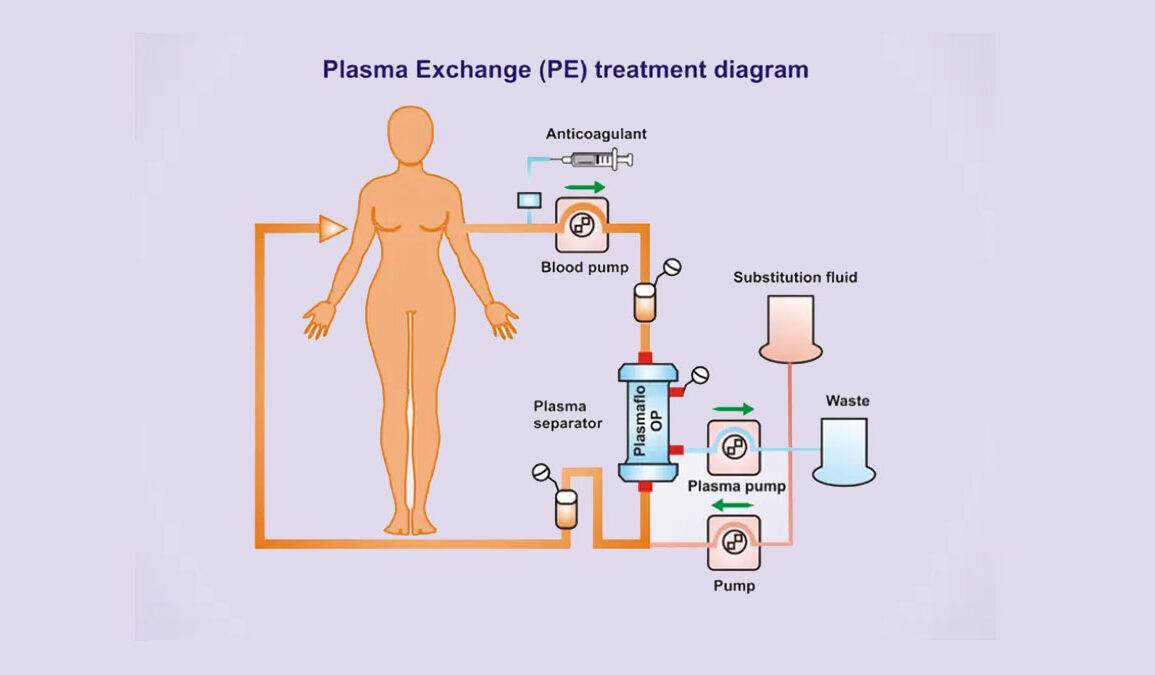
TPE is an FDA-approved medical procedure originally used to treat autoimmune and blood disorders. In simple terms, TPE is like an “oil change” for your blood. The plasma—the liquid portion of your blood—is removed and replaced with a clean fluid made up of saline and albumin. This helps eliminate proteins and other substances linked to chronic inflammation, aging, and degenerative diseases.
But now, scientists are finding that this old procedure may have powerful new applications. Instead of just treating disease, TPE might be able to actually rewind parts of the aging process—at least at the molecular level.
The Breakthrough Study That Changed the Game
The big news comes from a landmark clinical study published in Aging Cell on June 25, 2025. Co-led by Dr. Dobri Kiprov of Global Apheresis and scientists at the Buck Institute for Research on Aging, the study followed 44 adults over age 50 in a double-blind, placebo-controlled trial.
Participants received different treatment regimens: some had TPE every other week, some received TPE combined with intravenous immunoglobulin (IVIG), others got monthly TPE, and one group received a placebo. The most dramatic results came from the TPE-IVIG group. Using state-of-the-art epigenetic clocks, researchers found an average reversal of biological age of up to 2.61 years after just a few treatments. In those with worse health markers at the start, the biological age reversal was even greater.
“These findings confirm what we’ve long observed in clinical practice,” said Dr. Kiprov. “TPE holds meaningful promise as a therapeutic tool in longevity medicine.”
How TPE Rewinds the Biological Clock
What makes this study different is the depth of analysis. Researchers didn’t just look at one or two indicators. They used multi-omics profiling, measuring tens of thousands of biological signals including DNA methylation (epigenetics), inflammation markers, protein changes, glycomic shifts, and immune system behavior.
Participants showed:
- Reduced levels of inflammatory markers like CCL11 and CXCL9
- Restored immune cell profiles to a younger baseline
- Lowered iAge scores (a machine-learning-based inflammatory age predictor)
- Epigenetic rejuvenation on 15 different aging clocks
The result? A body that appears—and behaves—biologically younger, at least on paper.
How Much Does It Cost?
This isn’t a cheap procedure. Depending on the provider, a single TPE session ranges from $5,000 to $10,000, and most clinics offering it for anti-aging purposes are cash-only. Some premium longevity centers like Next Health and Neuroveda Health offer full TPE packages that include IVIG and biomarker monitoring. While the upfront cost is high, many proponents argue that delaying age-related diseases is far more cost-effective over time.
Who Else Is Doing This?
Dr. Paul Savage, a physician and longevity specialist, recently launched his own version of TPE called PlasmaXchange. According to his data, his protocol lowered environmental toxins by up to 95 percent, reduced oxidative stress by 50 percent, and boosted immune function by 40 percent.
Meanwhile, high-profile figures like biohacker Bryan Johnson have ditched controversial treatments like young blood infusions in favor of full plasma exchange therapies. Johnson claims it’s the only intervention that has consistently improved his biomarkers over time.
Why This Matters
Aging isn’t just wrinkles and gray hair. It’s the gradual breakdown of immune defense, tissue repair, and energy metabolism. What makes TPE so compelling is that it appears to target systemic aging—not just one organ or pathway.
Animal studies from scientists like Irina Conboy at UC Berkeley have already shown that removing old plasma in mice improves brain and muscle function. Now, human studies are backing it up. As Dr. Kiprov puts it, “This is the first human study to show measurable changes in biological age following TPE.”
Is It Safe?
Yes, according to the trial data. TPE was well-tolerated, with only mild side effects such as fatigue or bruising. Serious adverse events were rare, and mostly related to IVIG reactions, not the plasma exchange itself.
Still, experts caution that this isn’t something to try on a whim. The frequency and timing of TPE need to be carefully managed to avoid over-stressing the immune system. And it’s not a miracle pill—it’s a medical procedure that should be supervised by qualified professionals.
Future studies will likely focus on combining TPE with other therapies, such as senolytics, NAD+ boosters, or peptide treatments, to see if results can be extended or improved. Researchers are also developing diagnostic tools to identify which patients will benefit most, allowing for more personalized longevity medicine.
If you’re over 50 and serious about turning back the clock, this isn’t science fiction anymore. It’s here. And it works.
HNZ Editor: The poor man’s version of this is to donate plasma. The plasma you provide is replaced with saline solution, and according to the Conboy data, this is just as good. Of course, plasma donation is not as comprehensive, but if you do this several times per month, you should have measurable results – plus they pay you $50 bucks per time. But remember, we are not doctors and do not give medical advice. This is just us reading the data.